


Withida Bihan, an Alibaba shareholder, filed a proposed class action against the company on Thursday, 19 November, alleging it concealed ties to Megaspeed. She is seeking damages for investors who held Alibaba shares listed in the United States between May 23, 2024 and November 11, 2026.
The case, filed in federal court in Manhattan, names Alibaba’s chief executive, Eddie Wu, as a defendant. Megaspeed is a Singapore company that rents computing capacity based on Nvidia chips in data centres in Southeast Asia.
Bihan’s lawsuit says Alibaba played down in its annual reports for 2024, 2025 and 2026 the risk that actual or suspected export-control breaches could harm its business. The shareholders allege that this inflated Alibaba’s stock price.
The case has implications beyond China’s market. Reuters reported on November 12 that the scandal could prompt Washington to impose tighter limits on Chinese artificial intelligence companies using advanced processors remotely.
Shareholders say Alibaba’s stock fell 14% over four days last week after reports revealed links between the company, Megaspeed and Alice Huang, Megaspeed’s former managing director.
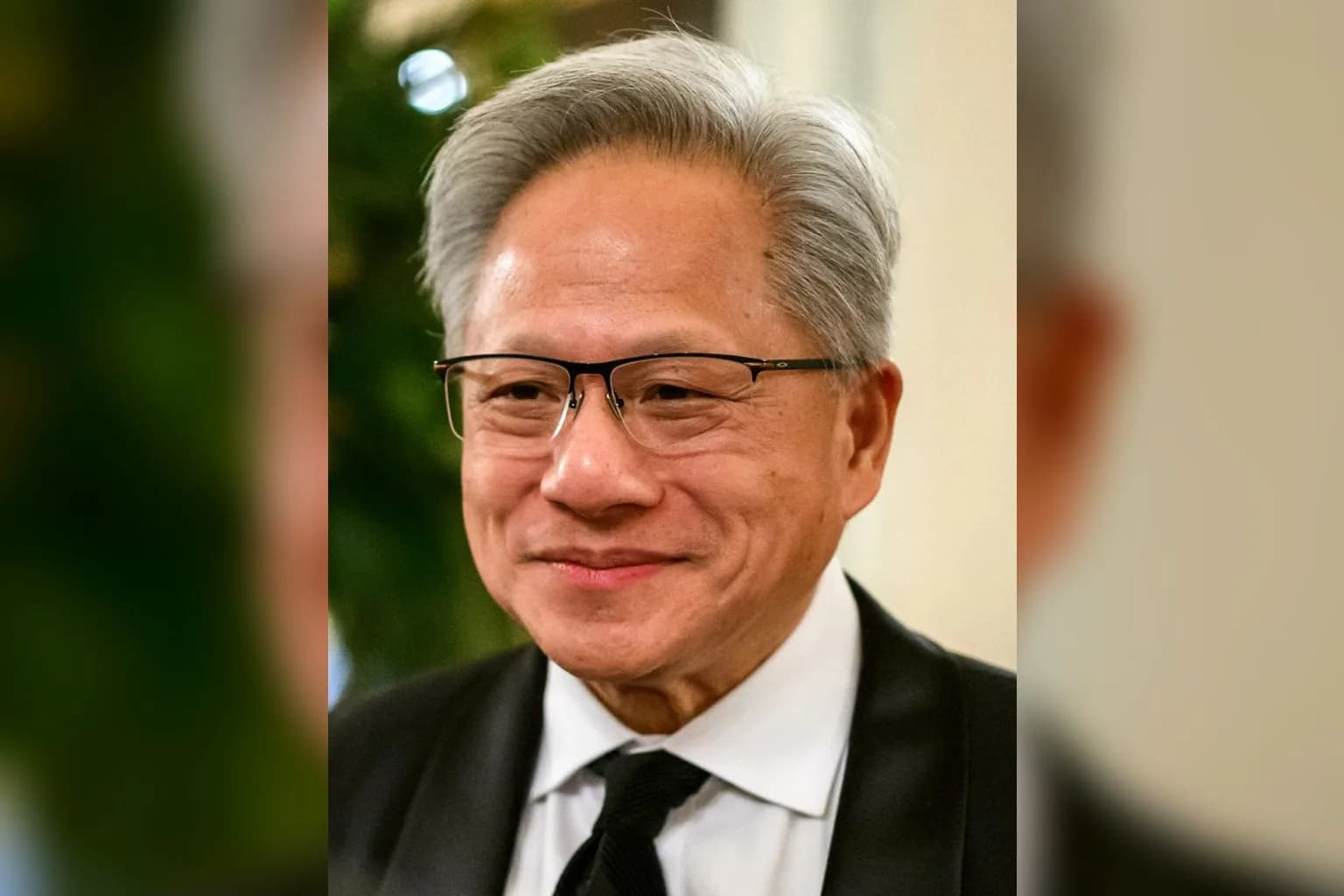
Alice Huang had no family relationship with Jensen Huang, who resigned as Nvidia’s chief executive last week. Public reports identified their relationship as a factor in his resignation, while the US House Select Committee on China described Alice Huang as a “Chinese intelligence asset”.
Megaspeed said on November 15 that Alice Huang had left the company in August 2025. It denied wrongdoing, saying it conducts ‘legitimate and lawful business’.
The business relationship at issue dates to 2022, when Nvidia’s sales team introduced Alibaba to Alice Huang, according to an 18 November report by The Information that cited anonymous sources. Shareholders say Alibaba subsequently became Megaspeed’s ‘dominant’ customer.
Megaspeed’s assets rose from USD 33 million at the end of 2023 to USD 3,000 million at the end of 2024. Singapore began investigating Megaspeed and other companies in February 2025 over possible false statements in server purchases.
Wu said on Thursday that Alibaba still aims for $100 billion in external cloud revenue and a 20% EBITDA margin by 2030. He said US limits on access to computing power could affect the company’s products and services next year.
Alibaba has separately challenged US national-security measures. In June, it sued the US government after the Department of Defense added it to a blacklist of ‘Chinese military companies’ linked to China’s military.
Last month, a federal judge in California granted Alibaba an injunction preventing the US government from denying Pentagon contracts to companies whose lobbyists also work with designated Chinese military companies.



Comments (0)