Science

The Chemistry That Wouldn’t Let Go

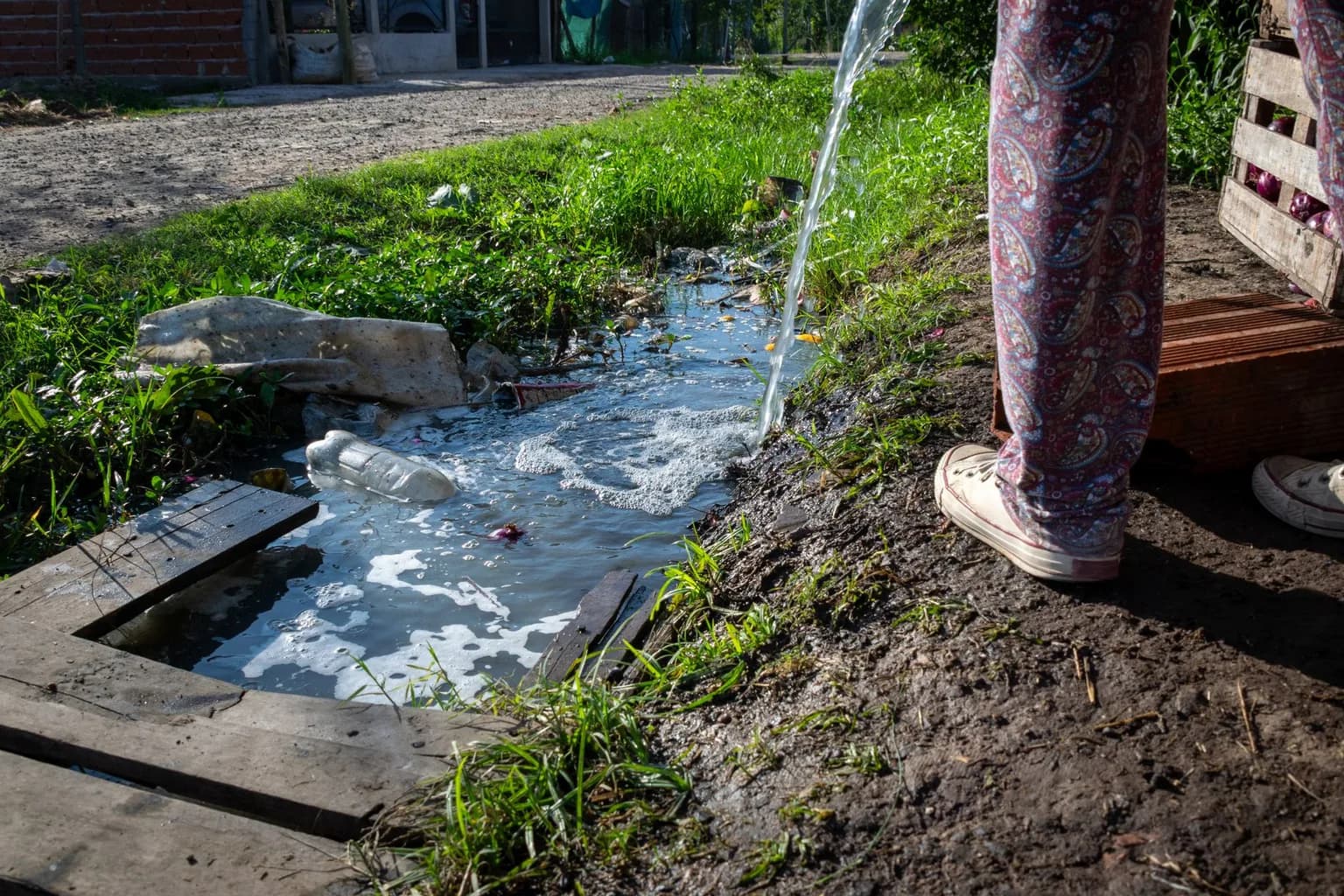
PFAS began as a remarkable industrial solution to heat, water and friction, then carried their defining strength far beyond the products they were made to improve.
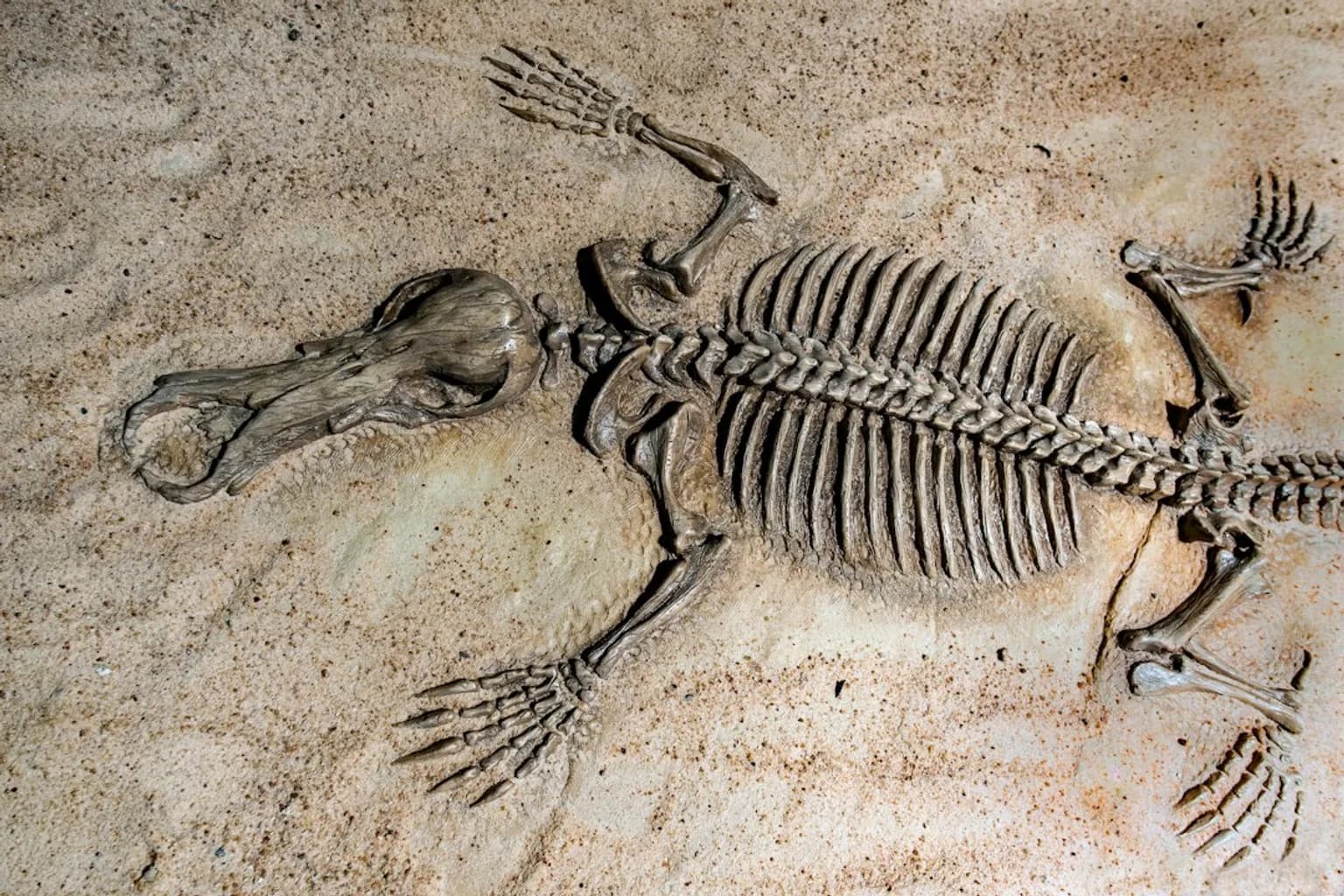
Scientists find what may be red blood cells in a 115-million-year-old dinosaur bone

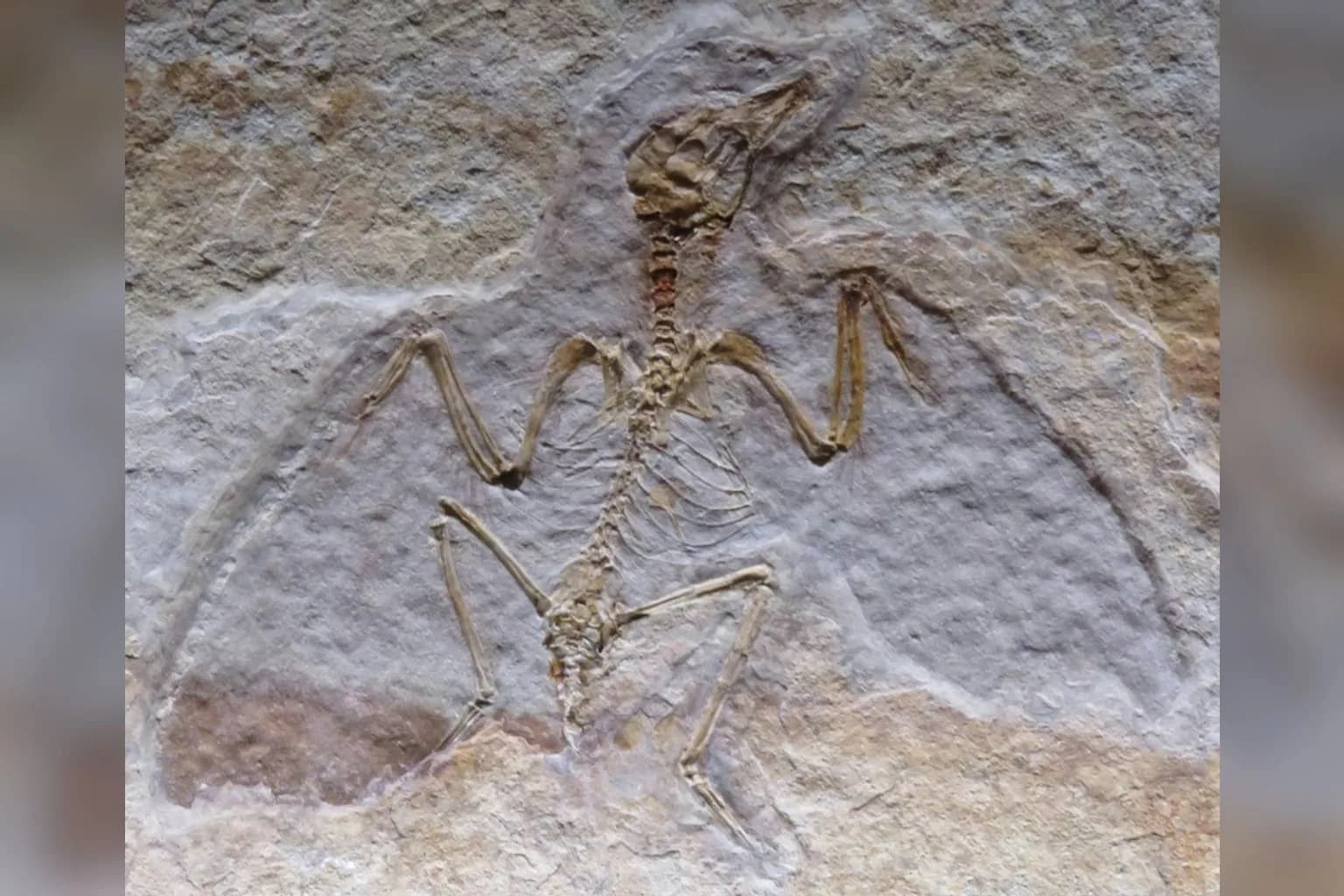
A team at Curtin University says mineralised cell-like structures in an Aratasaurus leg bone carried heme-derived molecules and collagen amino acids — the first time such chemistry has been linked to fossil blood cells in place. Not everyone is convinced: one leading palaeontologist says the concave structures lack the nuclear bulge a dinosaur red blood cell should show.

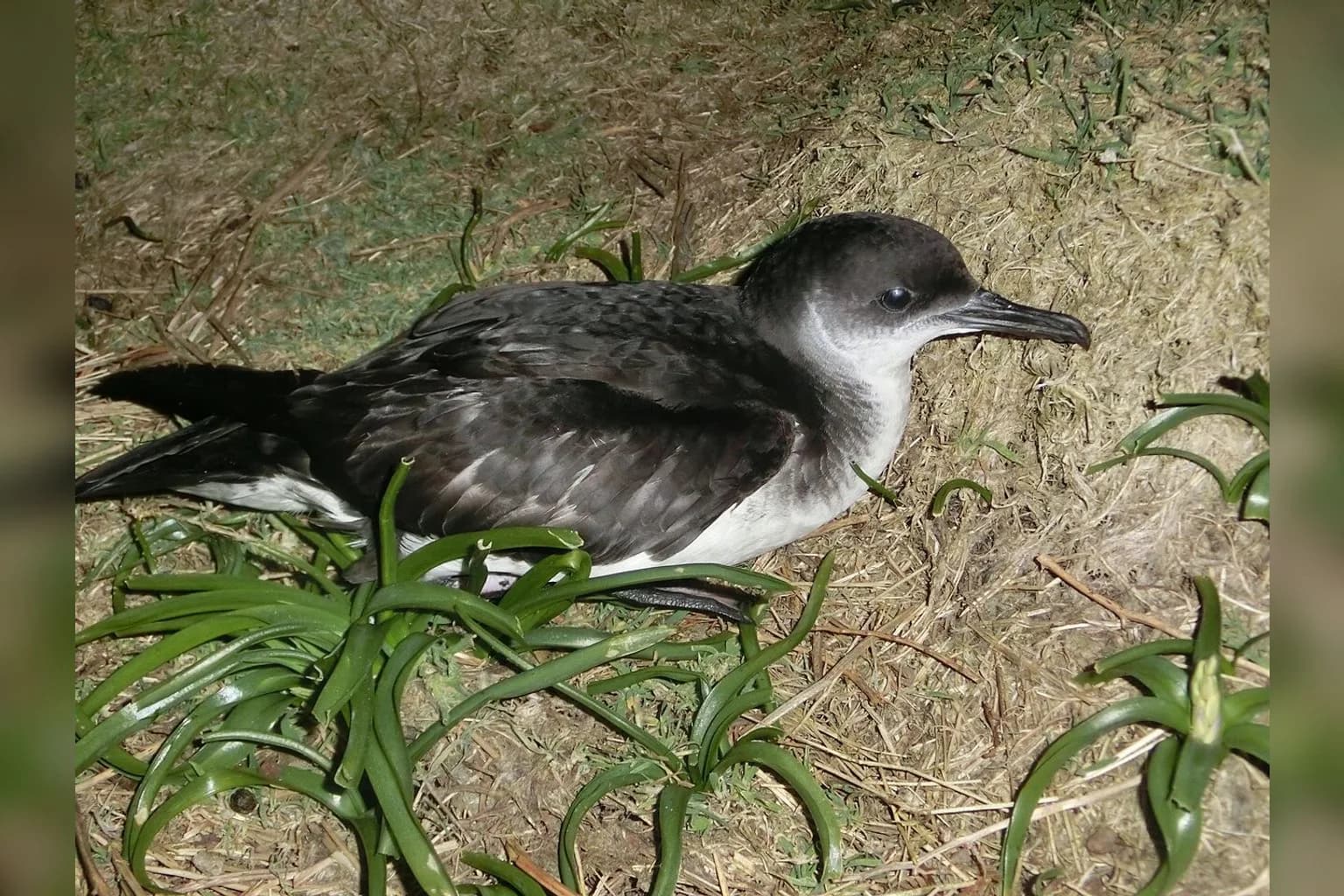
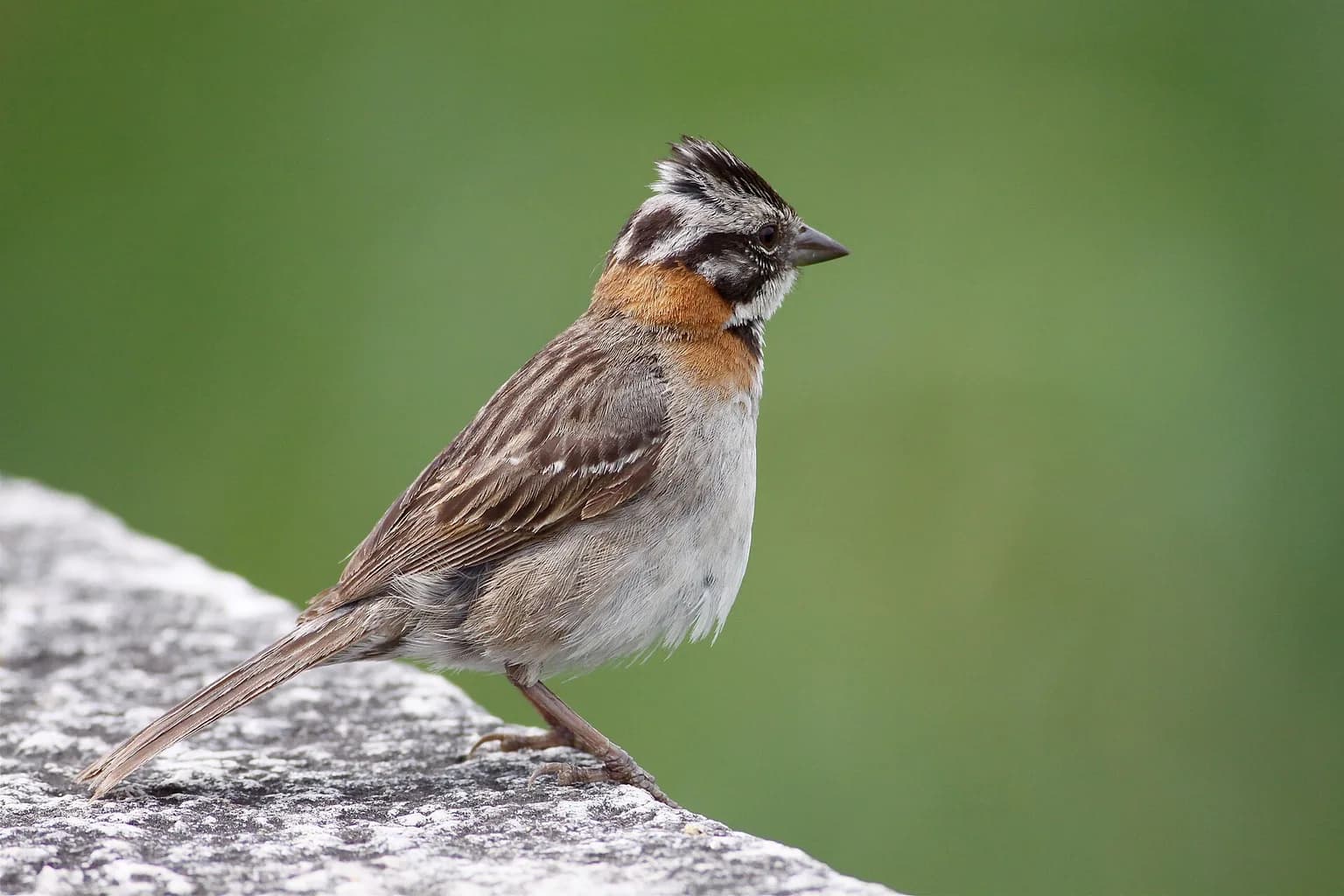
Jet lag can throw Manx shearwaters off course on Atlantic crossings

An Oxford study of 20 years of GPS data found that rapid eastward flights leave the birds' internal clocks up to an hour behind local solar time. Because they navigate by the sun, the mismatch can push them as much as 15 degrees off course — a particular danger for first-time foragers.

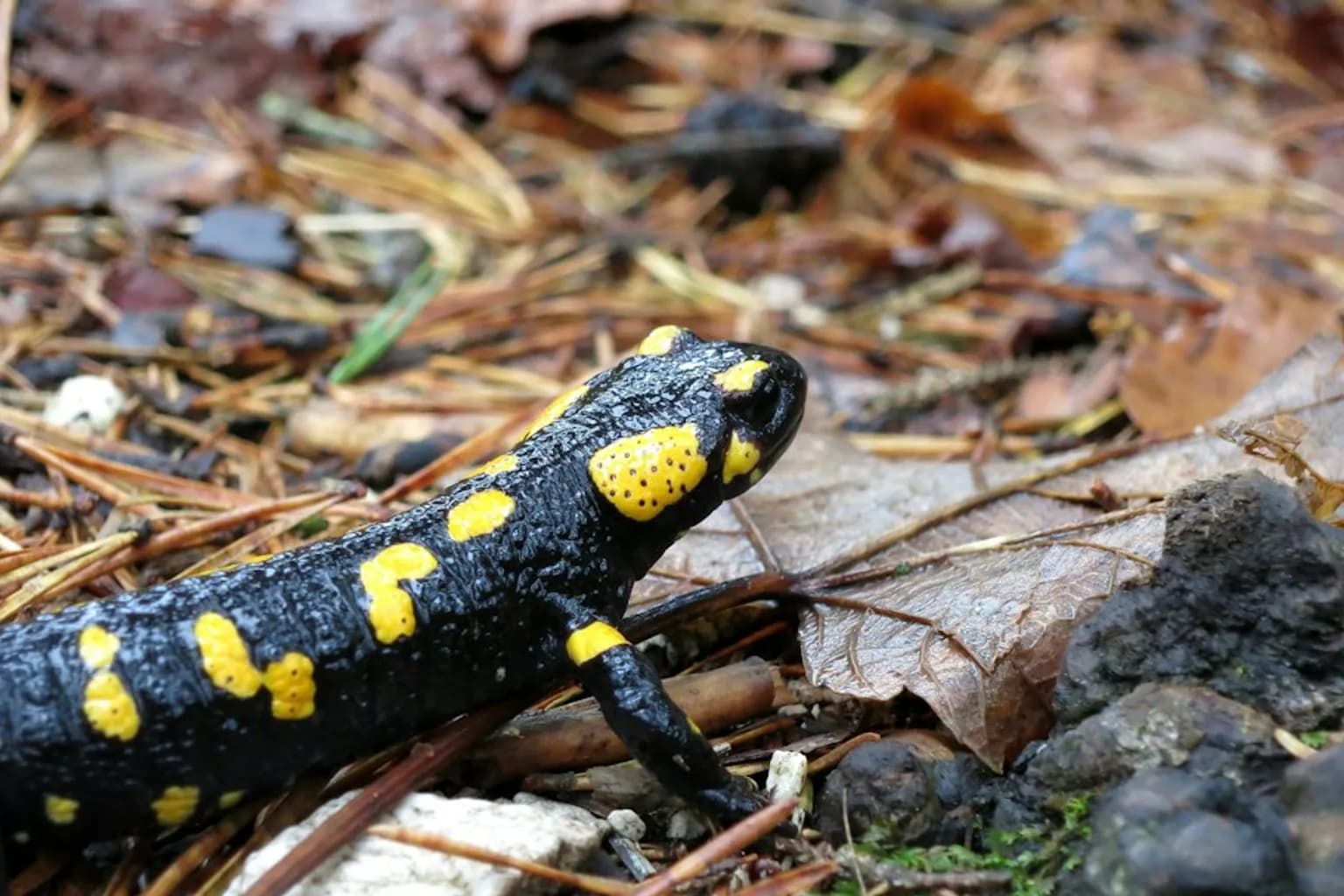
Fire salamanders glow green and cyan under ultraviolet light

The fluorescence comes mainly from the animals' skin glands and their secretions, which can stay lit for more than 24 hours after leaving the body. Researchers think the glow may help the salamanders recognise each other or make their warning colours more visible to predators.

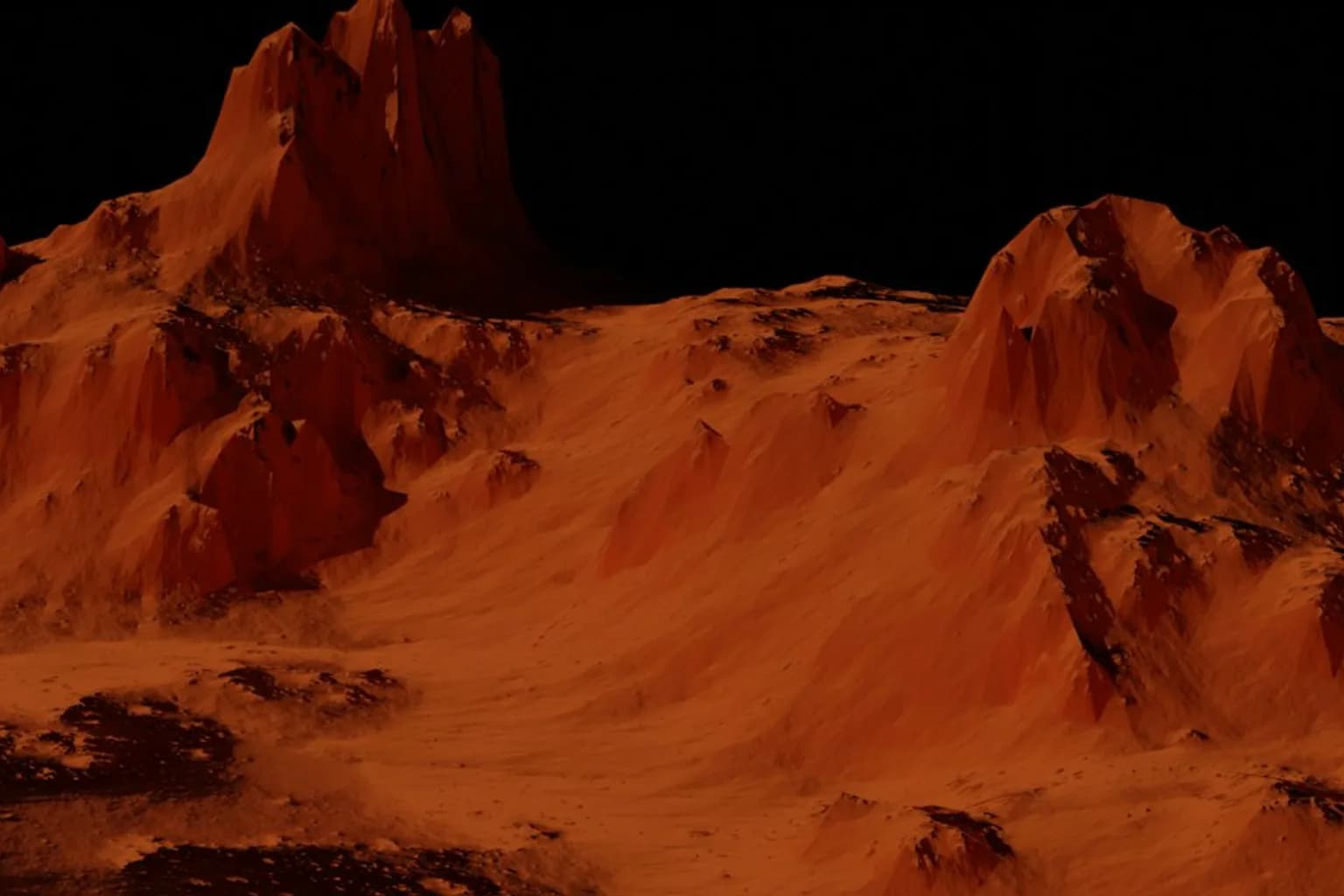
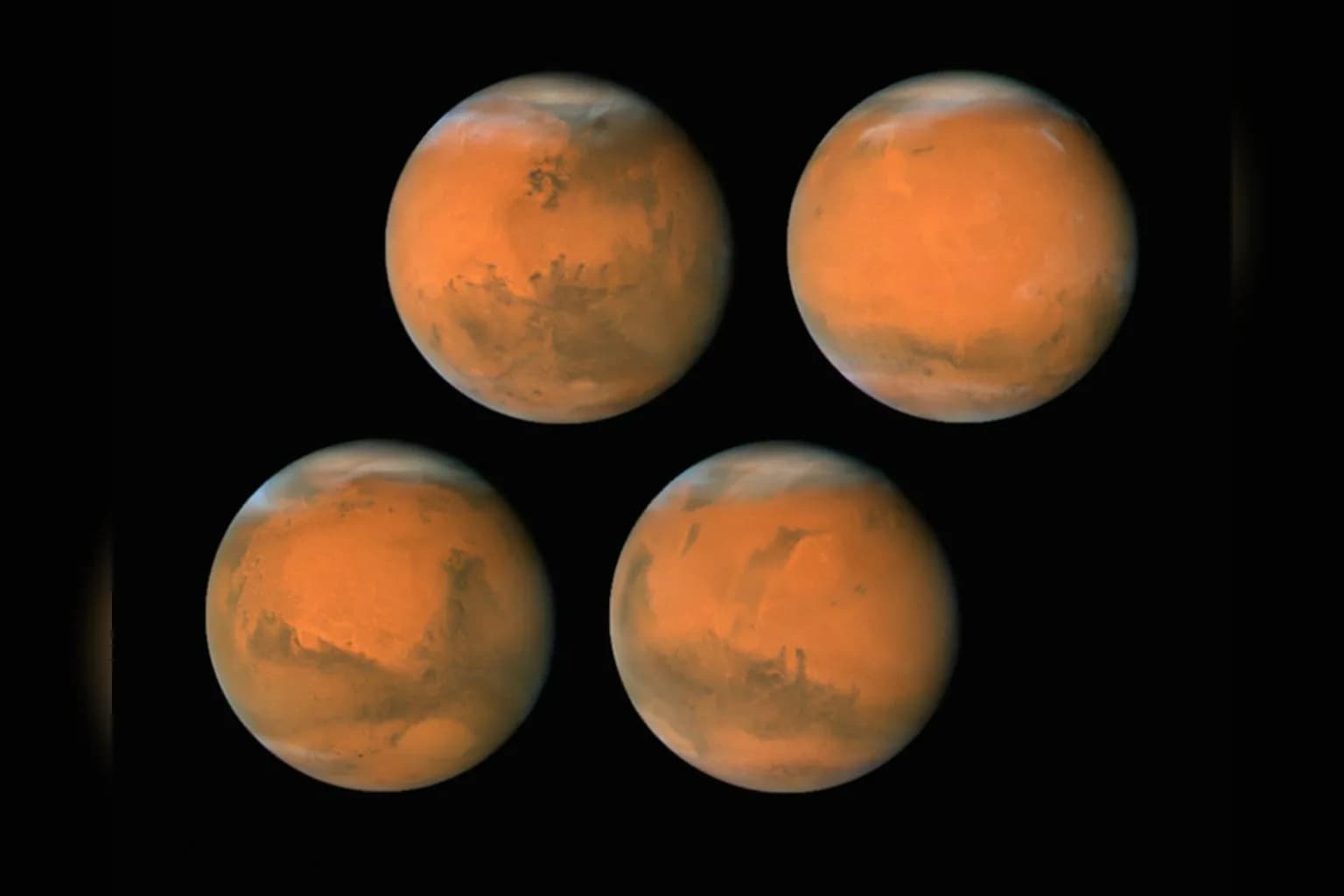
Scientists crack how a 1,800-kilometre cloud forms each morning on Mars

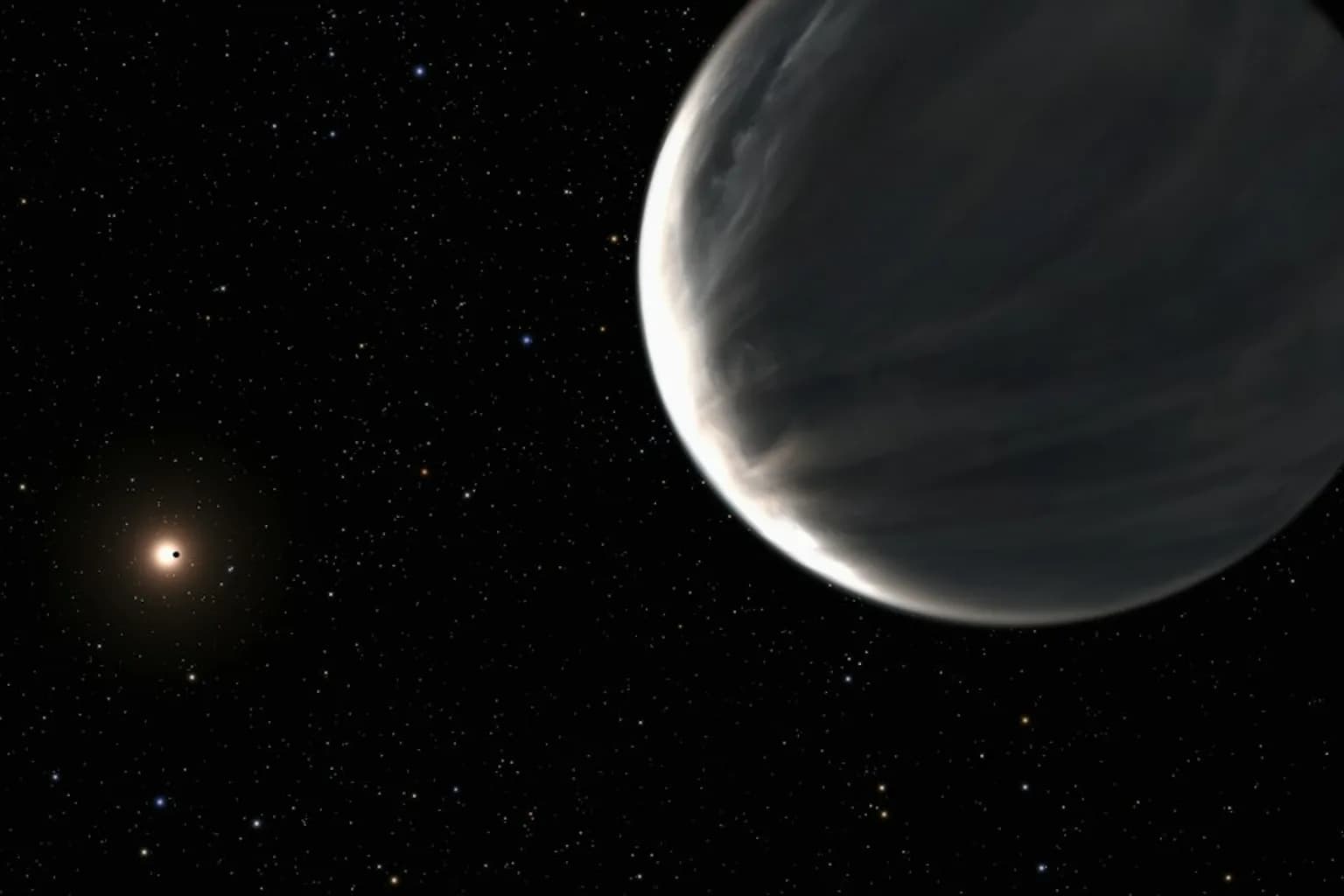
The cloud appears daily near the Arsia Mons volcano, racing westward for two and a half hours before fading. A new model found the key: water vapour freezing directly into ice crystals without any dust particles — a process that requires humidity more than 100,000 times greater than anything measured on Earth.

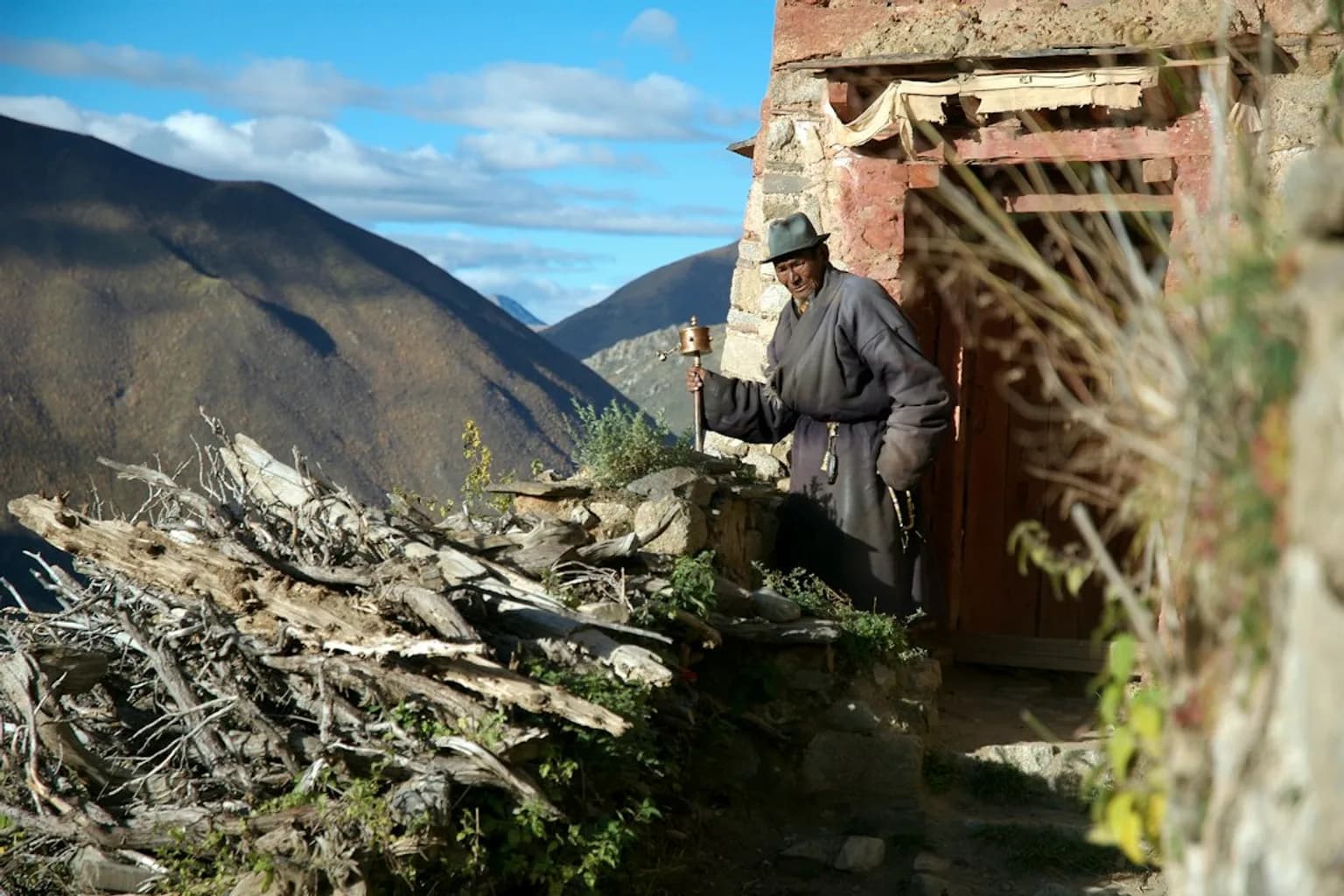
Magnitude 7.0 earthquake kills at least 16 in Tibet

The quake struck Baqen county at 10:33pm local time, collapsing at least 339 homes and cutting power and communications. Snow is forecast across the affected area over the next three days, hampering a rescue operation involving more than 1,600 personnel.

The wildlife photos that never left the enclosure

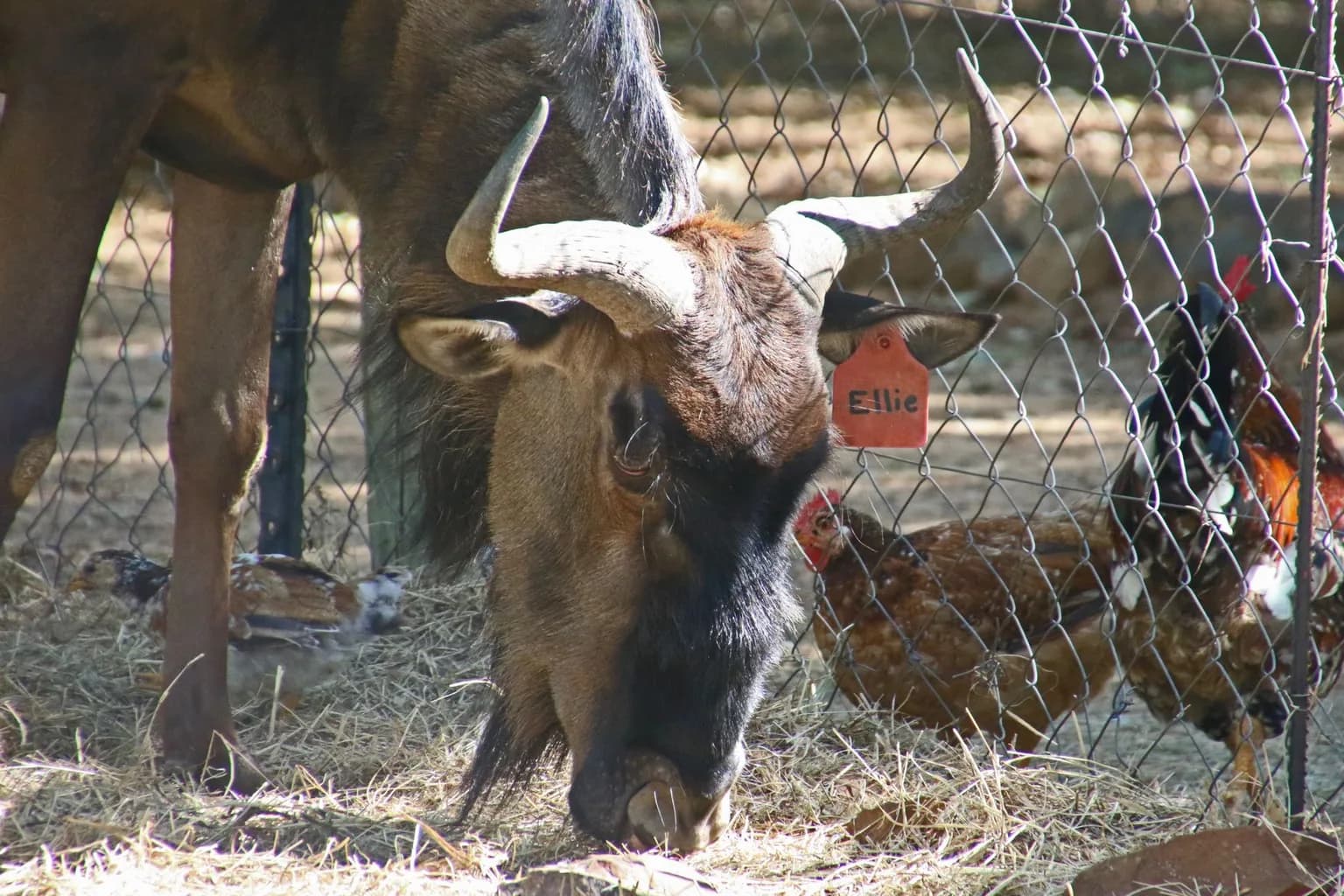
Photography game farms keep wild animals in captivity so photographers can sell the results as wildlife images. Critics say the practice misleads audiences — but disclosure rules remain patchy and hard to enforce.

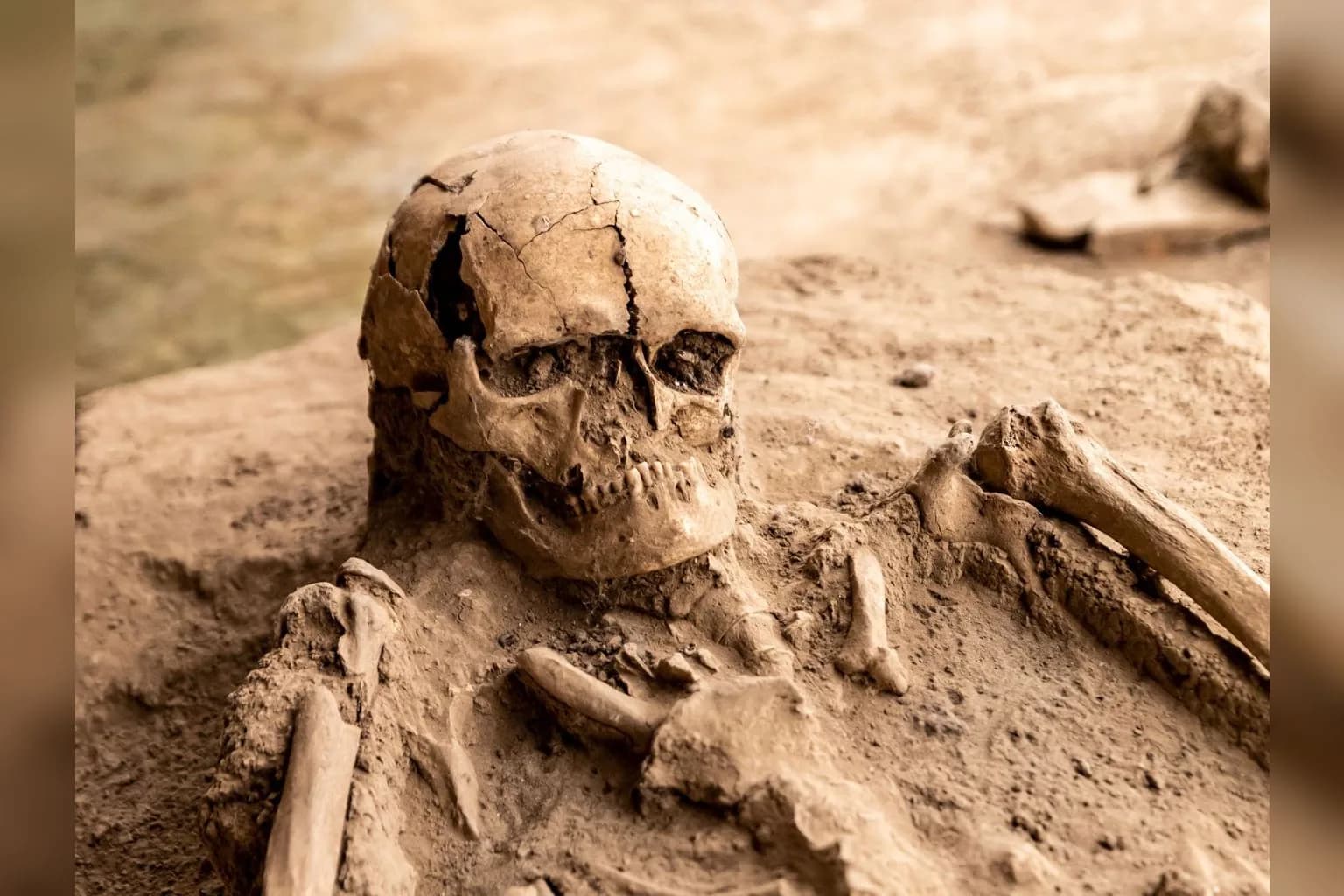
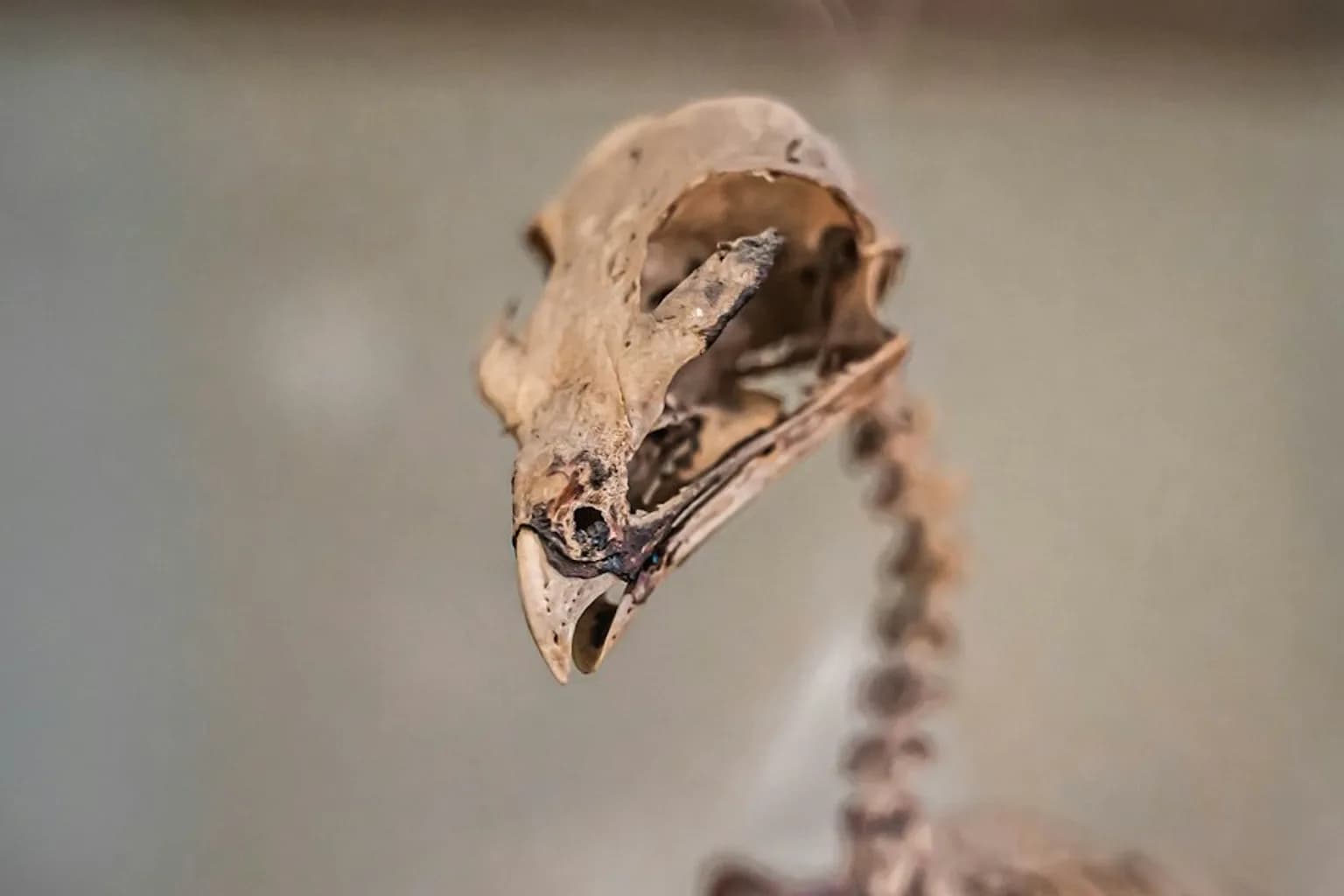
Neanderthal's chest wound points to a spear attack 75,000 years ago

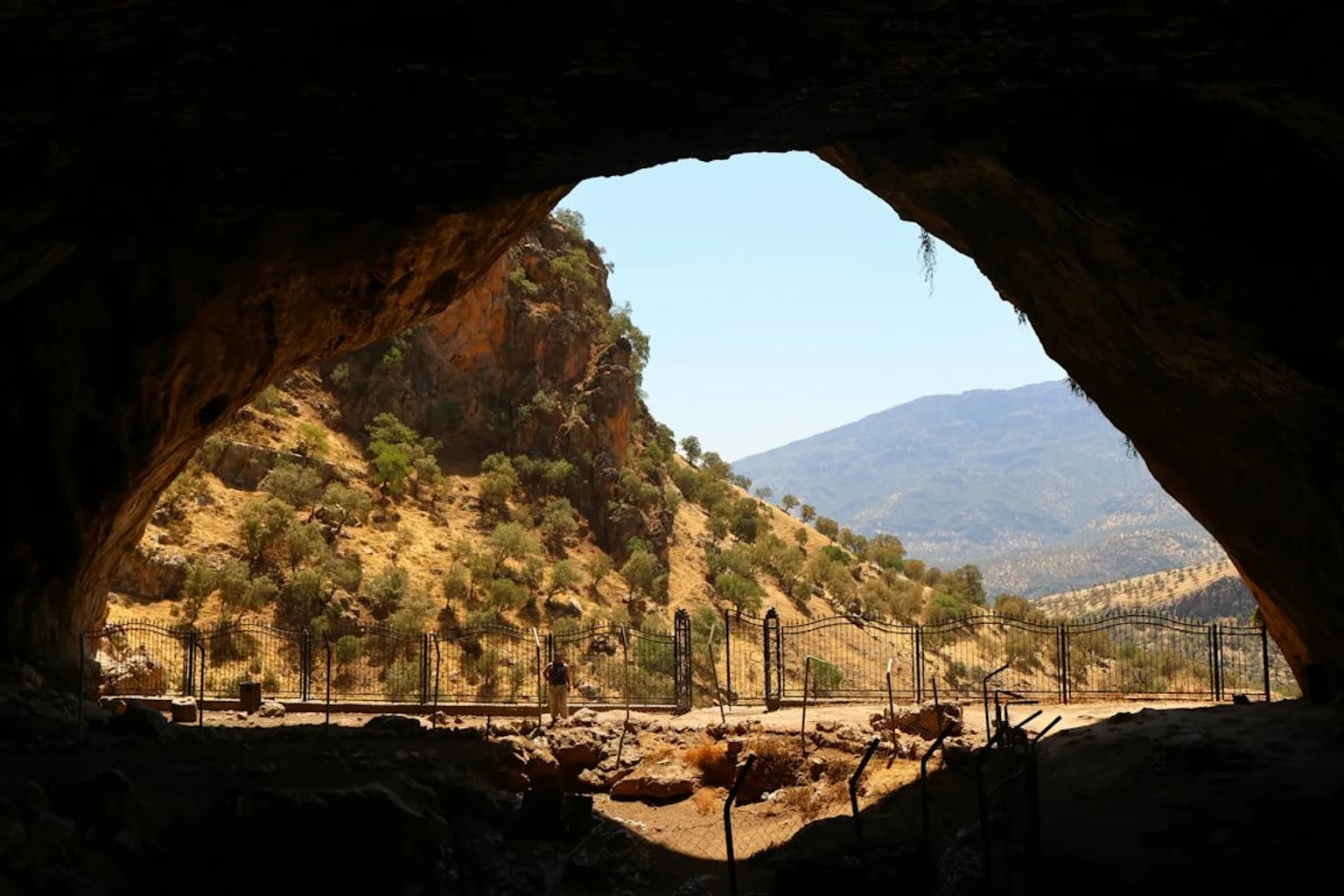
A skeleton from Shanidar Cave in northern Iraq shows a Neanderthal who survived devastating facial injuries was later killed when a wooden spear was driven through the chest. Researchers say the wound's direction and force suggest an intended strike, though whether it was homicide or a hunting accident remains unknown.

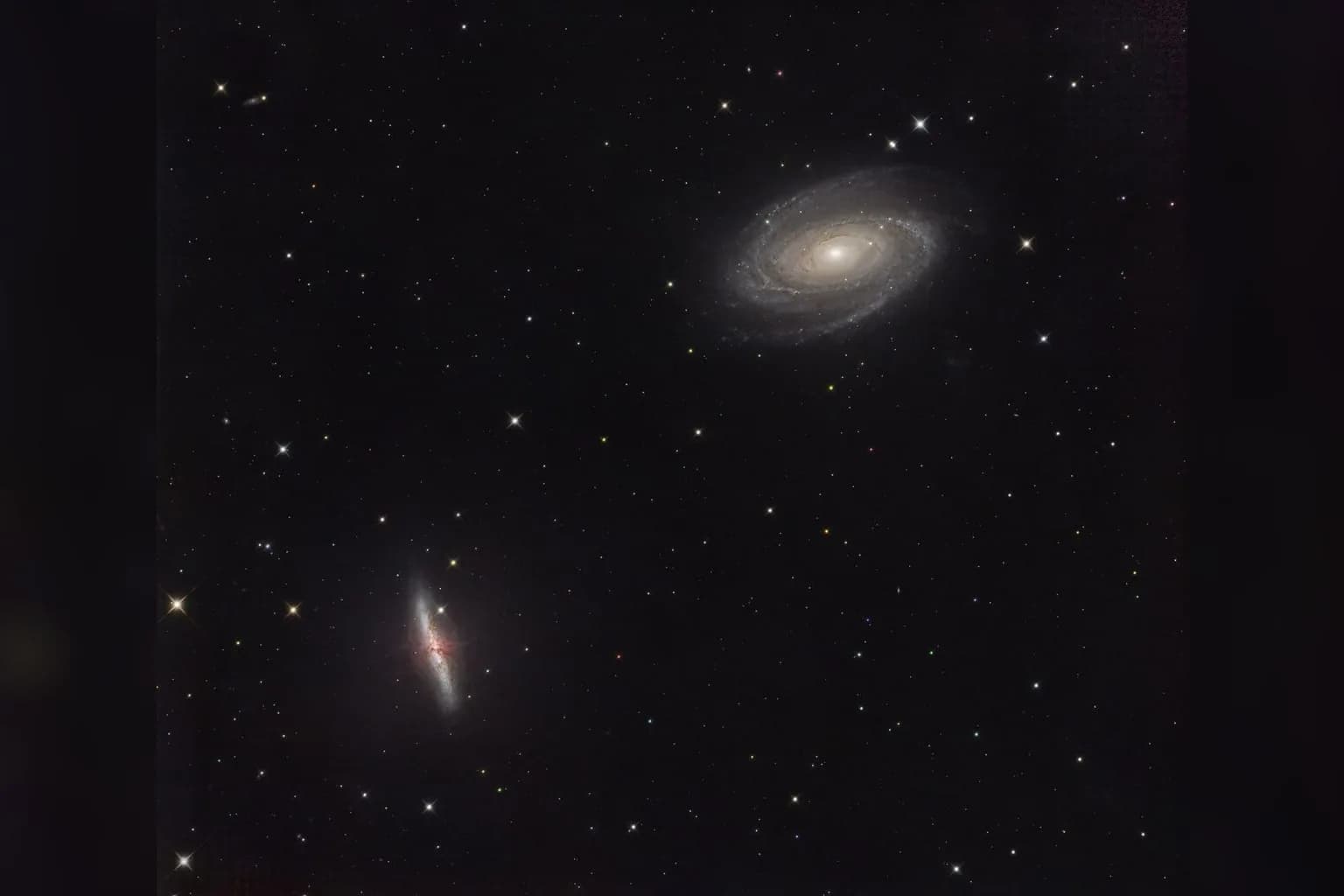
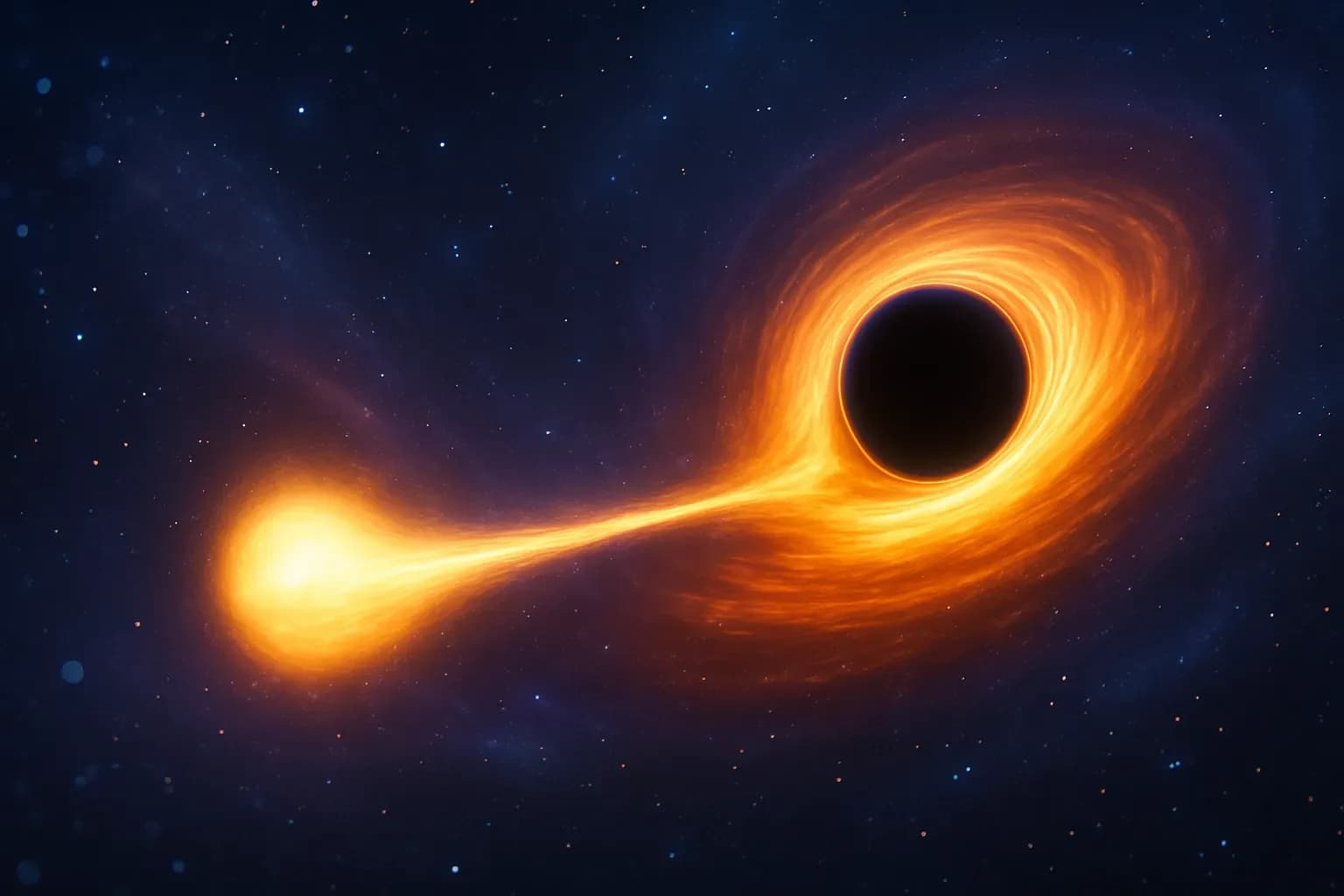
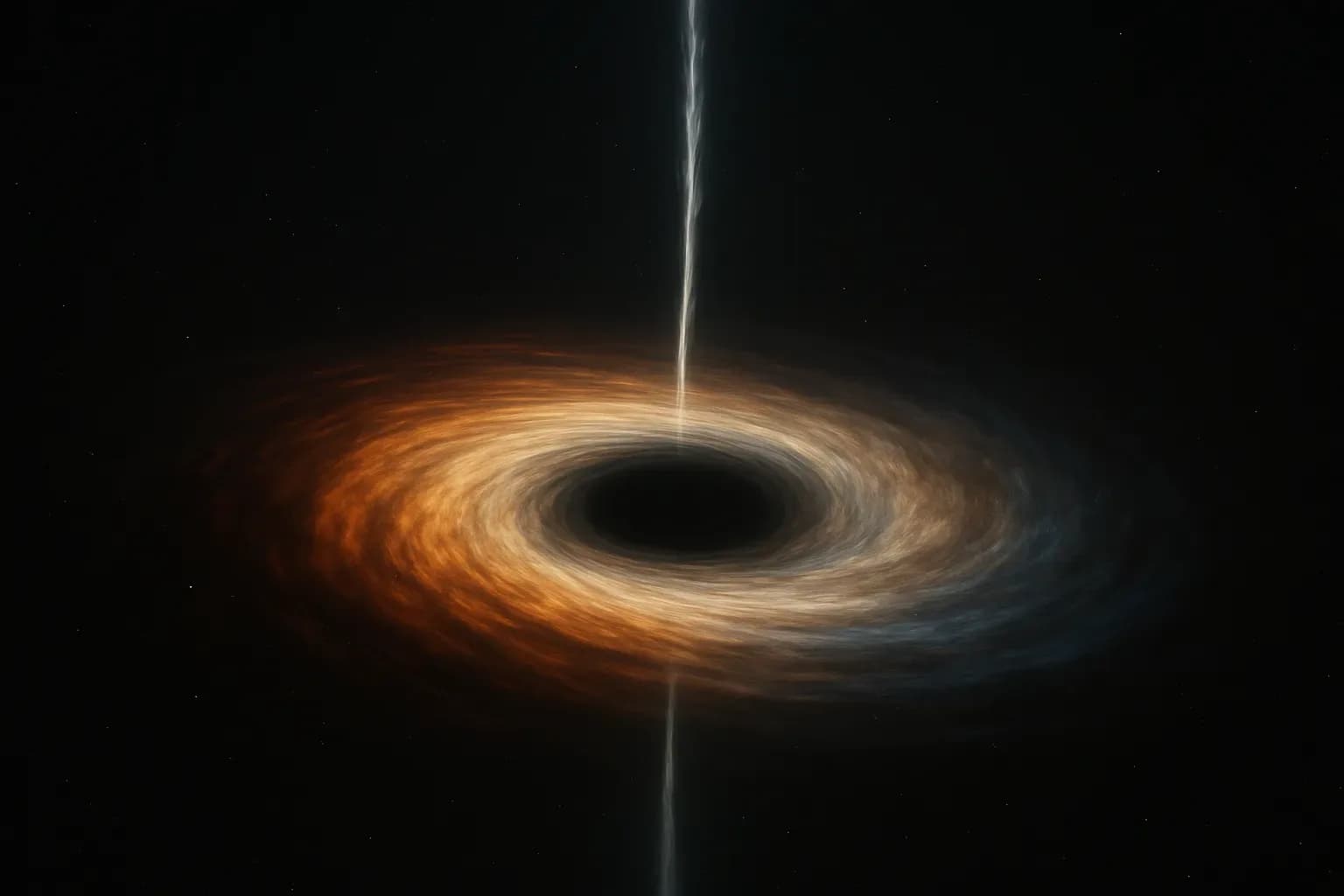
Black holes of all sizes fire jets at the same two per cent feeding threshold

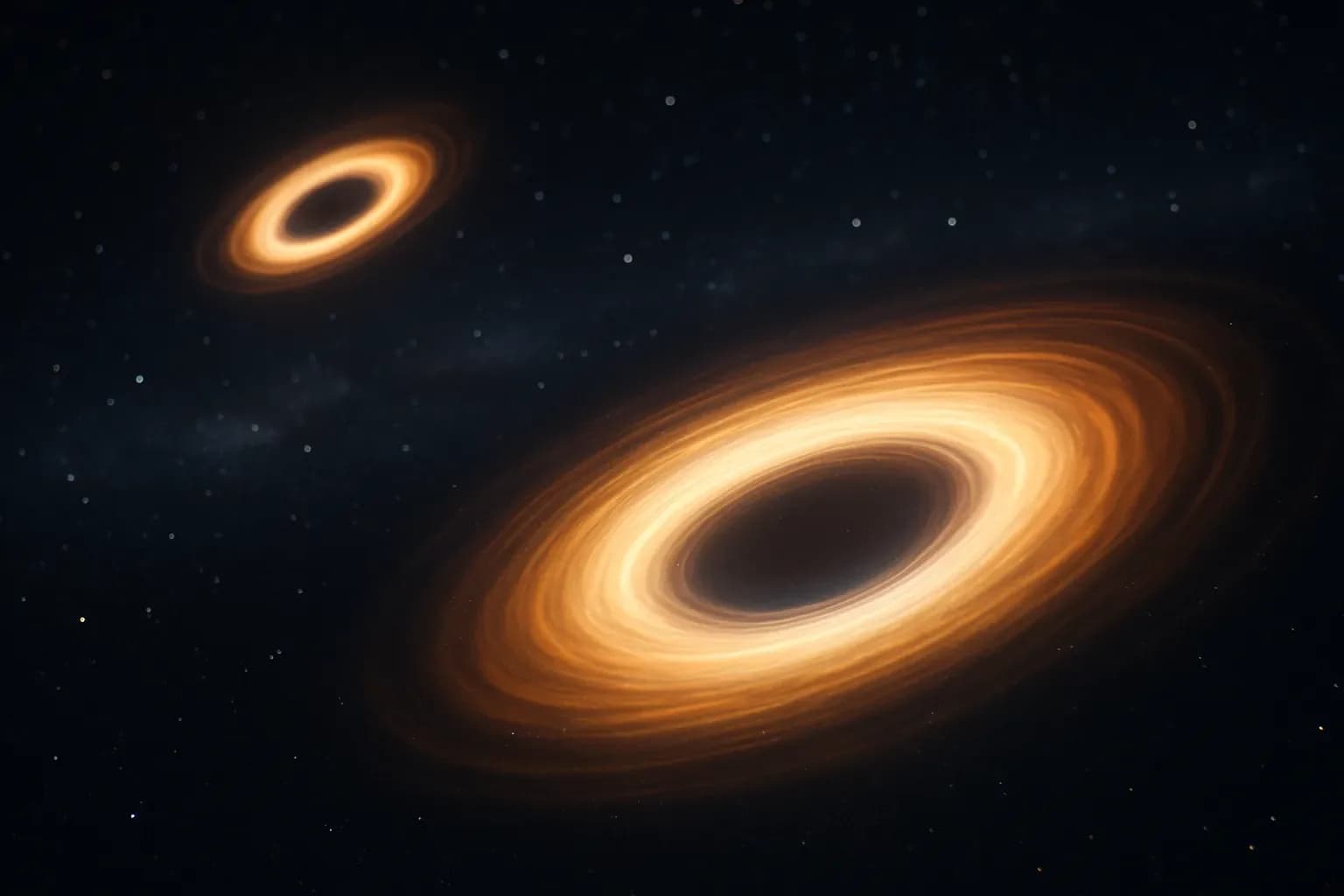
A study of ten tidal disruption events found that supermassive black holes launch their later jets when their feeding rate falls to about two per cent of the Eddington limit. The same threshold already governs jet formation in much smaller black holes, suggesting the relationship holds across seven orders of magnitude in mass.

Ancient rocks reveal how recycled phosphorus kept early Earth's oxygen rising

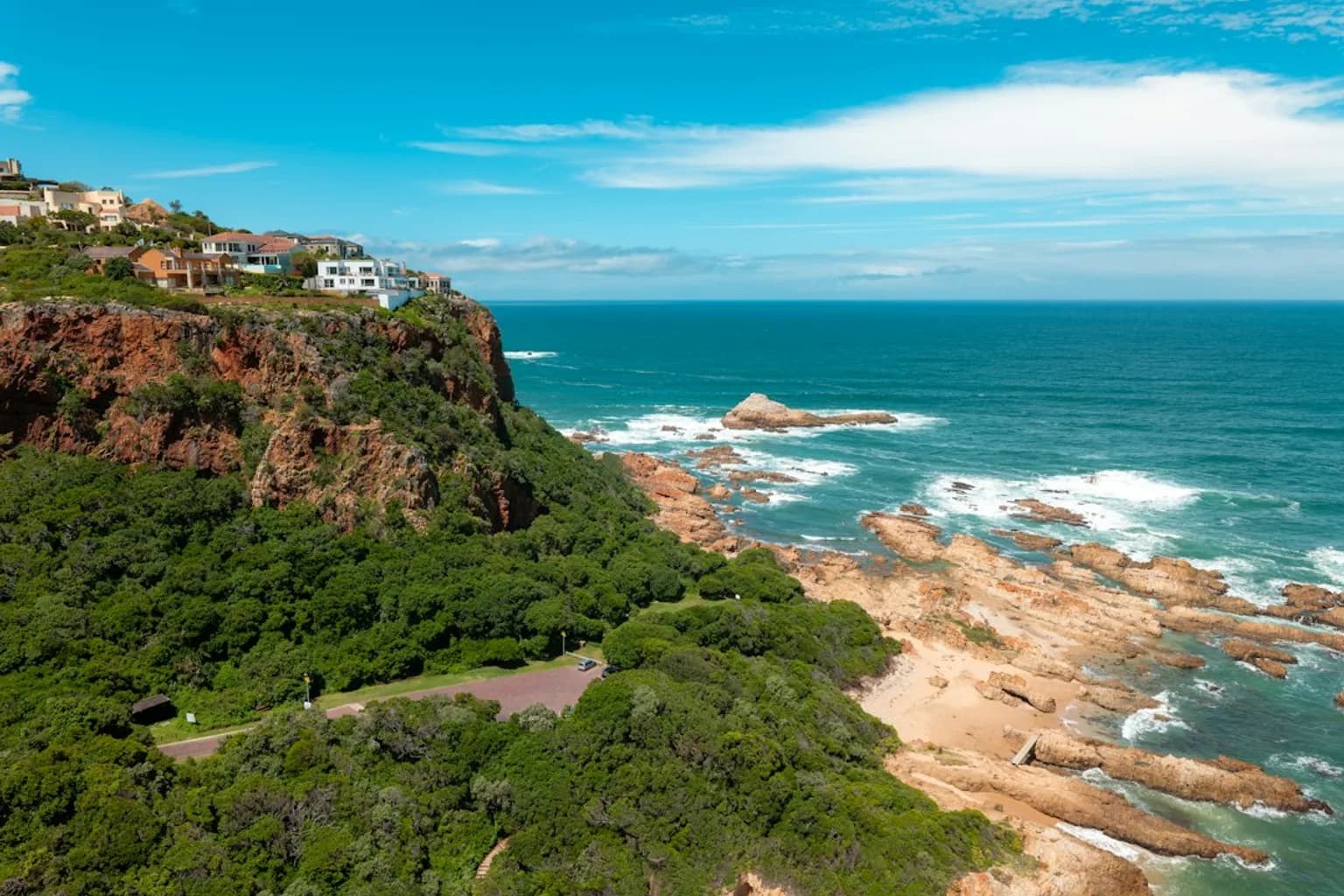
A study of 2.32-billion-year-old South African rocks suggests oxygen entering early oceans triggered a feedback loop: it raised sulfate levels, microbes released phosphorus, and greater phosphorus fuelled the carbon burial that let oxygen keep building. The findings suggest oxygen swung far more dramatically after the Great Oxidation Event than scientists had thought.

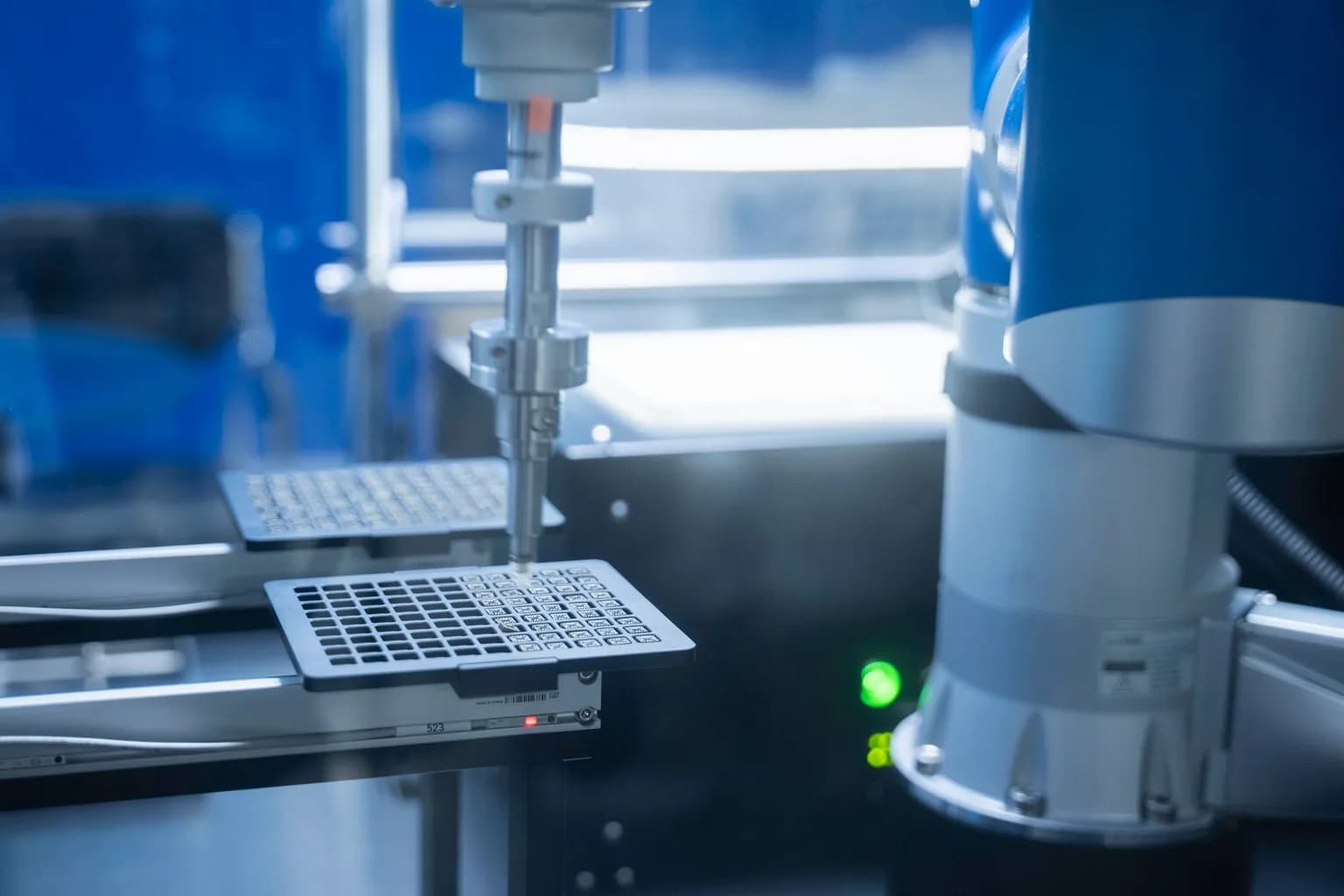
A single-atom tweak makes a plastic-eating enzyme twice as fast

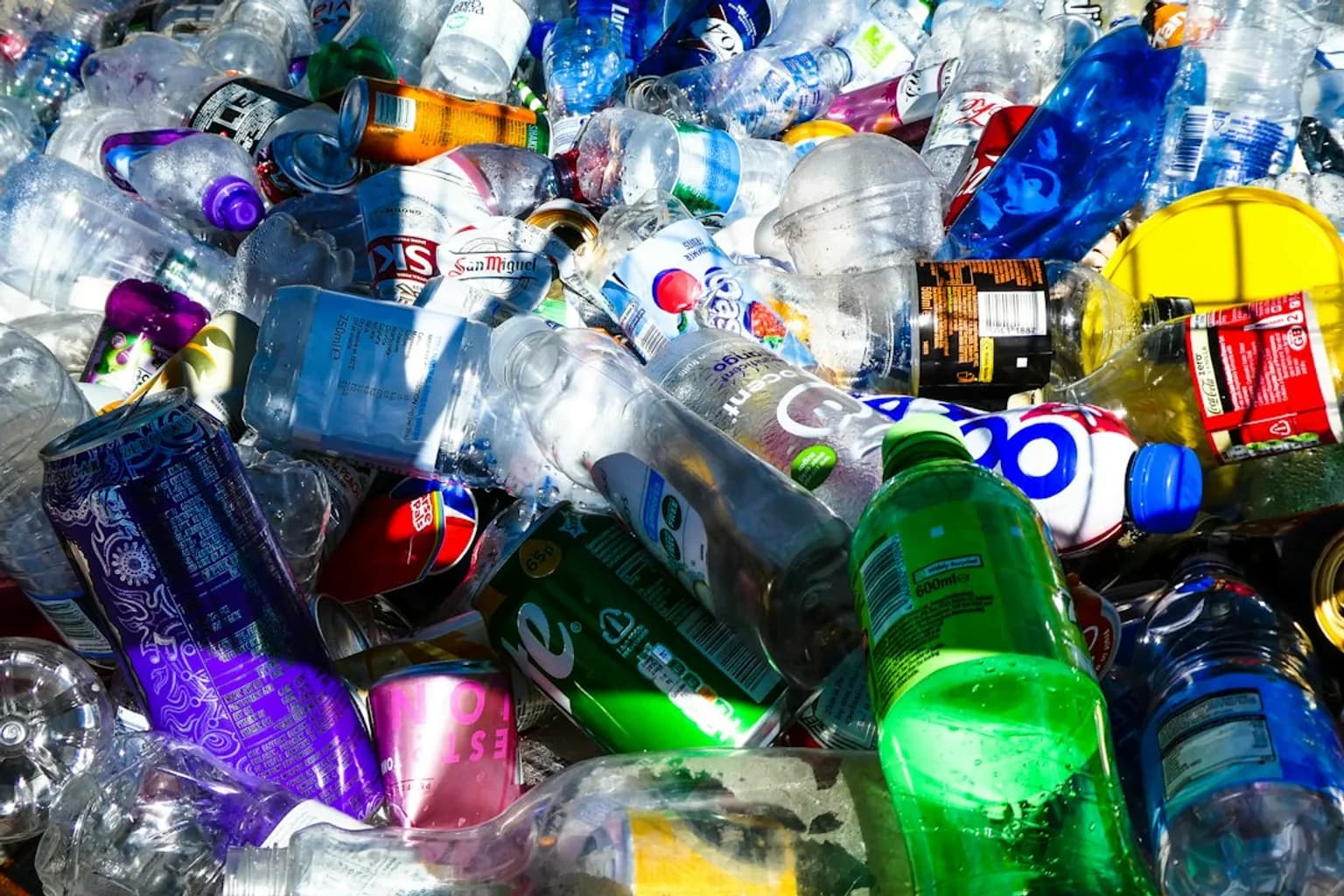
Researchers at the Australian National University swapped one atom in a PET-degrading enzyme and halved the time it takes to break down plastic bottle material — without sacrificing heat resistance. Separately, DeepMind has designed enzymes from scratch, including one that produces a key industrial chemical at 99 times the rate of the existing method.