Space

Missions, planets, the cosmos

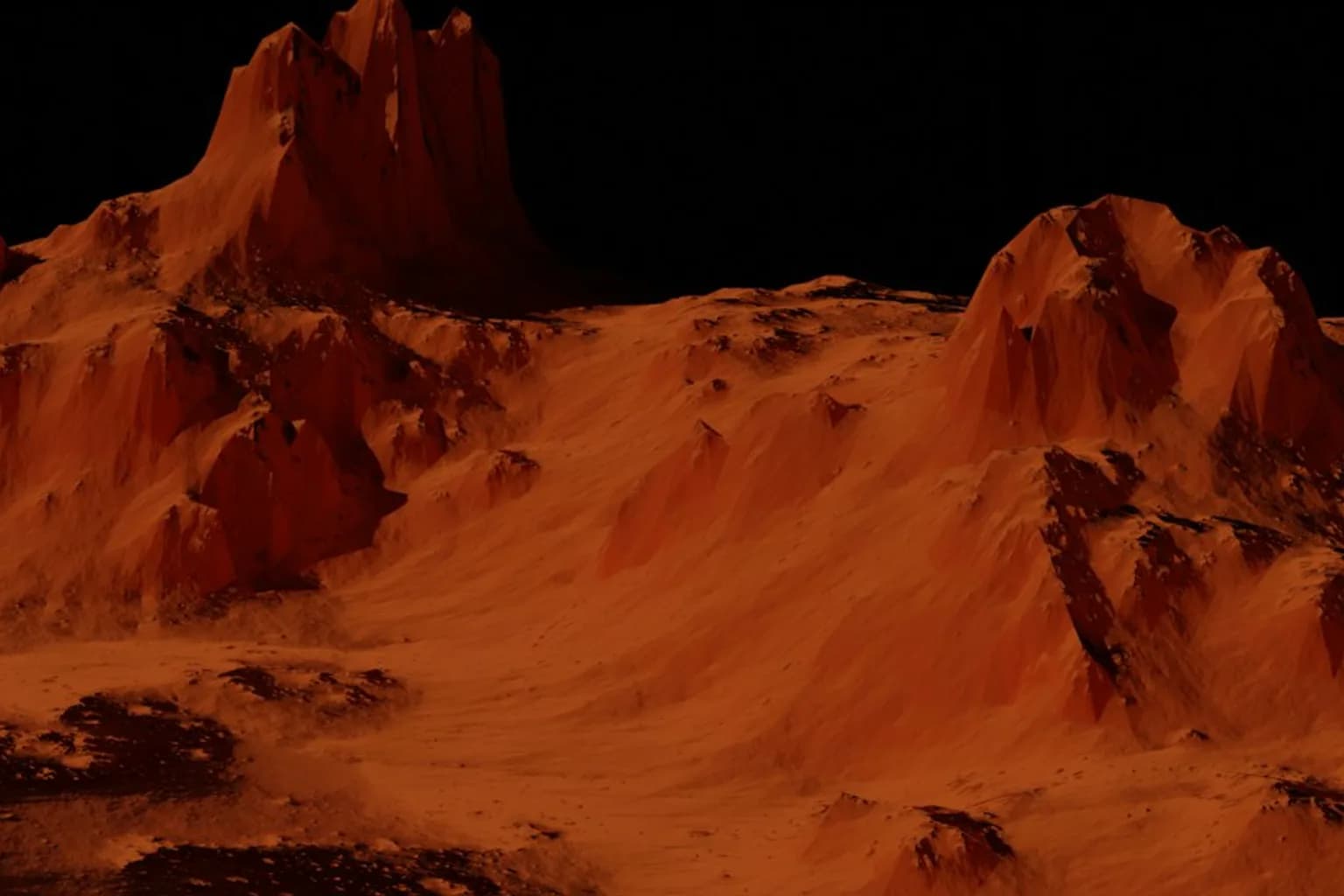
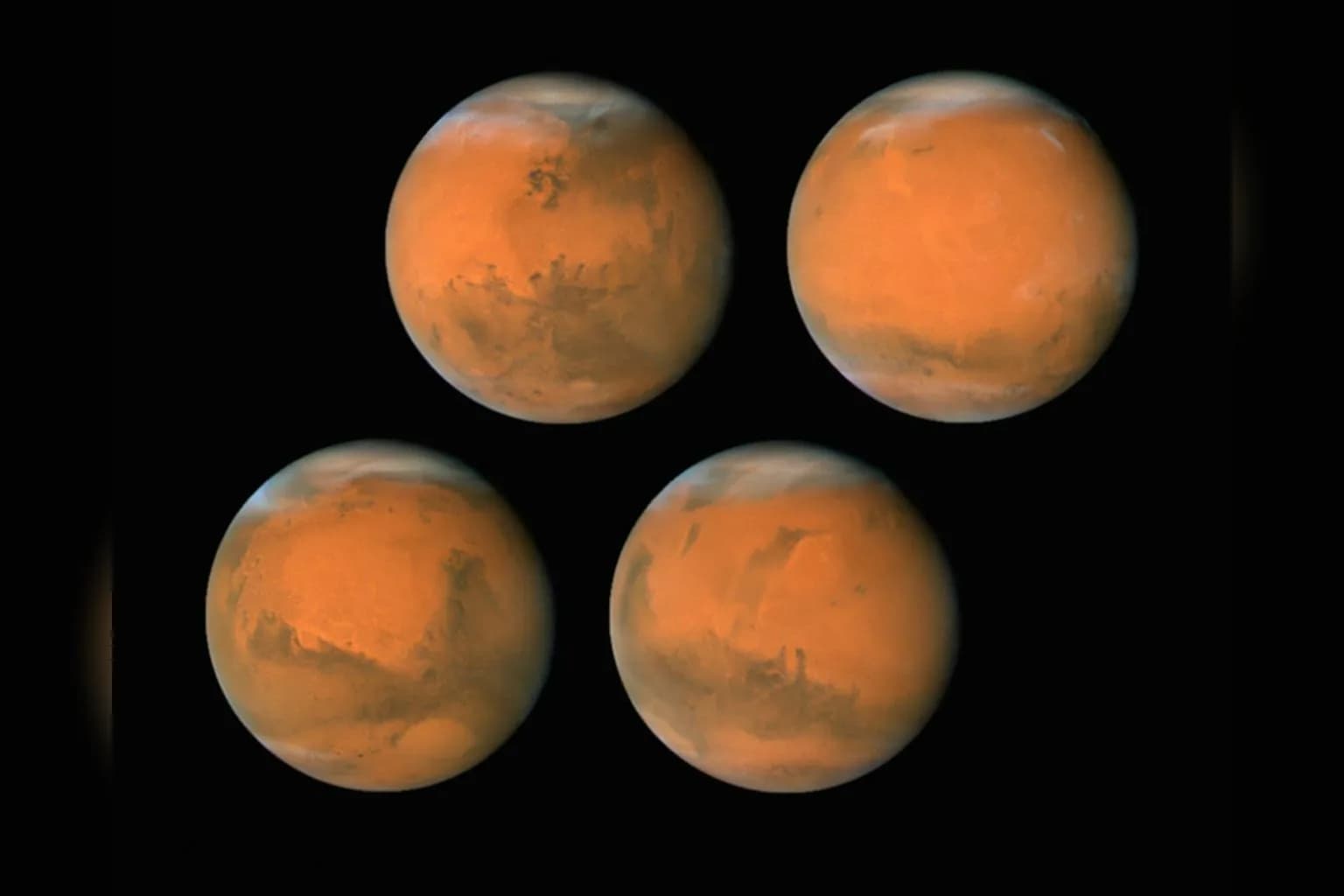
Scientists crack how a 1,800-kilometre cloud forms each morning on Mars

The cloud appears daily near the Arsia Mons volcano, racing westward for two and a half hours before fading. A new model found the key: water vapour freezing directly into ice crystals without any dust particles — a process that requires humidity more than 100,000 times greater than anything measured on Earth.

Black holes of all sizes fire jets at the same two per cent feeding threshold

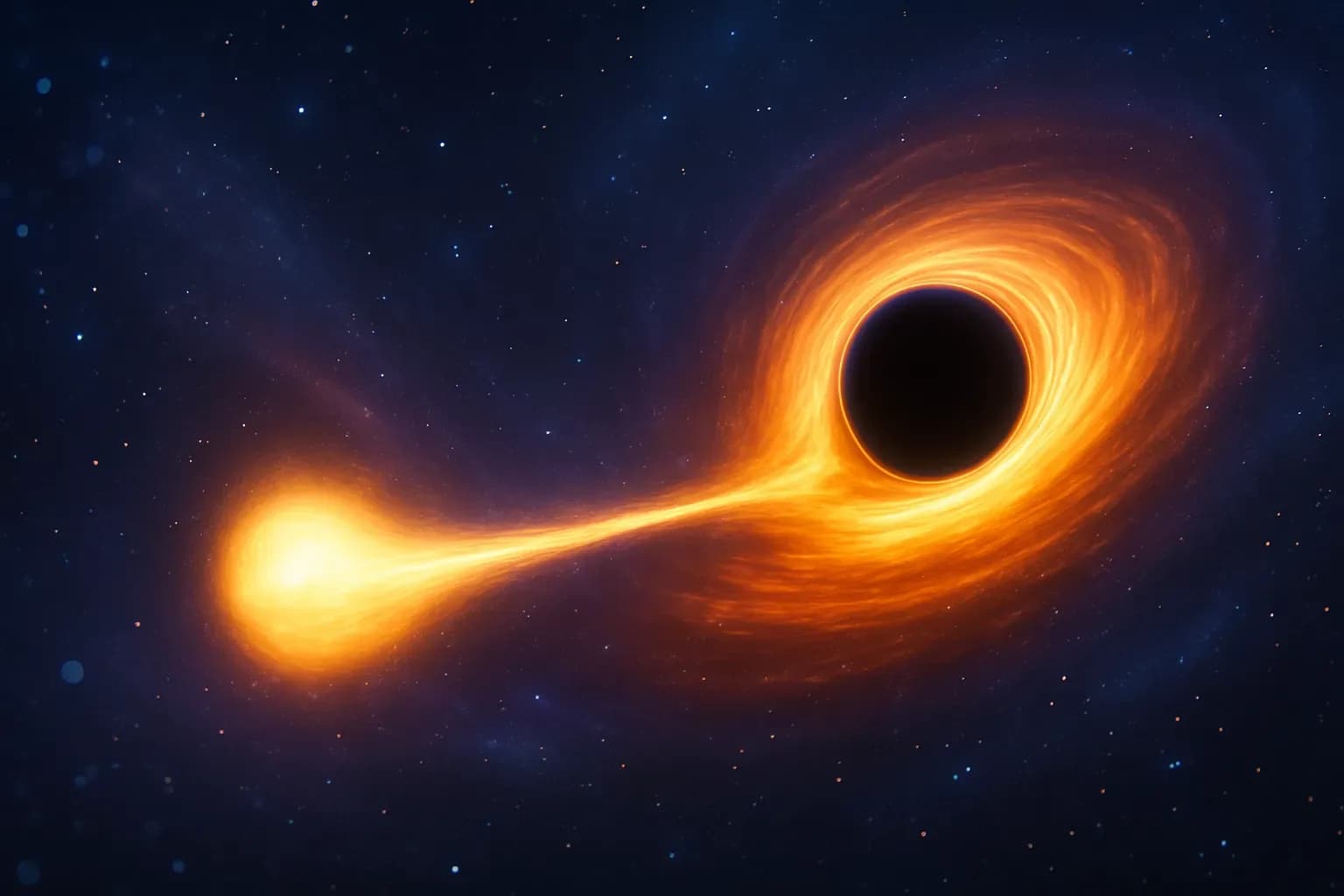
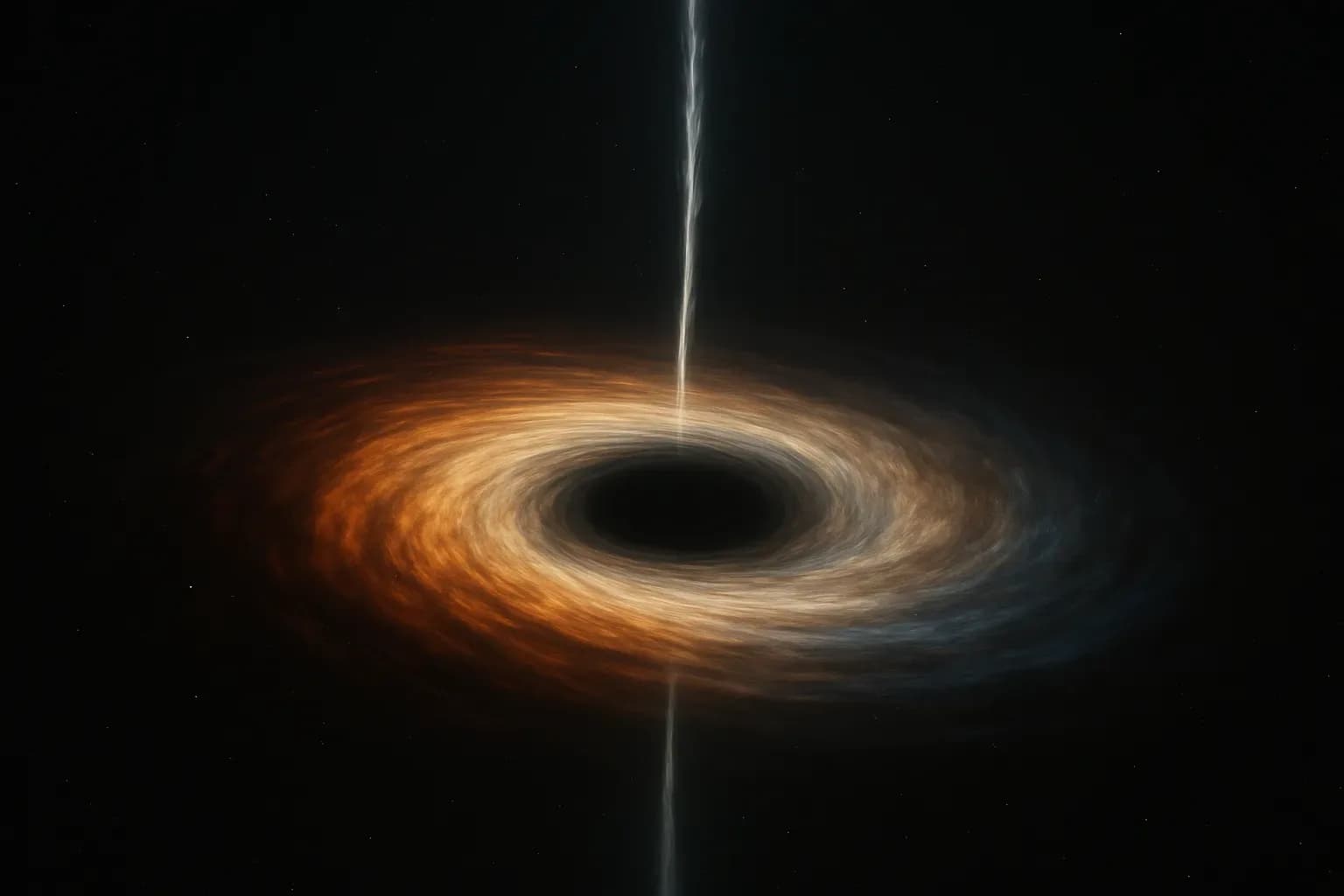
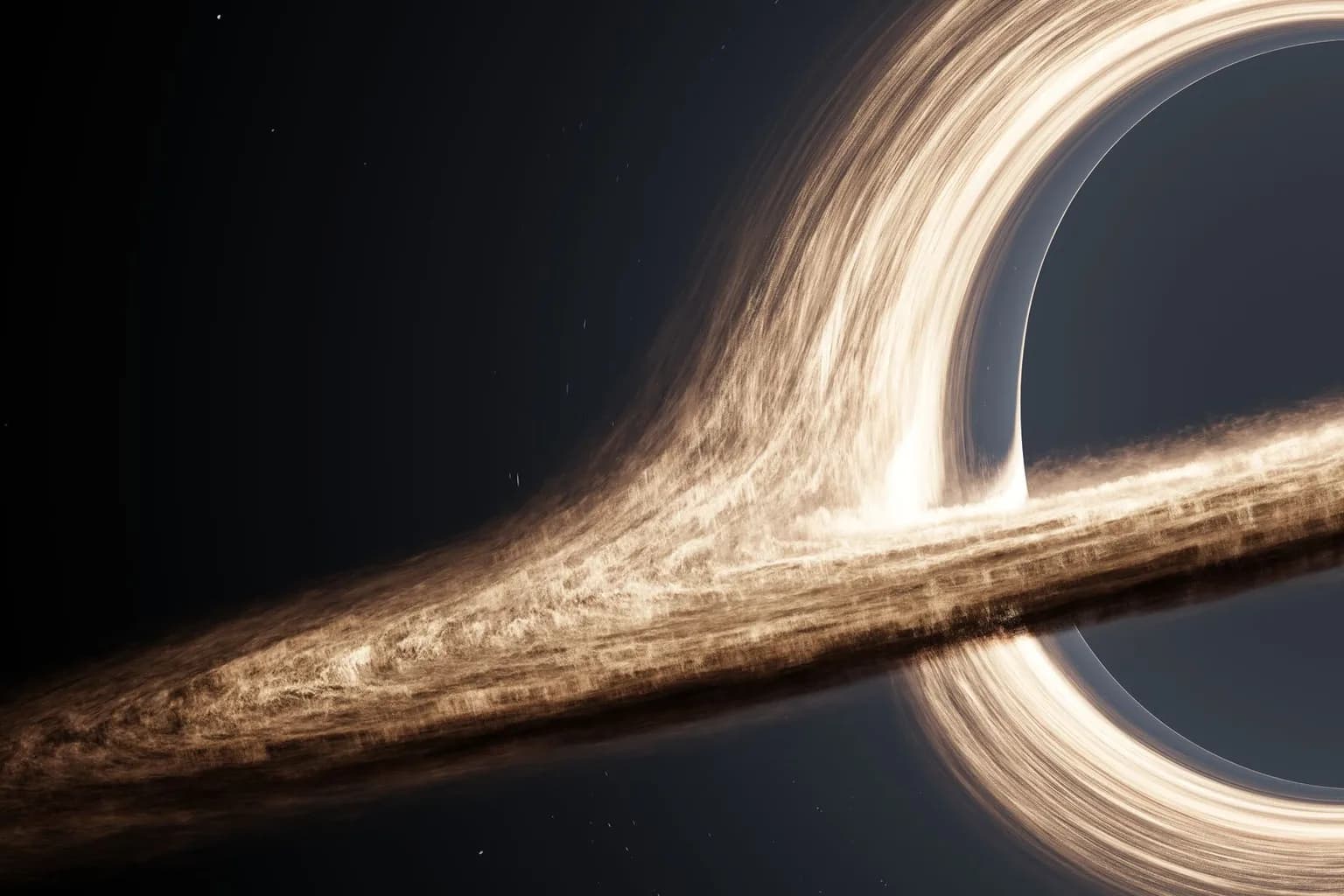
A study of ten tidal disruption events found that supermassive black holes launch their later jets when their feeding rate falls to about two per cent of the Eddington limit. The same threshold already governs jet formation in much smaller black holes, suggesting the relationship holds across seven orders of magnitude in mass.

Space · Science | The Modern