

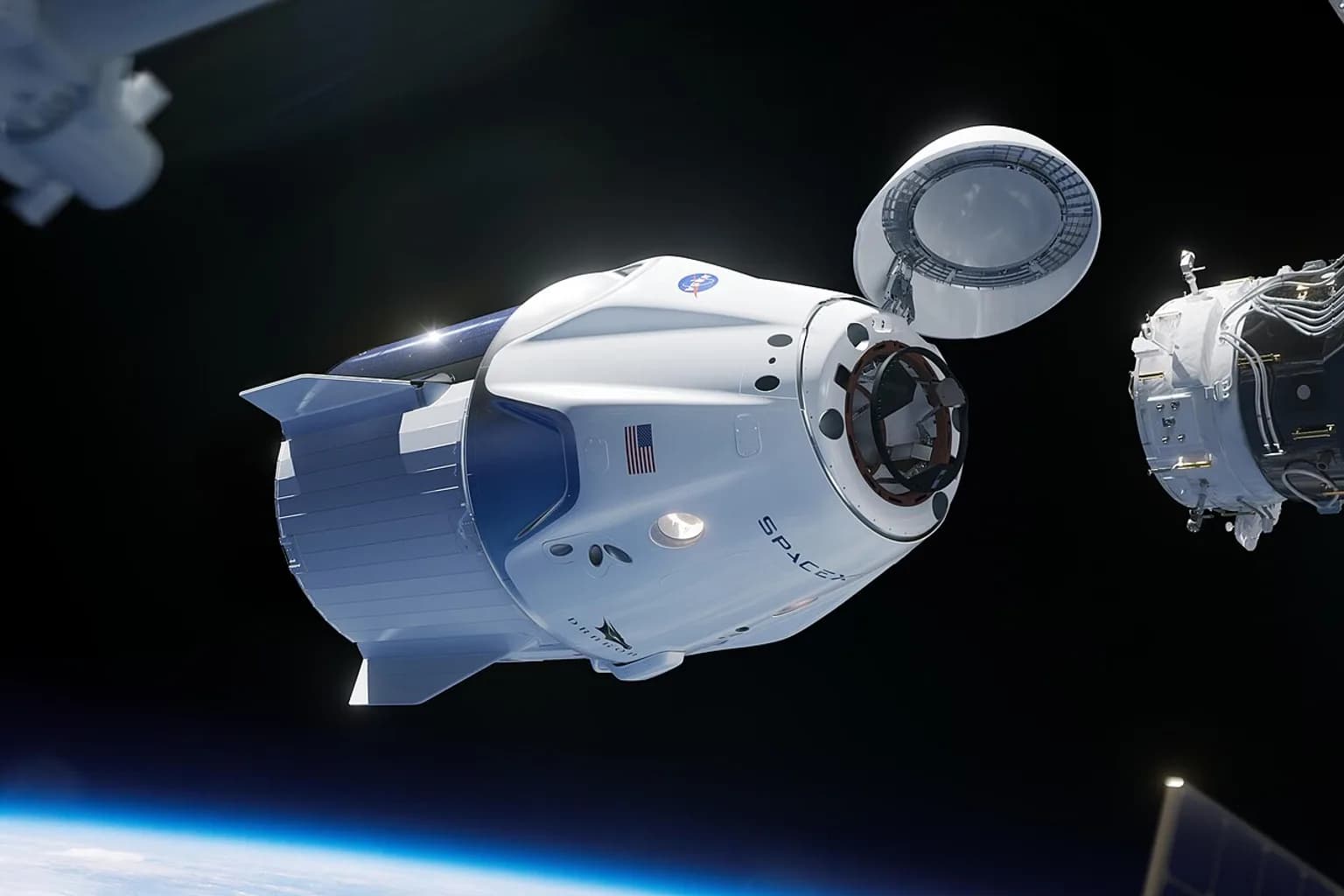
SpaceX caught the upper stage of its Starship spacecraft at its Texas launch tower on Saturday, marking its first recovery from orbit.
The capture occurred at about 4:20 p.m. ET on 14 November, after a 22-hour mission in which the 171ft (52-meter) craft orbited Earth 14 times and deployed 26 Starlink satellites.
SpaceX said the result showed that Starship, its spacecraft and rocket system for carrying crew and cargo, could be fully reusable. The company said that capability was crucial to rapid, low-cost recycling.
NASA has contracted SpaceX for a plan to return humans to the lunar surface, with a target of as soon as 2028 for humanity’s first moon landing since the Apollo era more than half a century ago. SpaceX’s proposed lunar mission would require Starship to refuel in Earth orbit.
The 15th test flight was intended to return both sections of the rocket intact to the launch site. Super Heavy, the booster that lifts Starship from the ground, instead diverted a few minutes after takeoff and exploded in the Gulf of Mexico on Friday.
Elon Musk, SpaceX’s chief executive, said the booster was slightly low on fuel.
Dan Huot, a SpaceX spokesperson and commentator, said the guidance, navigation and control system had made the decision after finding the booster was out of position. “It was doing what it was supposed to do. Basically, it detected that the booster was not in the place it was supposed to be to proceed with a catch.”
Kate Tice, a SpaceX official, said the booster’s engines stopped firing too soon on its descent. She said the system then automatically initiated the offshore diversion and self-destruction.
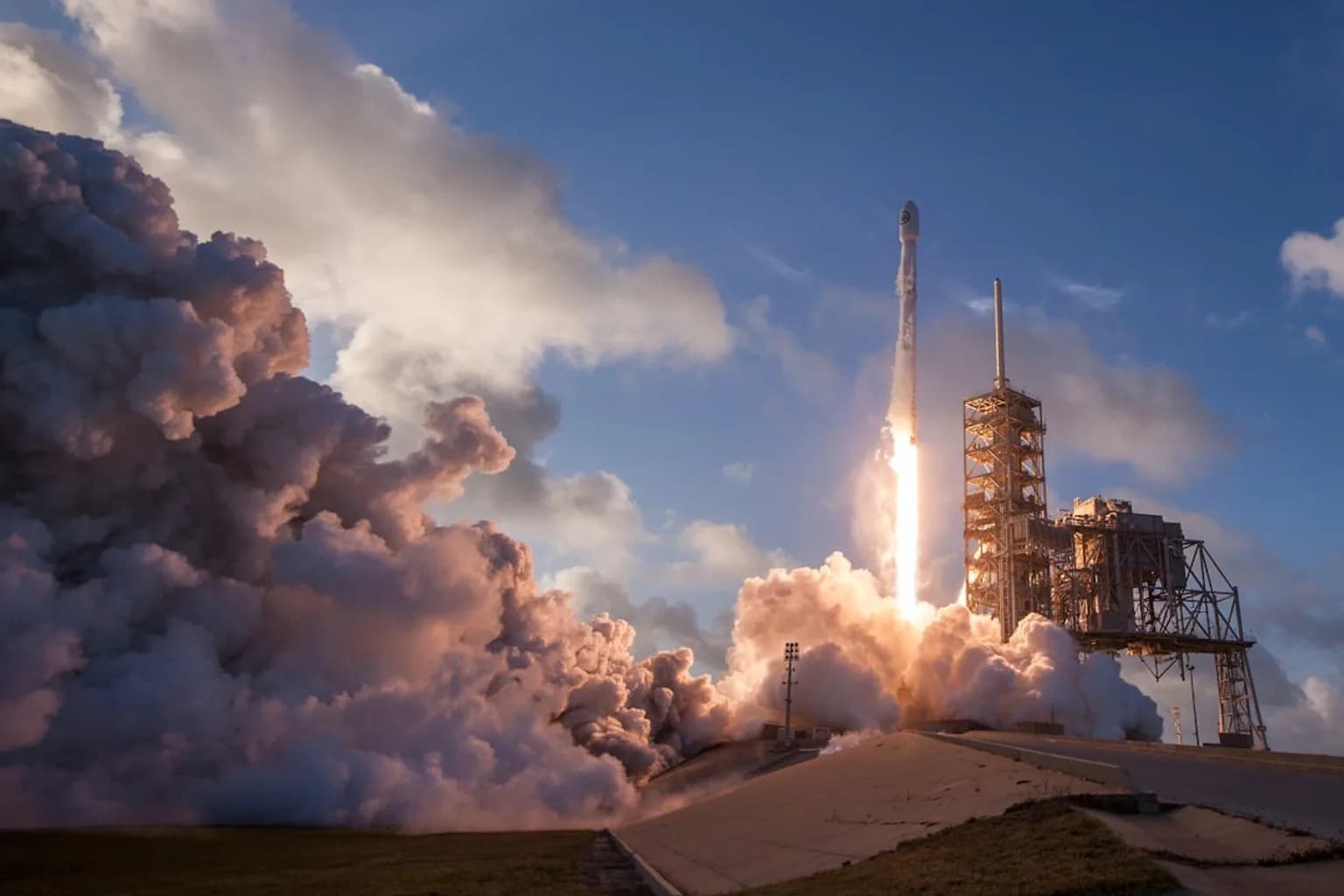
Flight 15 launched from Starbase, home to SpaceX’s headquarters and its Starship development, manufacturing, testing and launch work, on 13 November.
The upper stage returned over Starbase with its broad side facing the ground. It used three engines to turn upright, then reduced to two as it moved between the mechanical arms and one near a hover.
The arms were built to close around two fittings below the forward flaps. They captured the upper stage at Launch Pad 2 in Texas.
Huot said during the catch: “Can you believe it? Look at her! Baby, she's back!”
SpaceX said everything on the spacecraft, including its heat shield, appeared to have worked well. It was only Starship’s second entry into Earth’s orbit, while SpaceX had previously caught the Super Heavy booster three times.
Clayton Swope, an aerospace expert at the Center for Strategic and International Studies, said no one had created a fully reusable spacecraft. He said the space shuttle had been a compromise because much of the vehicle was not reusable.
Musk said SpaceX planned to increase Starship testing to weekly and then twice-weekly flights. The company expects to begin launches from Florida’s Kennedy Space Center within the next few months.





Comments (0)