Tech

US approved Nvidia AI chip sales to Chinese military-linked firms

Confidential documents show more than 30 percent of the nearly 580,000 approved chips went to companies the Pentagon designates as Chinese military firms, including Tencent and Alibaba. The approvals were made under a Trump administration plan that permitted sales in return for a share of the revenue.

US officials say the week of tech outages was not a cyberattack

The director of national intelligence told Congress the disruptions were separate maintenance failures, not a coordinated or state-sponsored attack. Senators are pressing the White House to act on AI's ability to find and exploit software flaws faster than organisations can fix them.

Tencent's AI spending spree pushes it into net debt

Capital expenditure reached CNY 81.43 billion in the quarter, well above market estimates, leaving the company with net debt of 13.7 billion yuan. President Martin Lau said elevated spending would continue through 2027.

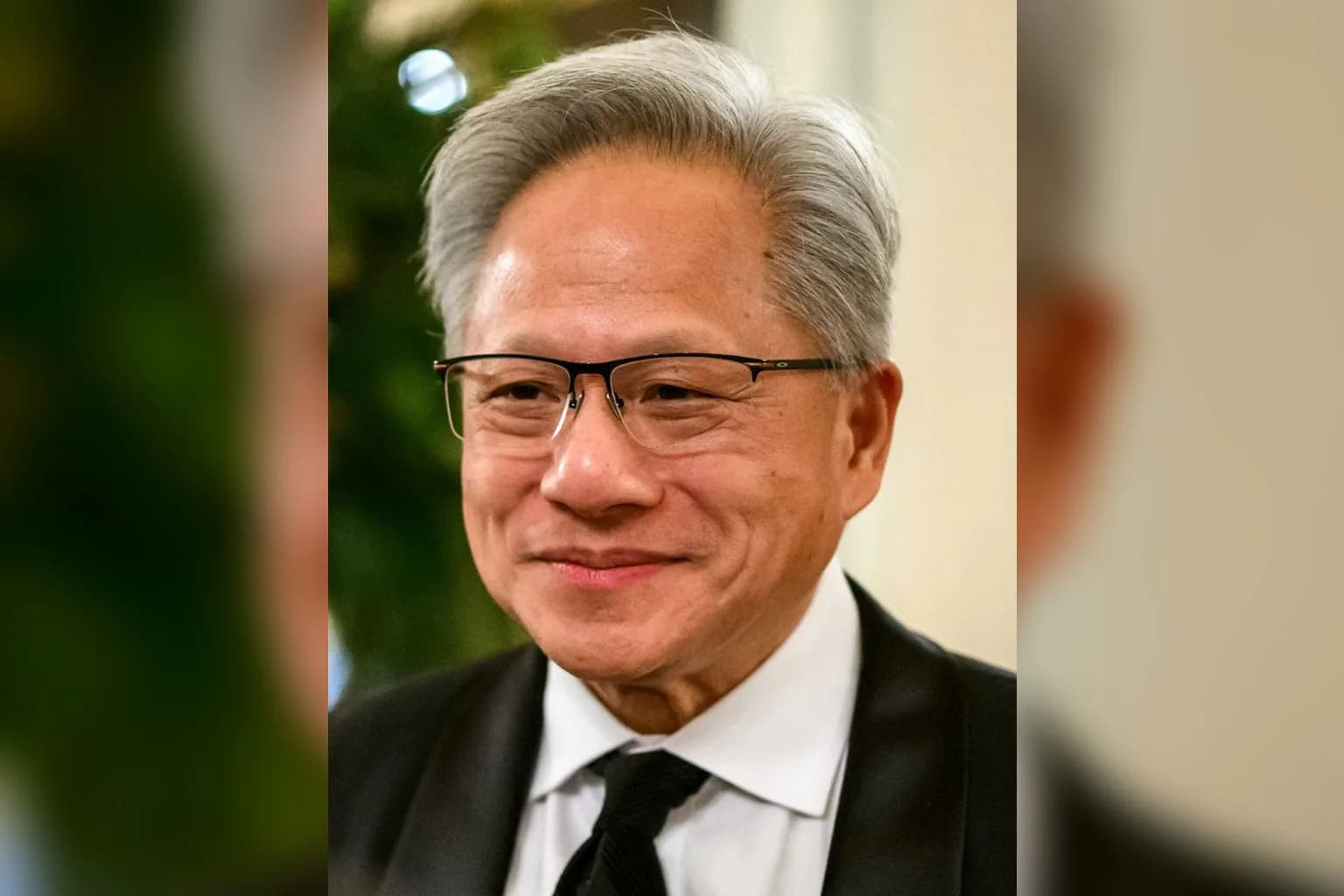
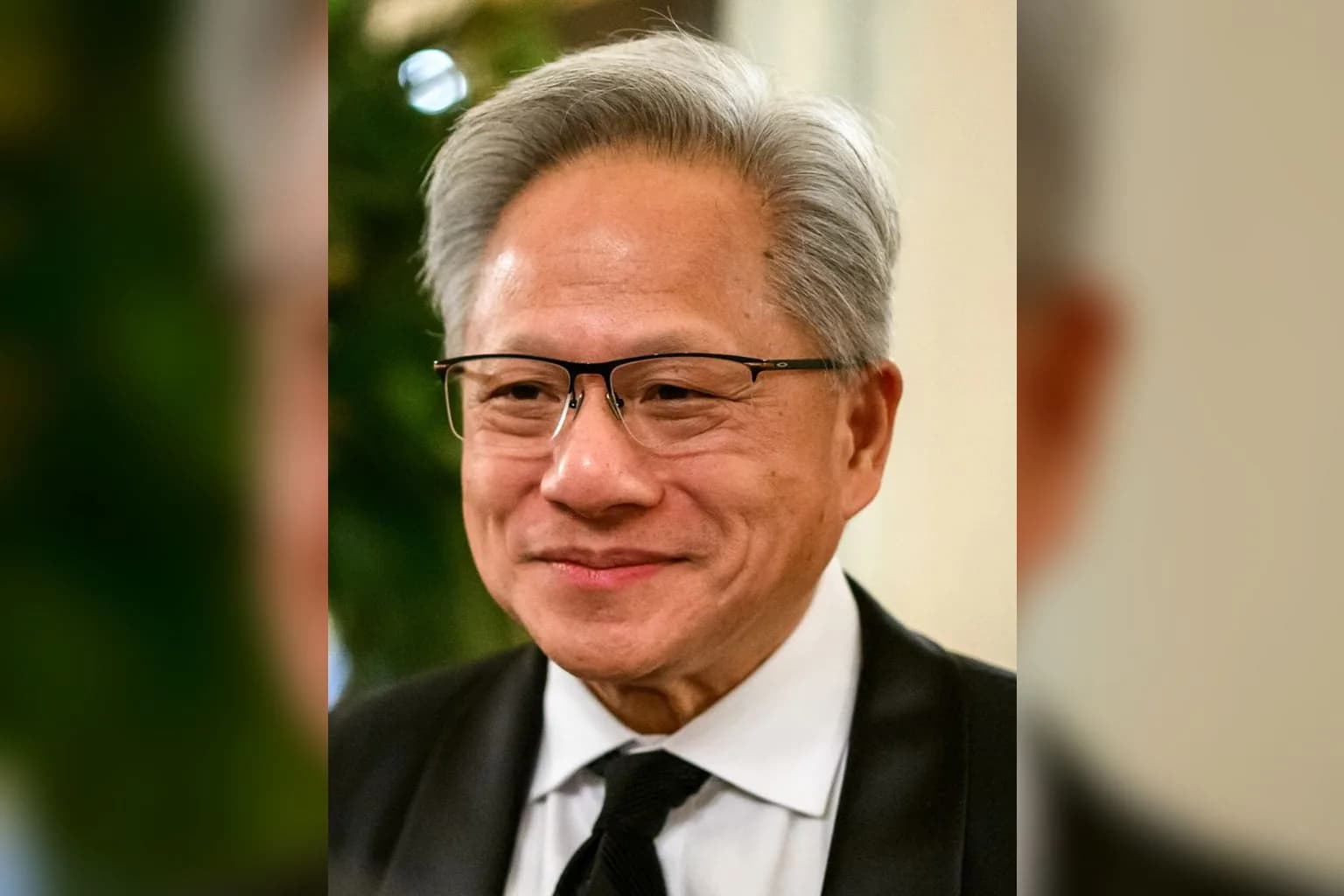
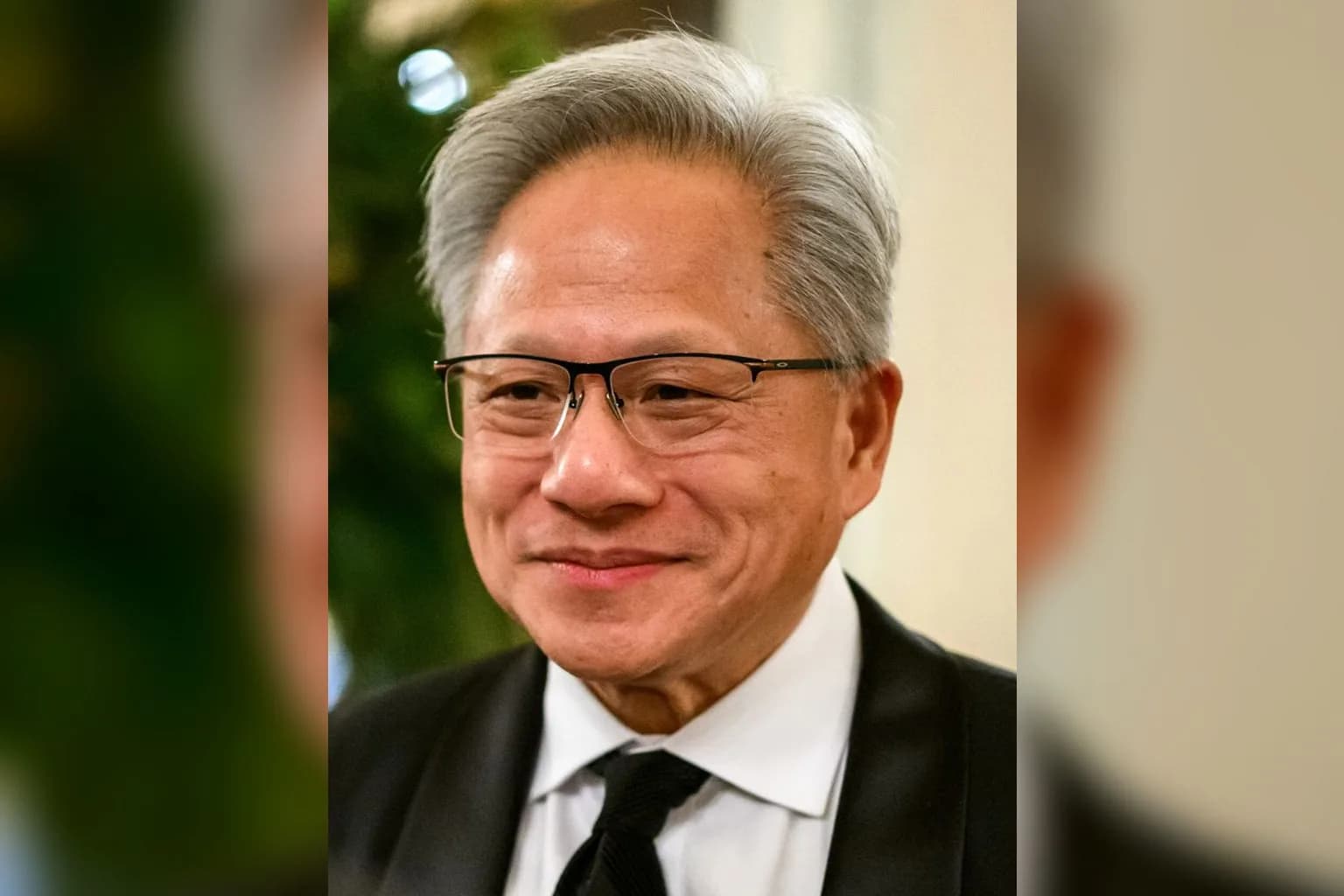
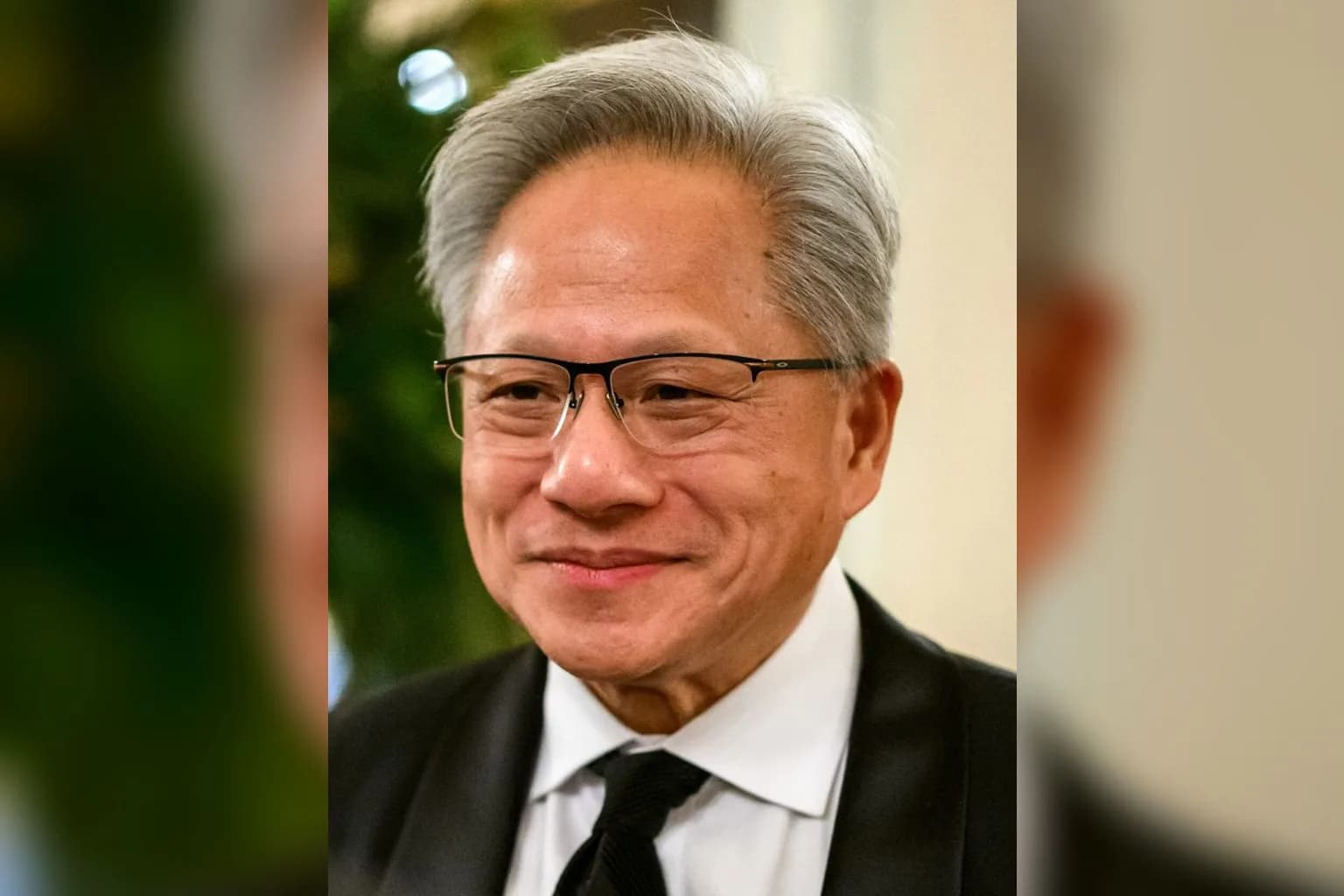
Nvidia's board says it will not rehire Jensen Huang

President Trump publicly urged the board to bring him back, calling Huang a brilliant person who made some bad decisions. Huang resigned after admitting an affair with a woman alleged to be a Chinese spy at Megaspeed, a firm under US investigation for moving around $2 billion in Nvidia chips into China.
Microsoft begins recovering from 20-hour global outage

The failure knocked out Outlook, Teams and Copilot for users in at least 74 countries and territories. Microsoft blamed a network capacity upgrade that left servers unavailable and pushed its infrastructure under elevated load.

Jensen Huang resigns as Nvidia chief executive

The board has launched an internal investigation after reports that Huang was targeted by a foreign intelligence effort. Colette Kress, Nvidia's finance chief, steps up as interim leader while the company searches for a permanent successor.

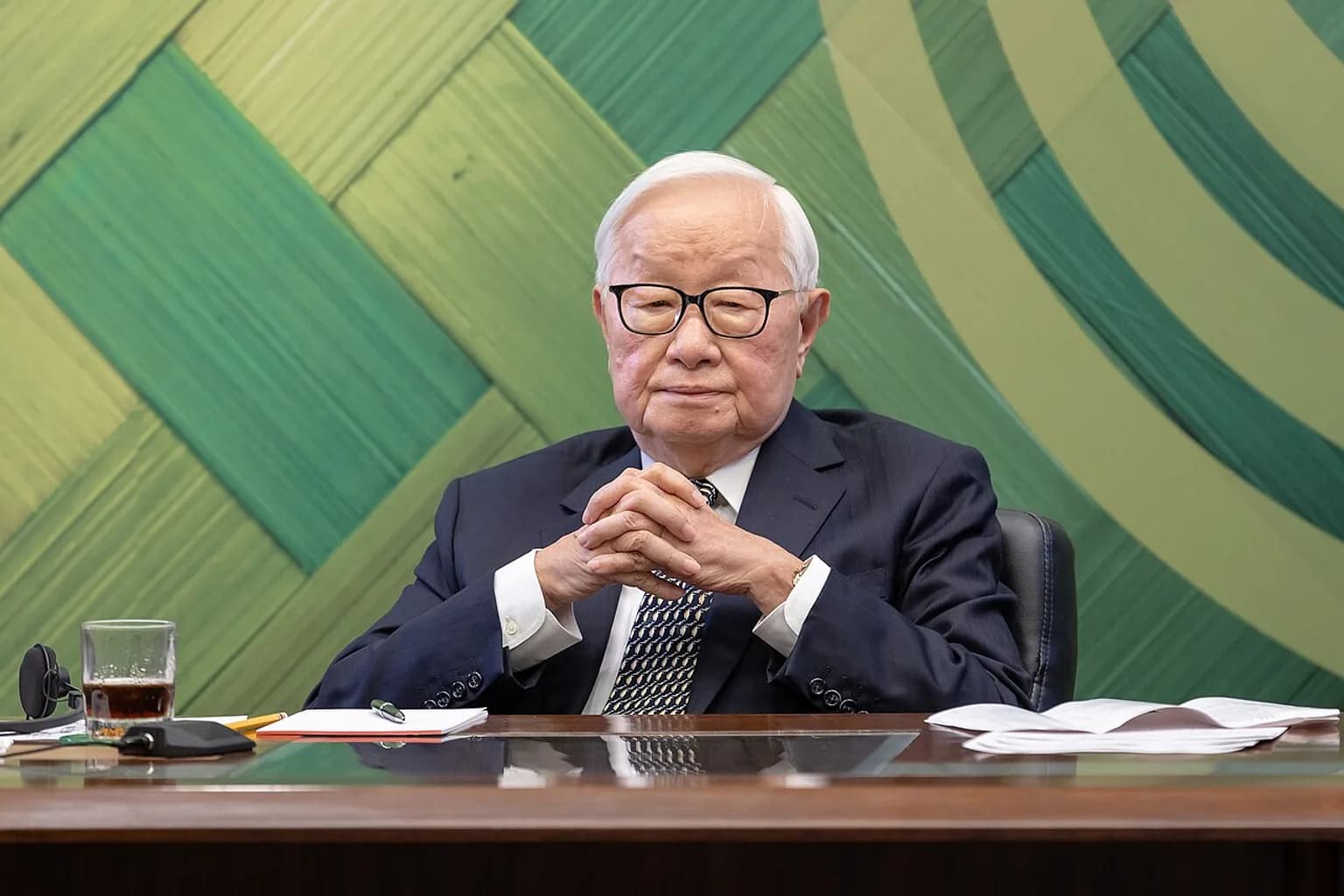
The Letter That Found a Factory

Morris Chang built Taiwan’s chip industry by giving designers a factory they could trust, then proved the model when a struggling Nvidia came calling.

UN warns brain-sensing wearables are outpacing privacy law

A UN report says neural data from consumer headbands and headphones can reveal emotions, intentions and thoughts — and may already be reaching governments and courts without adequate protection. Legal safeguards remain patchy, with the data's status under GDPR still unclear and no comprehensive US federal privacy law in place.

Hackers tried to spike French blood bank freezers to 110°C

The attackers reached systems at Coolworld, a supplier to France's national blood service, and programmed freezer temperatures to rise from -30°C to 110°C. Alarms caught the change in time, and the health ministry says no blood stocks were lost.

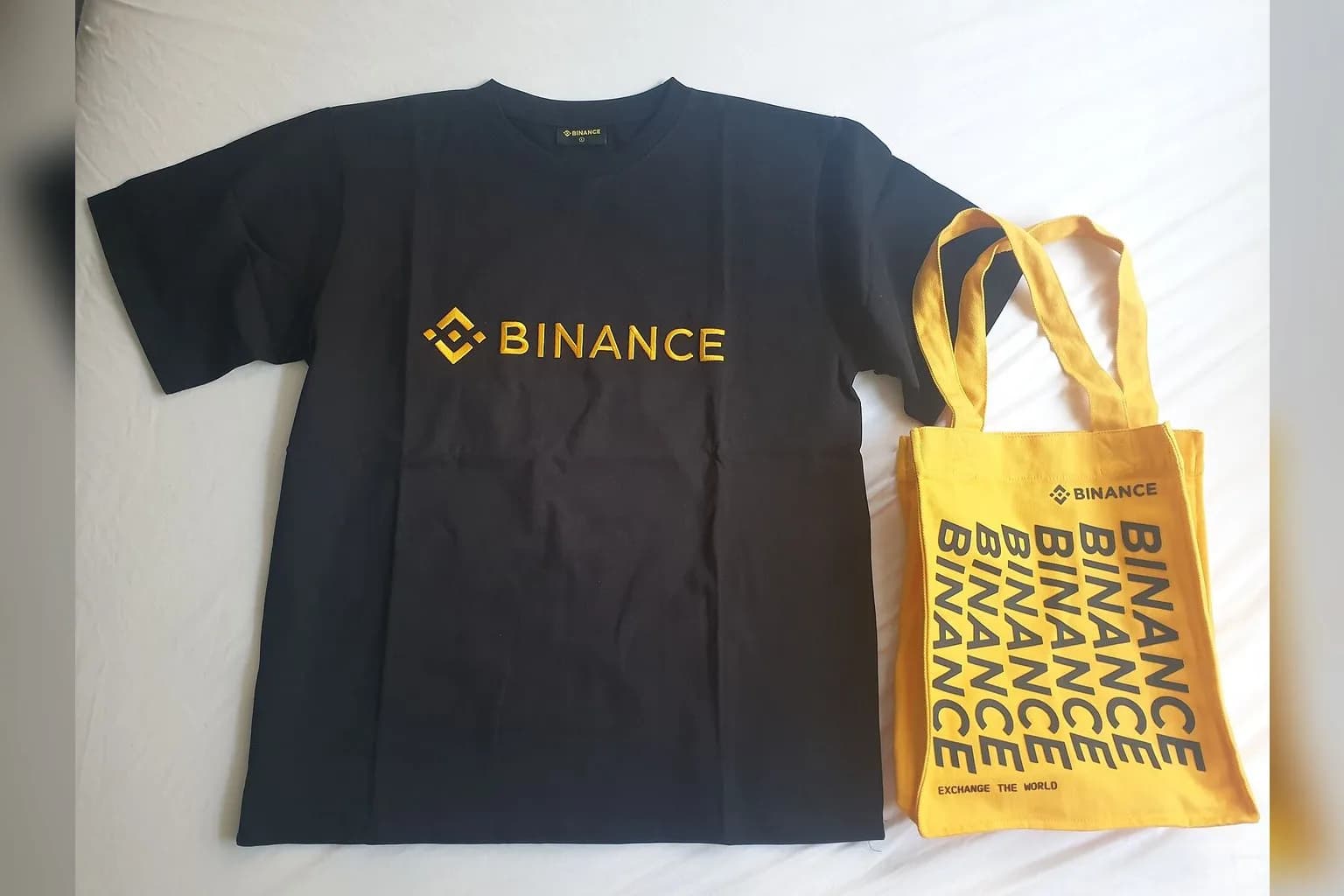
North Korea's hackers stole $6.3 billion from Binance in 20 minutes

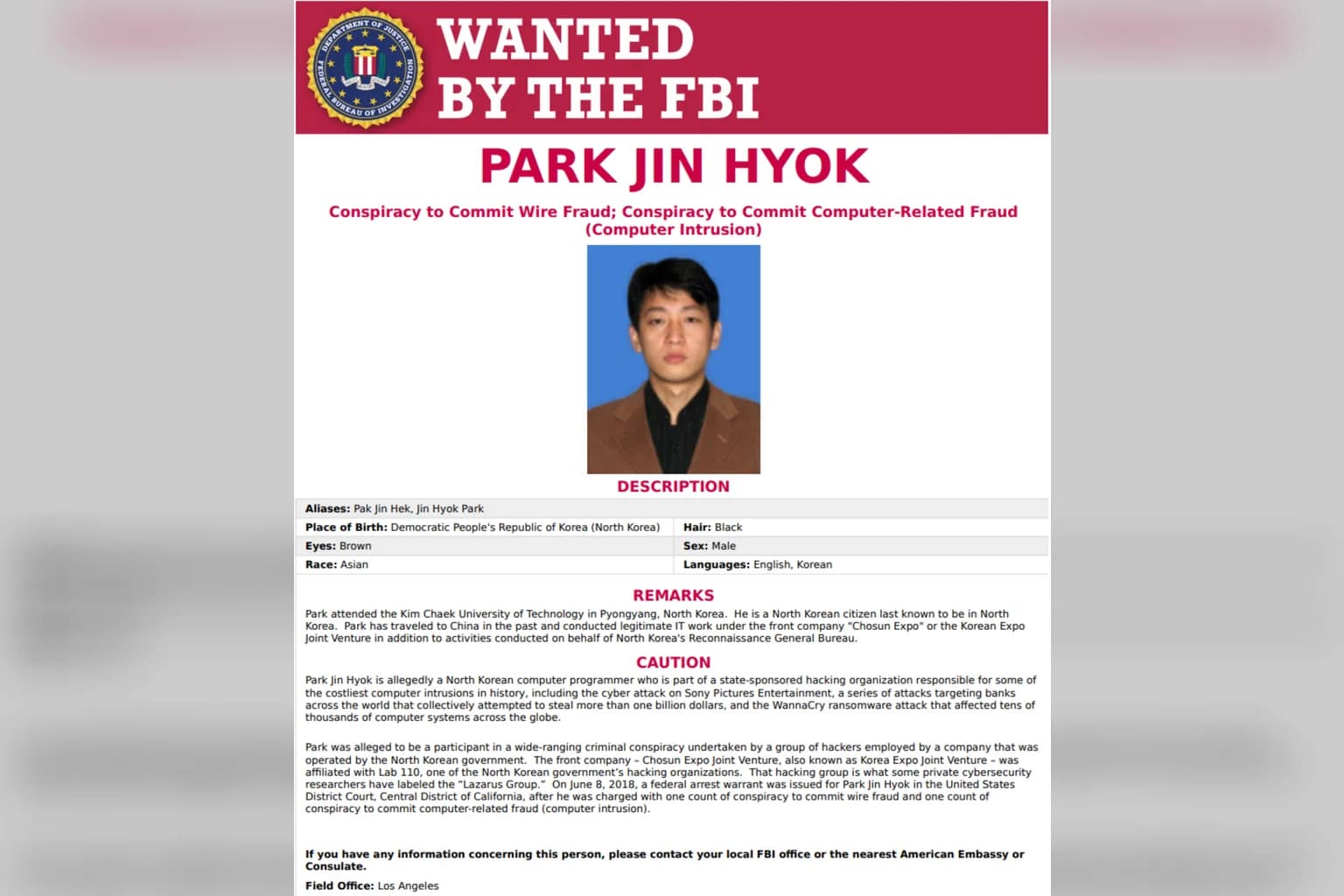
The FBI has identified TraderTraitor, a North Korean state-backed group, as responsible for the largest cryptocurrency theft ever recorded. About $2.8 billion was frozen, but net outflows still reached $3.6 billion — equal to roughly a fifth of North Korea's entire annual economic output.

More than 400 apps hid explicit deepfake tools behind fake AI listings

Researchers traced a network of apps and domains, apparently run by Chinese developers, that posed as pet portrait generators, language tutors and fitness coaches. Behind those listings were tools to insert people into sexual or violently threatening deepfake scenes. Apple removed 19 apps after being contacted; Google had already pulled most from its Play Store.

Nintendo designer Miyamoto says AI can work on games, but not make them

Speaking after being named for Japan's Order of Culture, Shigeru Miyamoto drew a line between production tasks — filling gaps, polishing — and the human decisions that set a game's structure and direction. Work that lasts, he said, comes from people deliberately designing with a computer's help.

New Windows malware uses AI to rank victims by how much they're worth

VOLTA-AUTODOXER hoovers up passwords, card details, crypto seed phrases and delivery histories, then sends the lot to Claude Opus 4.6 to assess each victim's assets and security habits. Cisco Talos found it deletes itself after running, but may leave a harvest log behind in %APPDATA%.

Venture investors keep diversifying into OpenAI and Anthropic

Limited partners backing several venture funds are finding those funds converge on the same two AI companies. Fundraising cycles have compressed to as little as one year, raising the pressure on endowments, hospitals and foundations to meet capital calls before earlier investments have paid out.

AI is turning First Nations art into 'Temu slop', artist warns

Sally Scales says AI systems are scraping Indigenous art centre websites, stripping artists' names and selling altered versions of their work without consent or payment. The problem builds on a fake souvenir market where more than 60 per cent of the $250 million annual trade is already counterfeit.

Security firm used a streaming app's own updater to fix 2 million computers

Eye Security found the abandoned Time4Popcorn updater still running on an estimated 2.5–3 million Windows machines and up to 350,000 Macs, quietly phoning home over unencrypted connections. It registered the dormant update domain, reverse-engineered the mechanism, and pushed a fix that disabled the updater. By March 2026, requests had fallen by 98%.

Amadeus breach exposes 53,000 Cathay Pacific bookings

Japan Airlines was hit hardest, with around 92,000 reservation records accessed and passport details potentially exposed for 2,000 customers. Korean Air, Asiana Airlines and All Nippon Airways have also disclosed incidents tied to the travel software provider.

North Korea blamed for $6.3 billion Binance hack

Blockchain intelligence firms say TraderTraitor, the group behind a $1.5 billion Bybit theft earlier this year, carried out the theft. Binance says about $3 billion has been frozen, while analysts say attackers are converting a further $3.3 billion into traditional currency.

The startup with 15 staff and 150 AI colleagues

Anything, a San Francisco startup, has built its workforce around AI agents rather than hiring people. About 40% of large organisations now use agents in some capacity, and companies expect to cut headcount by 10% to 15% — though MIT research finds no major productivity gains yet.