

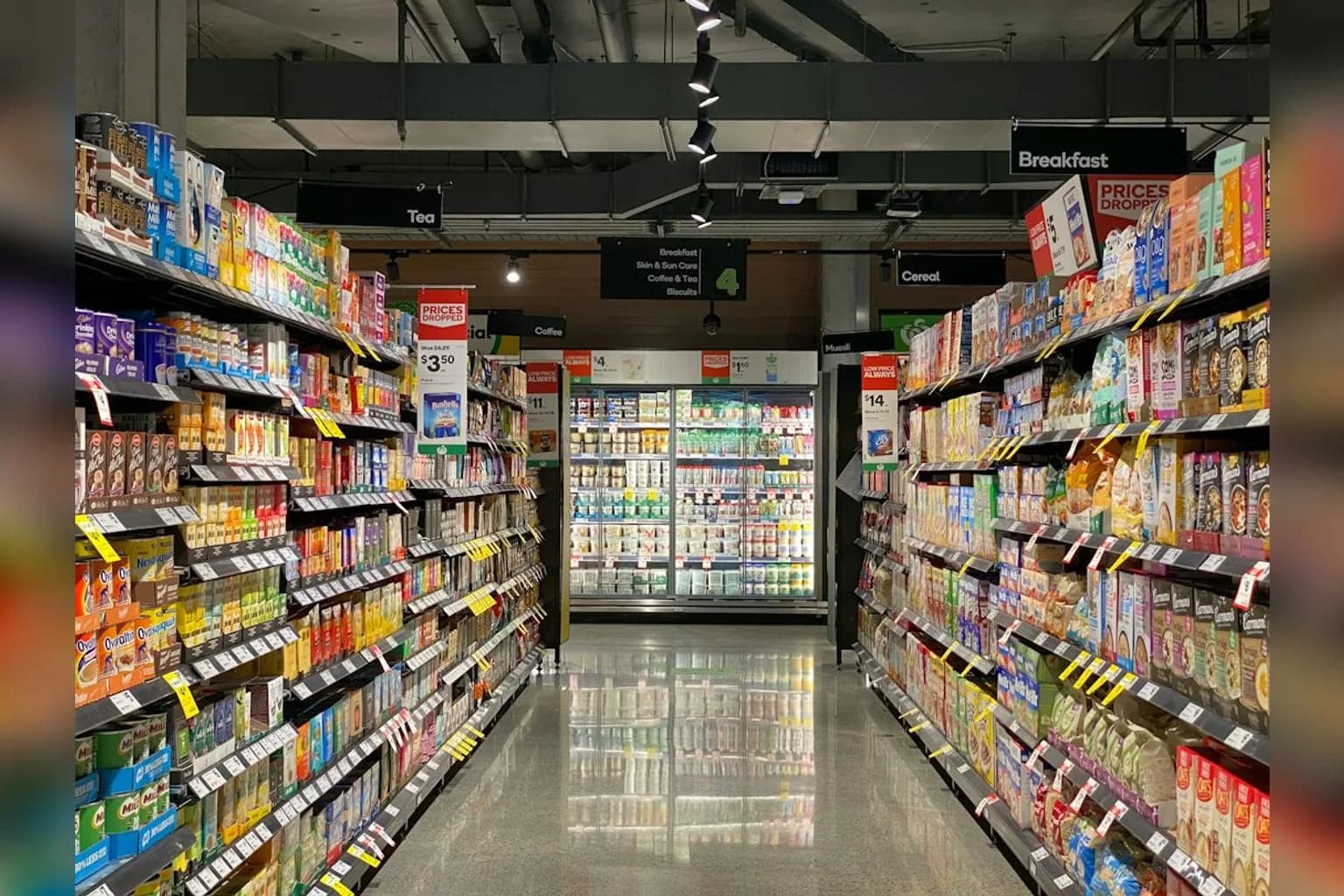
Retailers across Europe are counting food losses and equipment damage after an overnight attack on refrigeration systems disrupted the cold chain in more than 100 shops, leaving shoppers and businesses exposed to the consequences of a failure in systems that keep fresh and frozen goods safe.
The attackers remain unidentified. Cyber-security researchers had flagged vulnerabilities in remotely controlled refrigeration systems months before the incidents, and the attacks exploited those weaknesses in systems used to manage cold units.
At a Delhaize branch in Hoeilaart, just outside Brussels, frozen pizzas and ice cream were among the food being thrown away. The store put its damage at more than €100,000 (£83,500).
Mathieu Tilman, a manager at a Delhaize supermarket in Belgium, told the BBC: “There's so many people starving, people who don't have enough to eat. How can we end up throwing away so much food?” He added: “I don't even understand how anyone could do this... I find it truly distressing. In moments like these, you just feel like quitting your job.”
The incident began at 4am (0300 GMT), when internet-linked units in several countries were forced to warm while shops were closed. Giuseppe Spadaro, head of the Radenza Group, which manages Coop-branded supermarkets, said the attack targeted “our remote-control system for frozen food sections” and had since been resolved.
By Monday, supermarkets in Belgium, Estonia, Finland, Ireland, Italy, Luxembourg, the Netherlands, Portugal, Germany and Sweden had reported refrigeration failures. At least four Co-op supermarkets in Sicily and one business in Tuscany were among the affected Italian sites.
Some refrigeration units reached 50C (122F), high enough to cause appliances to melt or catch fire. In the UK, the National Cyber Security Centre (NCSC) said it knew of “a couple of instances where vulnerable technology had been exploited”. Members of the British Association of Independent Meat Suppliers saw fridges start to defrost, and one saw cold units rise to 100C (212F).
Richard Horne, the NCSC’s chief executive, said the agency had “worked through the night” to alert potentially affected organisations in the UK. He said it was still “too early to say” who was behind the hacks.
The attack’s reach reflects how supermarket refrigeration has become dependent on external control systems. Helena Johansson, a spokesperson for Swedish chain ICA, said the affected stores were connected to a system supplied by Danish manufacturer Danfoss, which was also targeted in the 12 October cyberattack on French retailers.
About 40 Delhaize supermarkets in Belgium and Luxembourg were affected on Monday. Sabcobel, a Belgian manufacturer of some of the refrigerators involved, said the units’ evaporators had been switched into defrost mode, causing them to warm.
The latest attack followed an incident last month in which hundreds of French supermarkets were left with spoiled food and overheated equipment, at a cost of millions of euros. The shared targeting of similar remotely managed systems links the operational methods, though the available information does not establish who carried out either attack.
Belgium’s prosecutor’s office has opened a criminal investigation, alongside investigations by European authorities. No group has claimed responsibility.
Christophe Hansen, the European Commissioner for Agriculture and Food, called the attacks “a deliberate attempt to disrupt” the bloc’s food supply and undermine consumer confidence. He said “food security is not currently at risk … the food waste and impact on businesses are real”.
Awais Rashid, a professor of cybersecurity at the University of Bristol, said many supermarket refrigeration systems are managed remotely, often by third parties, and have missed the software updates needed to protect them from hackers. The NCSC has warned British retailers to update software on fridge temperature controls.
European intelligence officials have warned that Russia is escalating its shadow war on the continent during the conflict with Ukraine, with cyberattacks among the methods it uses. That warning does not identify Russia as responsible for the supermarket attacks.




Comments (0)