

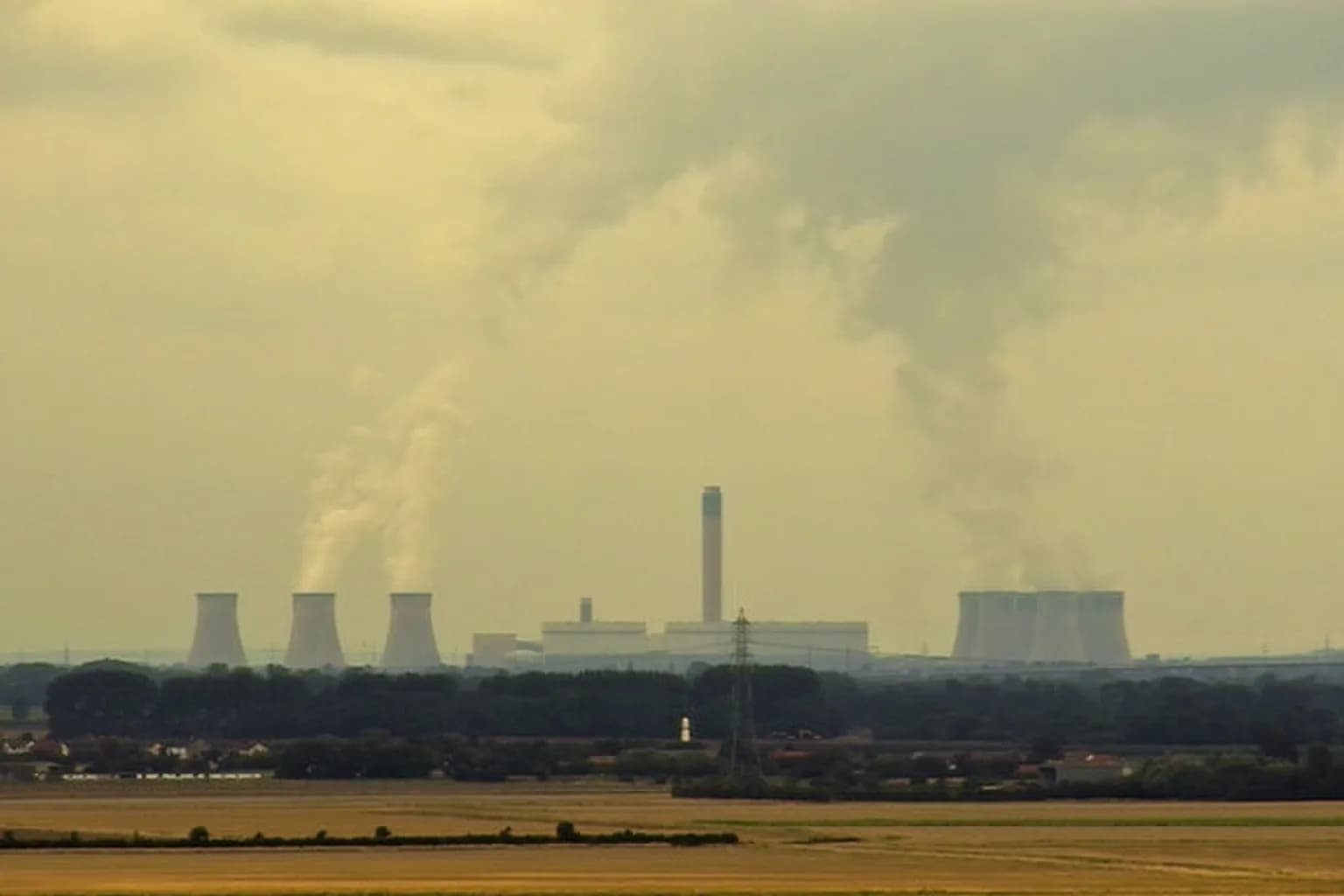
Drax’s proposed development could bring more than 1 gigawatt of data-centre capacity to its North Yorkshire site, as Britain tries to find enough electricity for expanding artificial-intelligence computing.
Drax Group, Brookfield and Radiant signed an agreement on Tuesday to develop an AI data centre on the Drax Power Station estate. Will Gardiner, Drax’s chief executive, said the project would “help secure the long-term future of the site and protect hundreds of jobs, maintain a critical source of the country’s energy security, support northern growth and enable Drax to continue delivering for local communities”.
The station occupies a 1,000-acre site with access to 4GW of grid capacity, 2.6GW of active generation and cooling infrastructure. Its biomass plant is powered predominantly by wood pellets, while also using straw and sunflower pellets.
The scale of the proposed computing project reflects a tight contest for power as well as for data-centre investment. In September, Google said it would invest at least 13 billion euros ($15.1 billion) in AI infrastructure in Finland.
In October, Microsoft withdrew from a tie-up with UK neocloud firm Nscale after an Essex data-centre project could not secure a grid connection until at least 2030.
Drax signed a government-backed Contract for Difference agreement last year for biomass generation between April 2027 and March 2031. The agreement allows it to seek permission to redirect up to 500MW of capacity to a datacenter.
Under the new plan, phase 1 carries an initial investment of £2.5 billion and targets up to 100 megawatts of capacity from the first quarter of 2028. The first phase would use grid power and seek commercial customers from early 2028.
The partners aim to add a further 500 MW between 2028 and 2031. They are also looking to secure more than 1 gigawatt of capacity at the site, without specifying a date for that target.
Brookfield estimates that total investment, including semiconductors, could exceed £20 billion ($26.8 billion). The money would come through a joint venture between Brookfield and Qatar’s Qai, though the £20 billion figure is an ambition rather than money committed at this stage.
Mahdi Yahya, Radiant’s chief executive, called the scheme “a unique opportunity for the UK’s AI ecosystem to build at scale”. He said that designing, building and operating in the UK would give British researchers, startups and enterprises access to “frontier compute at home”.
The project still needs planning, regulatory and network approvals from the government and relevant agencies. It also needs a tenant, and Drax said final investment decisions have yet to be made.
John Healey, a government minister, said data centres would be allowed to use onsite generation while awaiting a grid connection. A British Data Centre Covenant was also revealed at the Budget speech.
Emma Reynolds, the Chief Secretary to the Treasury, said investments of this kind would “help pave the way to a new age of British reindustrialization, creating good jobs in Yorkshire and delivering growth right across the country”.
Britain’s existing data centers use around 2GW of electricity, according to a government estimate.
A recent investigation found that businesses made up 84 percent of the stakeholders UK ministers met to discuss datacenters between July 2024 and June 2026. Environmental groups had precisely zero meetings.
Drax’s London-listed shares rose 8.8% in early morning trading after the announcement, placing them among the day’s biggest risers.





Comments (0)