

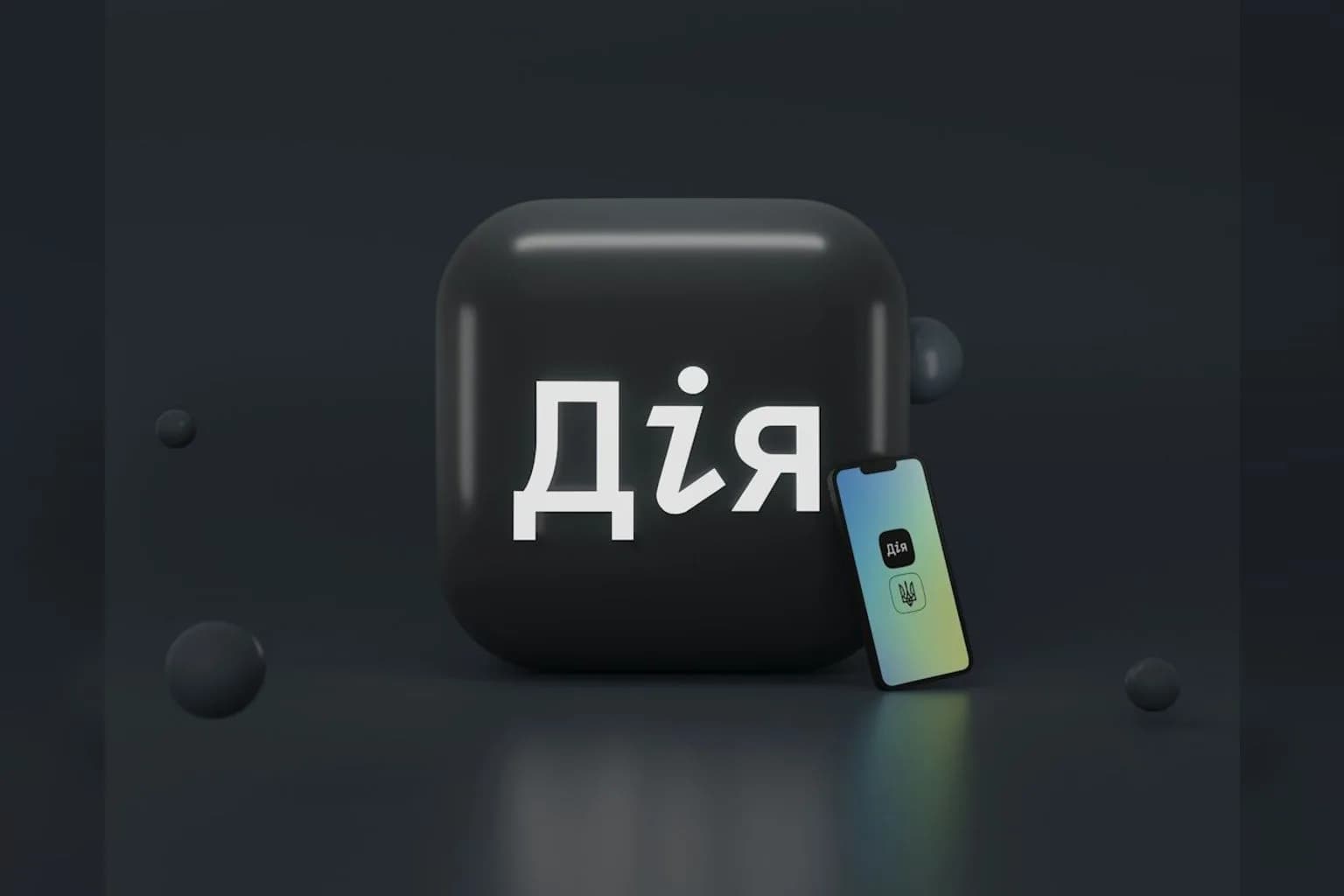
For millions of civilians who depend on phone alerts to distinguish danger from routine, the false warnings showed how emergency systems can be used to spread fear and misleading information.
Ukraine's Centre for Strategic Communications blamed Russia for the breach of its Air Alert app, though it remained unclear who carried out either cyberattack or whether the incidents in Ukraine and Russia were connected.
Ukraine's government-backed Air Alert app had long been used nationwide to warn civilians about incoming Russian air attacks. A localised ceasefire in Russia-occupied Kherson region, which began on October 27, had become the longest truce of the war and allowed humanitarian aid and the evacuation of hundreds of people from Oleshky.
Shortly before 11pm local time on Sunday, minutes before the ceasefire was due to expire, false messages began appearing on the Ukrainian app. They warned of nuclear radiation, chemical attacks and street-to-street fighting in Kyiv, in Ukrainian, Russian and English containing spelling mistakes.
One message in Russian said: 'Hi! A nuclear alert is about to go off all across Ukraine! Don't worry, the Oreshnik is on its way,' referring to Russia's hypersonic missile, which can carry nuclear warheads.
Sofia Kochmar, a 34-year-old mother-of-one in Lviv, saw the word “nuclear” and initially feared an attack was under way. “The first thing I saw was the word nuclear and that made me pretty nervous and scared. So my first thought was that something nuclear was actually flying toward us. But then the notification mentioned street fighting in Kyiv, and I thought, wait, no, that's impossible,” she said.
Olena, a Kyiv resident, told BBC Radio 4's Today programme that the warning confronted her with a danger for which she did not feel ready. “The first thought was "oh my god, I'm not prepared for this". I'm prepared for blackouts, for a cut in central heating and water supply, but not for nuclear attack,” she said. Her husband received warnings about street fighting in Kyiv and another alert in Russian.
Anastasiia Romanytska, a 29-year-old ballerina in Kyiv, did not have the app installed, though friends forwarded the messages to her. “My first reaction was, Is this some kind of joke? But then my body reacted as if I was under stress. My heart started racing, and my stomach tightened up,” she said.
Ukraine's Air Force responded within 15 minutes, saying: 'There is no radiation threat! Stay calm and follow our updates on our channel.' It took more than an hour for full “all clear” messages to reach users, though Ukraine's State Emergency Service said by midnight local time that the nationwide system was operating normally again.
A few hours later, Russia's Ministry for Emergency Situations said its own app had suffered a massive cyberattack that allowed false information to be sent to the public. Users there received messages claiming that 'nuclear warheads' had been 'launched across all regions of Russia', telling them to stock up on food for three weeks and shelter in basements.
Russia's Emergencies Ministry said it would restore the app's full functionality by the end of the day on Monday. By Monday morning, there was no sign that the false messages had caused widespread panic in Russia, and the incident received little prominence in Russian media.
Some Ukrainian messages contained a link to a Telegram channel apparently owned by a hacker group. Yevhen Baliutov, a cybersecurity expert at Kyiv School of Economics, said many Ukrainians had clicked it, potentially exposing them to phishing, disinformation or data breaches. “This is a war, so it's no surprise that Russia will try to hack, will try to send us fake news, will try to manipulate, and will use that for their propaganda,” he said.
The informal wording of the hoaxes suggested the involvement of so-called hacktivist groups, which may align with Moscow or Kyiv without being formally directed by either government. Mash, a Russian Telegram channel with links to the security services, said representatives of Hitcore had claimed responsibility for the attack.
Herbert Lin, a senior research scholar for cyber policy and security at Stanford University, said: 'I think it's the first time [a hack of this kind] happened to an official Ukrainian information app, but I suspect it won't be the last.'
The end of the Kherson ceasefire was followed by renewed violence. Ukraine's General Staff of Armed Forces said Moscow had used the pause to reinforce its military positions in the region. On Monday morning, local media reported a strike on a hospital in central Kherson, and the region's military administration said a Russian drone hit the hospital at 7.40am.
Dmitry Peskov, the Kremlin spokesperson, said on November 2 that Russian government bodies routinely faced such threats. “The website of the president of the Russian Federation is subjected to cyberattacks many times a day, every day. The same goes for other government agencies,” he said.



Comments (0)