

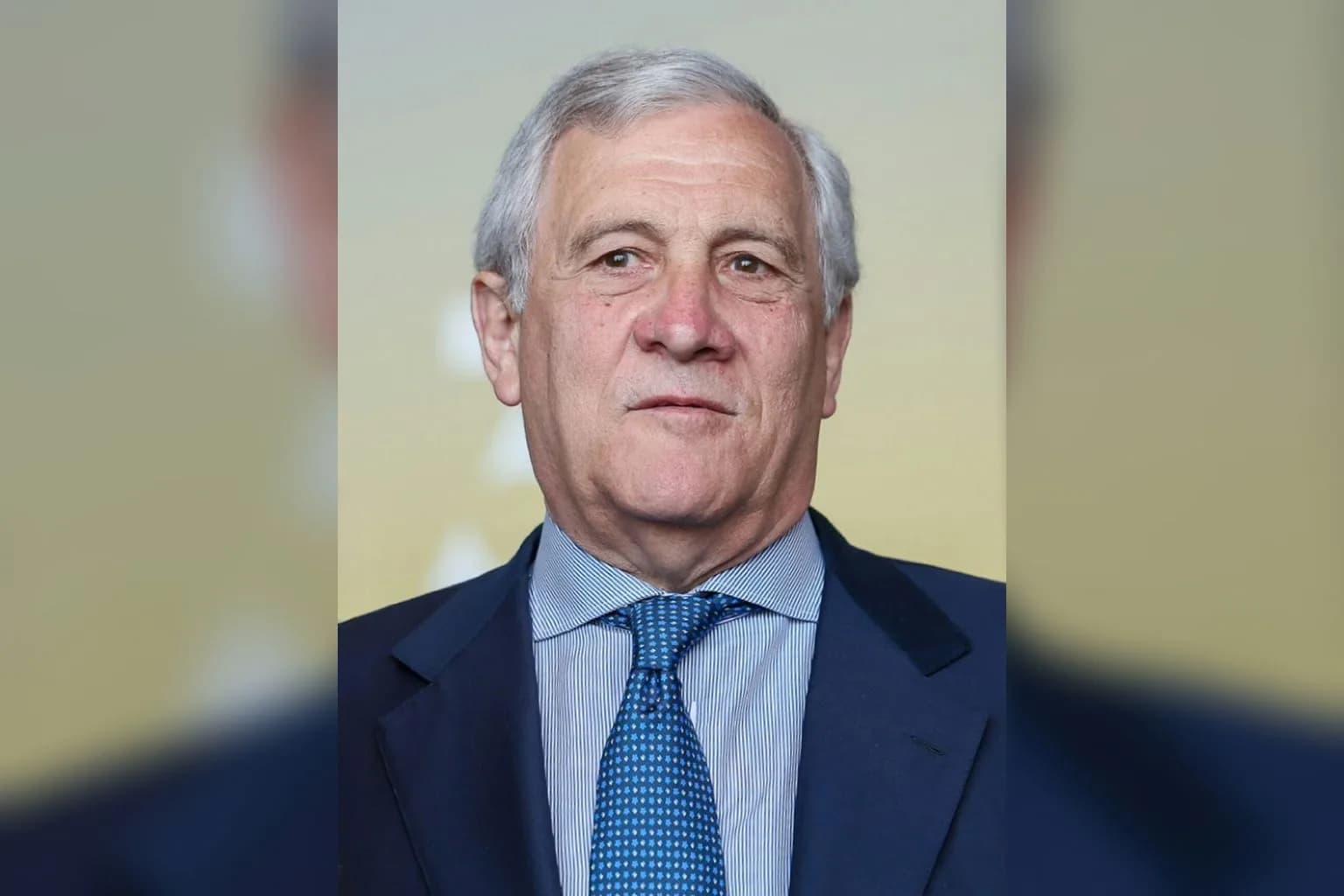
Italian Foreign Minister Antonio Tajani said on Saturday that cybercriminals had published his personal data on the dark web for days.
Tajani, who is also Italy’s vice prime minister, said the attackers were seeking further information about him and his loved ones, and were willing to pay for it. He said the cyberthreat was ongoing, though he did not say what personal information had been published or identify those responsible.
The foreign minister said Italy’s support for Ukraine was the political reason for the targeting. “Defending the freedom of a sovereign state, taking a clear stand in support of a nation's democracy and independence, is dangerous in the eyes of these criminal entities,” Tajani said.
He also suggested the threats could be a response to efforts to strengthen the Foreign Ministry’s digital defences. “We are facing hybrid warfare,” he said.
Prime Minister Giorgia Meloni blamed pro-Russian hackers for the leak. She expressed full solidarity with Tajani and described the breach as a matter of grave concern requiring the utmost determination.
Tajani said: “I will not be intimidated in any way”. He said the ministry was coordinating its response with allied countries.
Italian cybersecurity authorities found the breach during routine monitoring of the dark web, according to the account of events. The data had circulated on forums accessed through the Tor network, while threat actors sought further private records about Tajani’s household.
Tajani established a cyber directorate on January 1 to protect the Foreign Ministry from intrusions by attackers often linked in some way to state entities hostile to Italy. Italy, like other EU and NATO member states, has provided humanitarian and military assistance to Ukraine.
Ukraine’s foreign minister, Andrii Sybiha, expressed solidarity with Tajani and backed his proposal to put escalating cyber threats and asymmetric hybrid operations on the agenda of the upcoming Group of Seven foreign ministers’ meeting in Paris.
The allegations come amid suspected hybrid attacks across Europe that have included drone intrusions, sabotage in NATO territories, threats against media outlets and bomb threats that forced airline cancellations and rerouting. Cyber attacks have also disrupted food refrigeration systems. More than 100 grocery retail stores were affected on Monday, November 2, after hackers remotely accessed cooling controllers and forced freezer temperatures up to 50 degrees Celsius in retailers in Belgium, Estonia, Ireland, Luxembourg, Sweden, and the Netherlands.
An October cyber incident in France compromised cooling systems at approximately 700 supermarkets. EU Agriculture Commissioner Christophe Hansen called the refrigeration breaches a deliberate attempt to compromise regional food supply chains, while investigators said the lack of ransom demands strongly pointed to state-aligned hybrid sabotage.





Comments (0)