

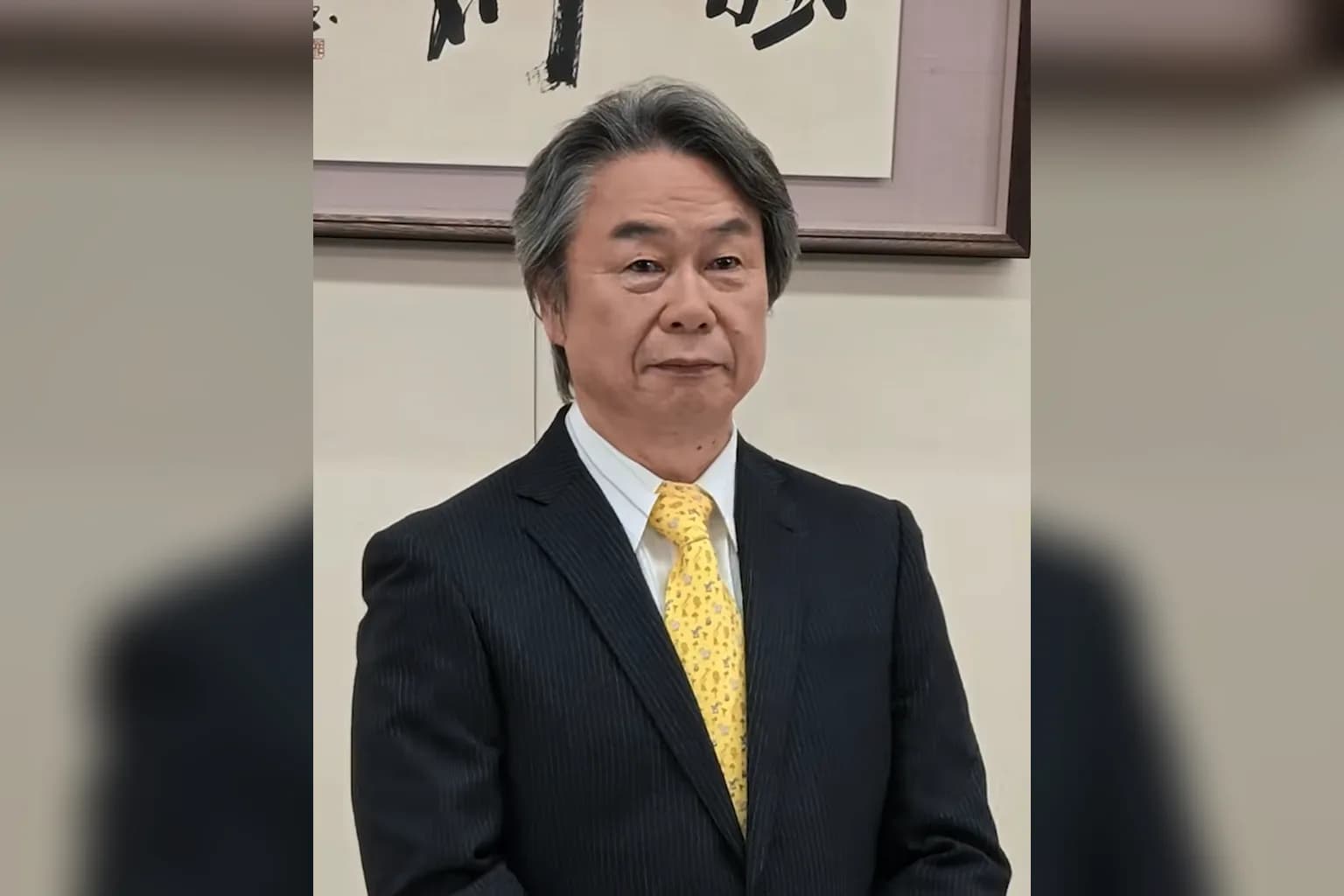
For game makers weighing generative AI, Shigeru Miyamoto’s argument is that software can help with production while people remain responsible for a game’s structure and direction.
Miyamoto, the Nintendo game designer selected for Japan’s Order of Culture, spoke at a press conference at the company’s Kyoto head office after the selection was announced. The press conference ran for about an hour.
He separated ‘making a game’ from ‘working on one’. In his account, AI is chiefly suited to the latter: ‘working’, through filling gaps and polishing.
Making, he said, means deciding a work’s structure and direction. That distinction puts the central creative choice before the production process, rather than treating a completed set of tasks as proof that a game has found its purpose.
Miyamoto cautioned that ‘the satisfaction of doing the work can trick you into thinking you’ve made something good when you haven’t’. He said ‘work that lasts comes from people deliberately designing something with a computer’s help’.
He added that ‘humans still have a lot to contribute’, while accepting that ‘AI might one day handle all of it’.
A translation of the comments circulated through r/gamedev before the Game Dev Report newsletter covered it on 1 November.
The question has already reached the platforms where games are sold. Valve requires developers to disclose AI-generated content on Steam store pages. At an event in Korea last month, Valve also commented on wanting to fix discovery for players, in reporting published on 28 October.





Comments (0)