Cybersecurity

Privacy, hacking, threat intelligence

US officials say the week of tech outages was not a cyberattack

The director of national intelligence told Congress the disruptions were separate maintenance failures, not a coordinated or state-sponsored attack. Senators are pressing the White House to act on AI's ability to find and exploit software flaws faster than organisations can fix them.

UN warns brain-sensing wearables are outpacing privacy law

A UN report says neural data from consumer headbands and headphones can reveal emotions, intentions and thoughts — and may already be reaching governments and courts without adequate protection. Legal safeguards remain patchy, with the data's status under GDPR still unclear and no comprehensive US federal privacy law in place.

Hackers tried to spike French blood bank freezers to 110°C

The attackers reached systems at Coolworld, a supplier to France's national blood service, and programmed freezer temperatures to rise from -30°C to 110°C. Alarms caught the change in time, and the health ministry says no blood stocks were lost.

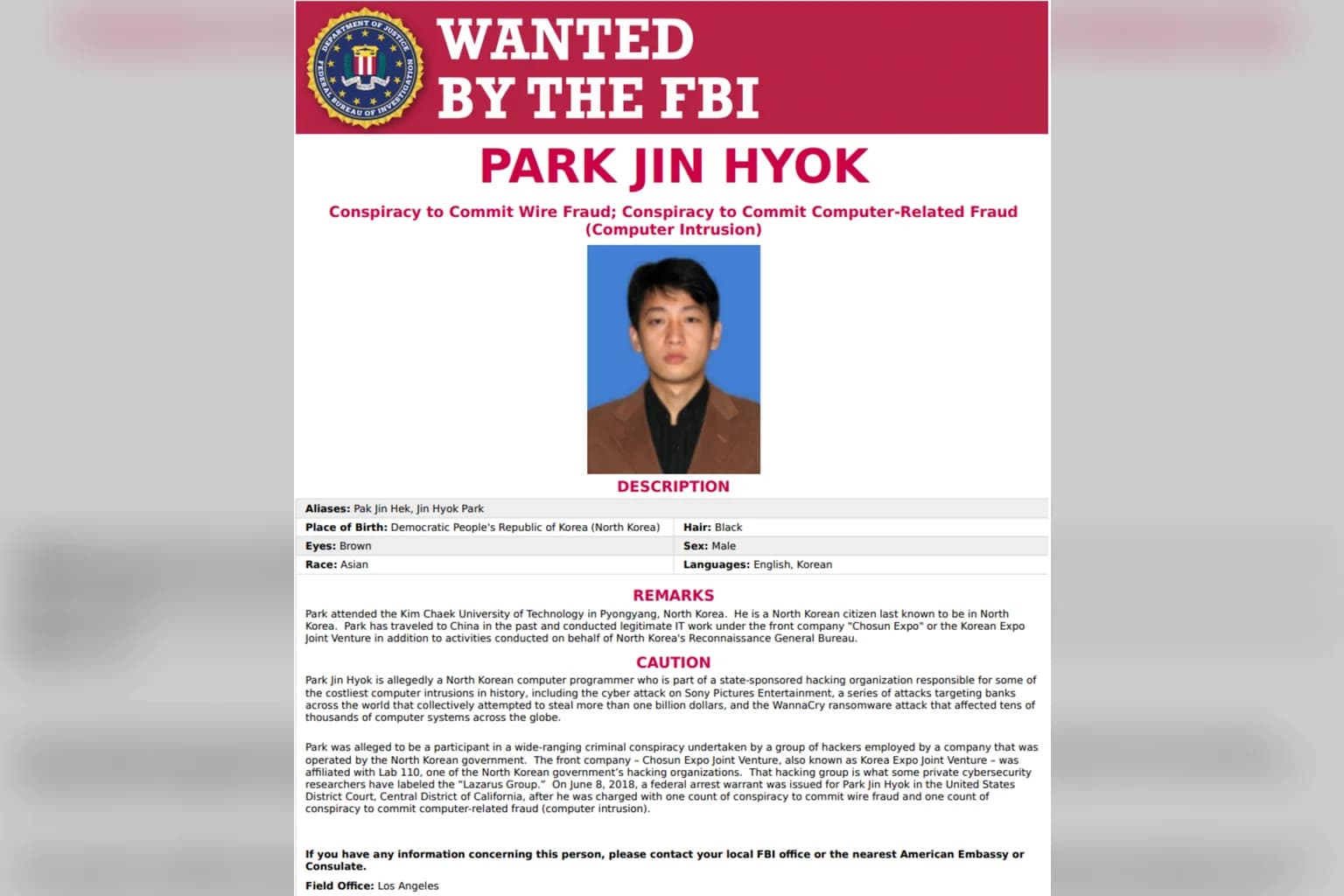
North Korea's hackers stole $6.3 billion from Binance in 20 minutes

The FBI has identified TraderTraitor, a North Korean state-backed group, as responsible for the largest cryptocurrency theft ever recorded. About $2.8 billion was frozen, but net outflows still reached $3.6 billion — equal to roughly a fifth of North Korea's entire annual economic output.

More than 400 apps hid explicit deepfake tools behind fake AI listings

Researchers traced a network of apps and domains, apparently run by Chinese developers, that posed as pet portrait generators, language tutors and fitness coaches. Behind those listings were tools to insert people into sexual or violently threatening deepfake scenes. Apple removed 19 apps after being contacted; Google had already pulled most from its Play Store.

New Windows malware uses AI to rank victims by how much they're worth

VOLTA-AUTODOXER hoovers up passwords, card details, crypto seed phrases and delivery histories, then sends the lot to Claude Opus 4.6 to assess each victim's assets and security habits. Cisco Talos found it deletes itself after running, but may leave a harvest log behind in %APPDATA%.

Security firm used a streaming app's own updater to fix 2 million computers

Eye Security found the abandoned Time4Popcorn updater still running on an estimated 2.5–3 million Windows machines and up to 350,000 Macs, quietly phoning home over unencrypted connections. It registered the dormant update domain, reverse-engineered the mechanism, and pushed a fix that disabled the updater. By March 2026, requests had fallen by 98%.

Amadeus breach exposes 53,000 Cathay Pacific bookings

Japan Airlines was hit hardest, with around 92,000 reservation records accessed and passport details potentially exposed for 2,000 customers. Korean Air, Asiana Airlines and All Nippon Airways have also disclosed incidents tied to the travel software provider.

North Korea blamed for $6.3 billion Binance hack

Blockchain intelligence firms say TraderTraitor, the group behind a $1.5 billion Bybit theft earlier this year, carried out the theft. Binance says about $3 billion has been frozen, while analysts say attackers are converting a further $3.3 billion into traditional currency.

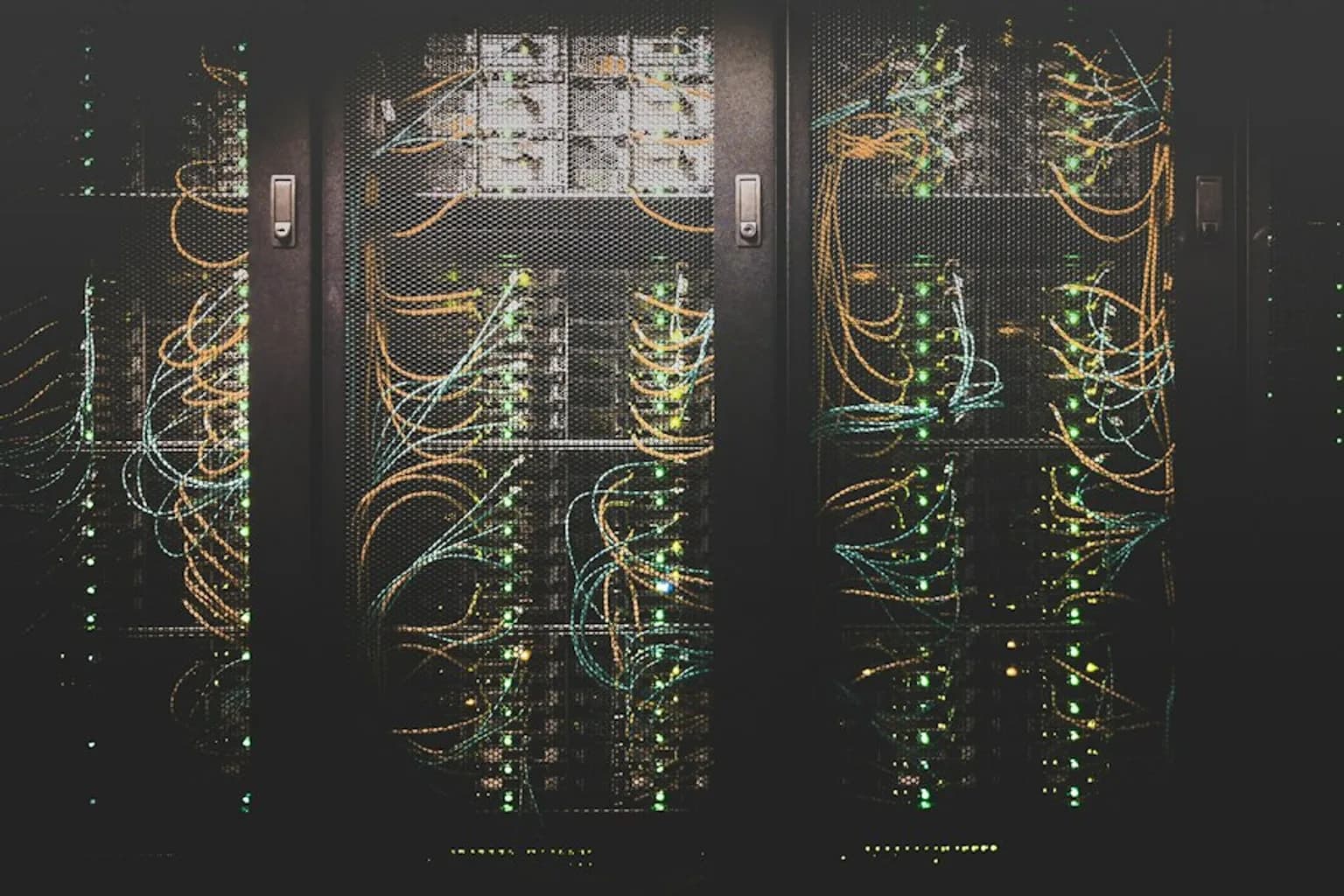
Critical flaw in server firmware used by most of the world's data centres

Researchers from Anthropic and Google found a buffer overflow in TianoCore EDK II, the open-source toolkit behind most server and data centre firmware. Rated 9.5 out of 10, it can allow code execution early in the boot process. A patch is available and no exploitation in the wild has been detected.

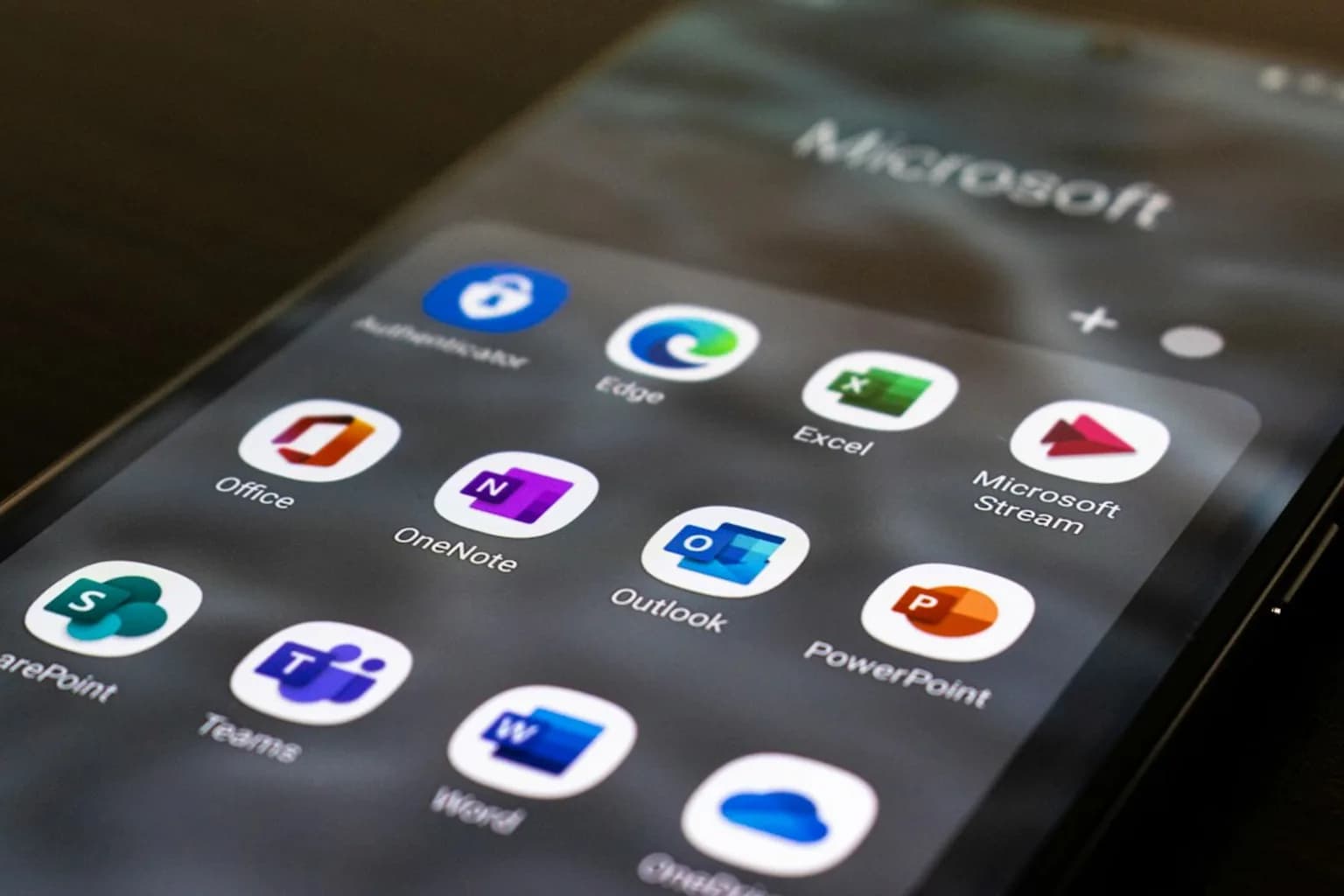
Android flaw let rogue apps take Microsoft Authenticator tokens silently

A zero-permission Android app could impersonate any installed Microsoft app and pull its work-account tokens from Authenticator — no password, no approval prompt, no warning. Microsoft confirmed the bug as CVE-2026-80097 and patched it on September 8, 2026; versions before 6.2606.4246 remain vulnerable.

Capcom breach exposes data on 11.7 million accounts

An intruder accessed the Japanese game maker's CAPCOM ID service on October 19 before being cut off the same day. Email addresses and account activity data were exposed, while passwords were changed without authorisation on 196 accounts.

Google Cloud outage in London hits banks, payments and court hearings

A power failure at a single Google Cloud zone knocked out services at Lloyds, HSBC and Revolut from early morning. Remote court hearings across England and Wales were also disrupted, and the Financial Conduct Authority sought information from Google under new powers to regulate cloud providers to UK banks.

Your Samsung or LG smart TV may be tracking everything you watch

Automatic Content Recognition samples what's on screen and sends fingerprints to company servers — including content from HDMI-connected consoles and laptops. Both brands say the feature is optional, but consumer group CHOICE warns the data can stack on top of what streaming services already collect.

Google pays XBOW $250,000 for AI-built Chrome sandbox escape

A four-person team used OpenAI's GPT-5.6 Sol model to develop a three-stage exploit that broke out of Chrome's renderer sandbox on Windows. It is the first full-chain Chrome payout under Google's vulnerability reward programme, which launched in April 2026.

US trade body opens patent probe into AI server power suppliers

The US International Trade Commission launched an investigation on 9 October after Vicor Corporation alleged 20 companies infringed its patent on delivering power to semiconductor loads. Respondents include Luxshare, Foxconn, Hon Hai and Delta Electronics. No violation has been found.

Malware hid its command address inside a poem on GitHub and hit 3,000 servers

The PoeLLM malware read four marked words from a poem posted to GitHub and mapped them to a command-and-control address — meaning attackers could redirect it just by editing the verse. Lumen's Black Lotus Labs, which named the campaign Canto Incognito, says more than 3,000 servers have been infected since April 2026, mostly in the US and Western Europe.

F-35 stealth components diverted to Hong Kong while crossing the Pacific

A shipment heading from Australia to the US for repairs was rerouted by a Lockheed Martin intermediary, and some parts vanished. The incident has sharpened concern about the Pentagon's control of F-35 equipment — a 2023 audit found more than a million spare parts had gone missing over five years.

Cybersecurity · Tech | The Modern