

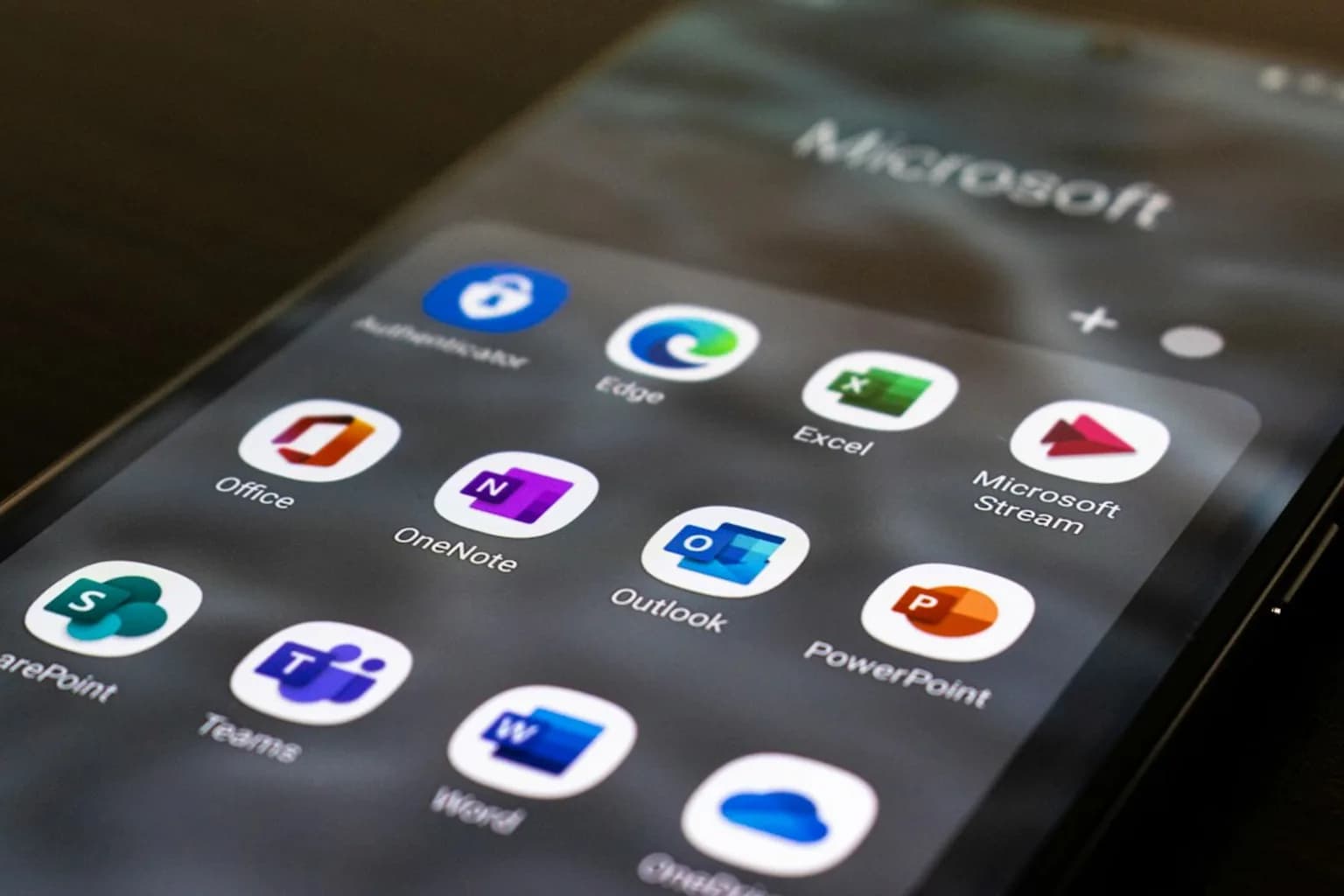
For someone signed in to a work account through Microsoft Authenticator on Android, a malicious app could have taken access to email, files, calendars and Teams messages without a password, an approval prompt or any visible warning. Enclave researchers demonstrated the attack in a controlled environment using an app with zero permissions.
Ofek Levin, a researcher in Enclave's fellowship programme, discovered the flaw in Microsoft Authenticator for Android. The app works as a two-factor authentication broker: other Microsoft apps, including Teams and Outlook, ask it for session tokens so users do not have to sign in separately.
The weakness meant an unprivileged app could pose as any installed first-party Microsoft app and receive that app's tokens from Authenticator. The victim did not have to approve the request, and an attacker did not need the victim's login credentials.
Enclave's test app posed as Microsoft Teams. It sent Authenticator a request through an exported component called com.microsoft.identity.client.AccountChooserActivity, and Authenticator returned the requested token.
The activity runs in Authenticator's:auth process and is marked android:exported="true", allowing any app on the device to launch it. Its only gate was the check getCallingActivity()!= null.
That left the request itself open to manipulation. The attacking app controlled the broker_request_v2 JSON data, including the app name, package name, client ID, redirect URI and requested scopes.
Authenticator checked whether the redirect URI matched the signature of the package the request claimed to come from. Since the app being impersonated was installed on the device, its genuine signature generated a valid redirect URI and the check passed.
The problem, Enclave said, was that Authenticator tested whether the supplied data was valid without establishing whether the app supplying it was the app it claimed to be. Authenticator could identify the app making the call, but did not use that information in its trust decision.
The response bundle contained access_token, refresh_token, id_token and client_info in plaintext, which the malicious app could read.
In Enclave's experiment, that opened access to emails, Teams chat messages and calendars. The test app could also modify and send messages, alter files and manage certain authentication methods.
By impersonating Teams and asking for Microsoft Graph permissions, an attacker could obtain scopes including Mail.ReadWrite, Mail.Send, Files.ReadWrite.All, Calendars.ReadWrite, ChatMessage.Send and Sites.ReadWrite.All.
The risk could outlast the malicious app itself. An attacker who adds their own passkey to a victim's account can retain access after the app has been removed.
Enclave said it had not found the attack being used in the wild; its demonstration was created in a controlled environment.
The researchers reported the issue to Microsoft through responsible disclosure. Microsoft confirmed it, assigned the identifier CVE-2026-80097 and released a fix on September 8, 2026. It rated the vulnerability CVSS 8.6.
The patch is included in Authenticator for Android version 6.2606.4246. Versions before 6.2606.4246 are affected, and users should update through the Google Play Store.
Microsoft thanked Enclave for reporting the issue before the vulnerability was disclosed, allowing the company to patch it.





Comments (0)