Biology

Genes, cells, the living world

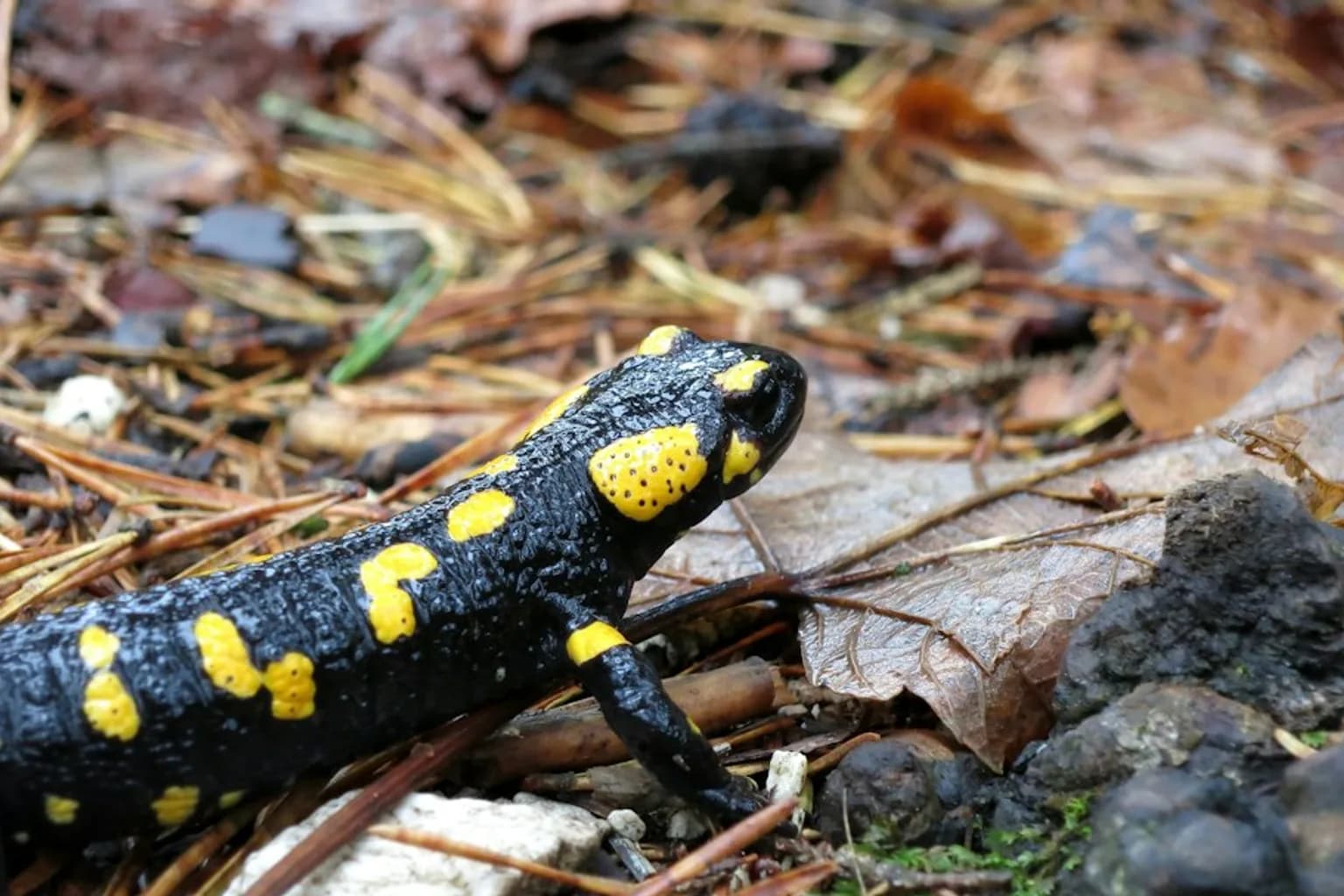
Fire salamanders glow green and cyan under ultraviolet light

The fluorescence comes mainly from the animals' skin glands and their secretions, which can stay lit for more than 24 hours after leaving the body. Researchers think the glow may help the salamanders recognise each other or make their warning colours more visible to predators.

A single-atom tweak makes a plastic-eating enzyme twice as fast

Researchers at the Australian National University swapped one atom in a PET-degrading enzyme and halved the time it takes to break down plastic bottle material — without sacrificing heat resistance. Separately, DeepMind has designed enzymes from scratch, including one that produces a key industrial chemical at 99 times the rate of the existing method.

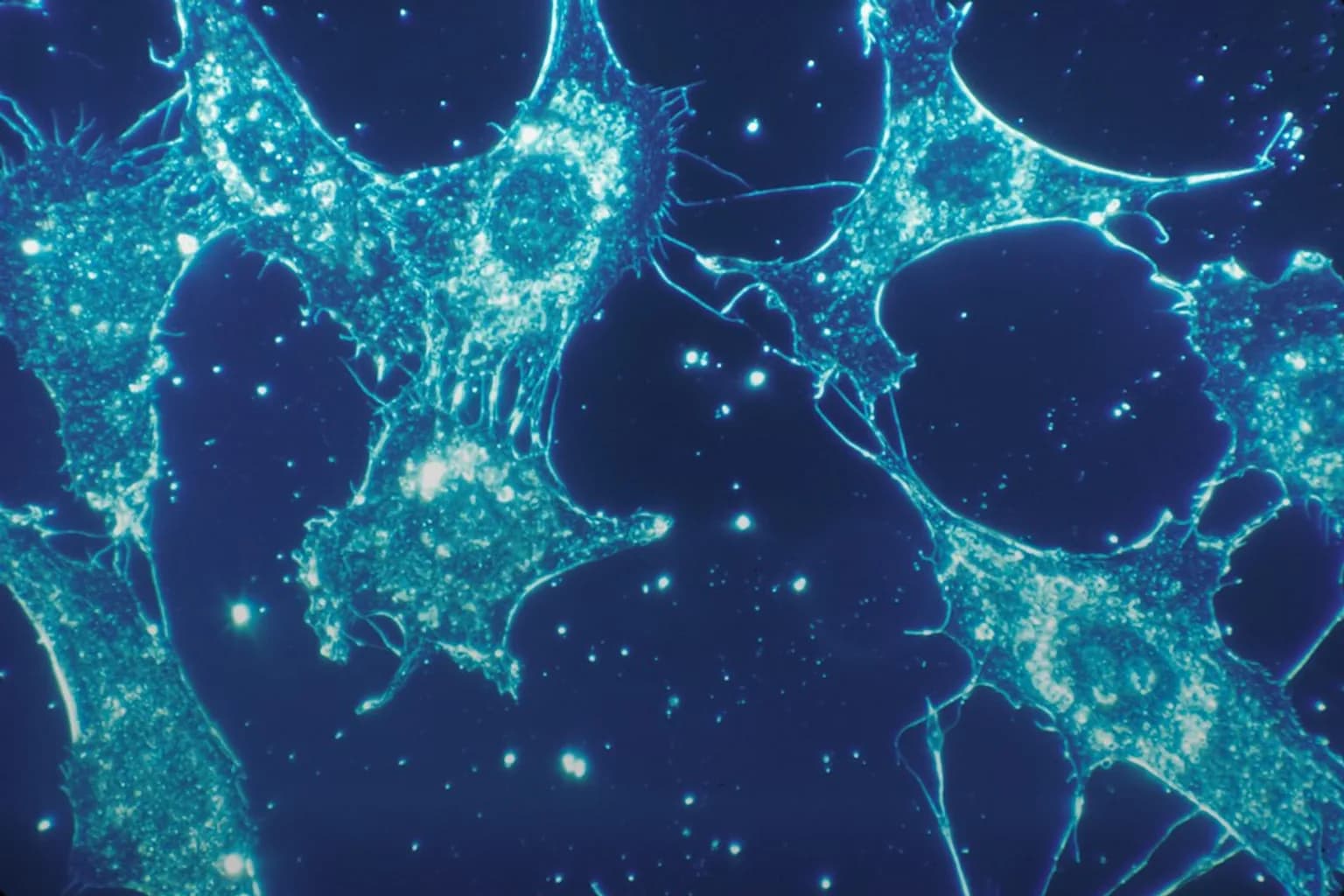
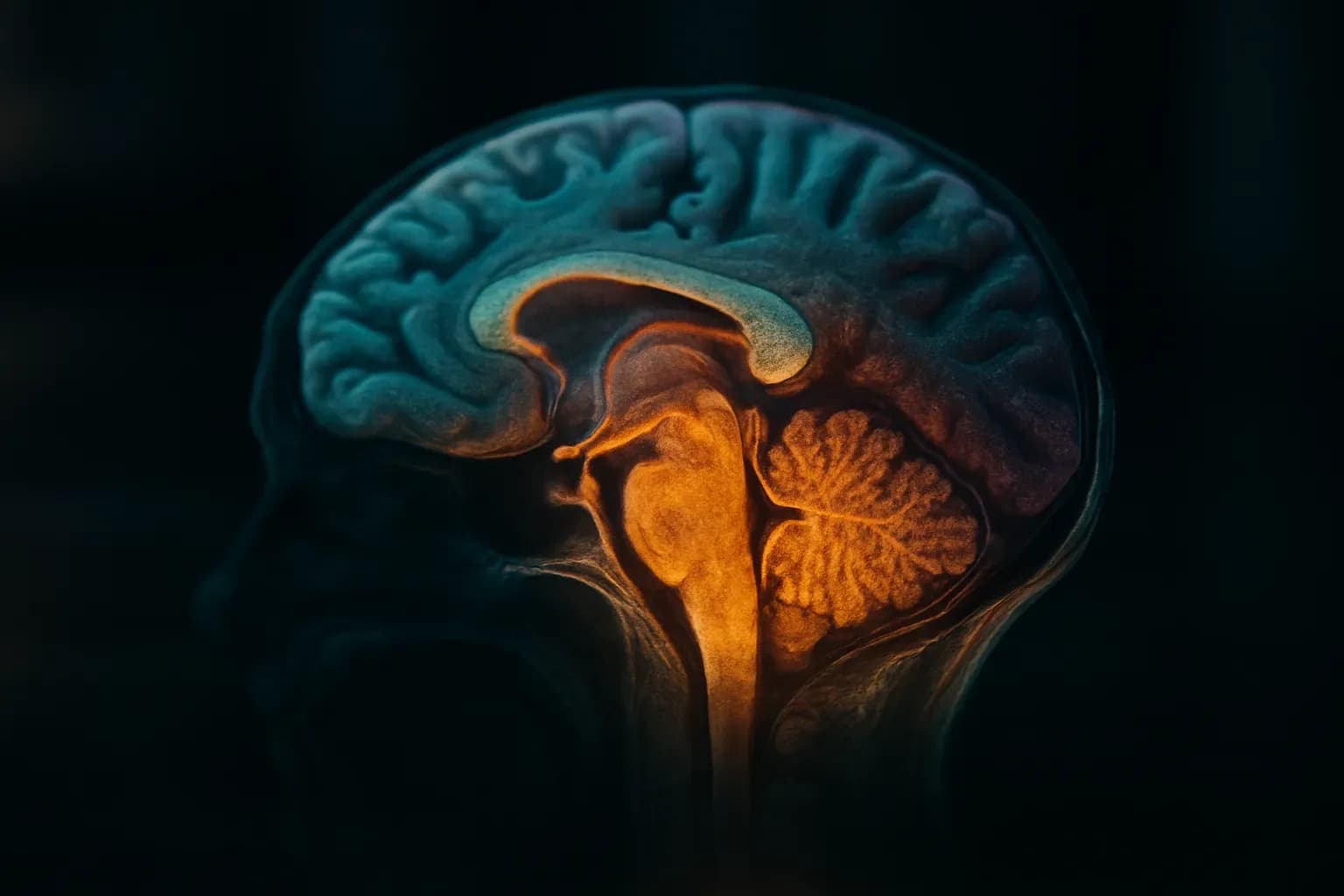
The human brain is two separate organs, Stanford researchers find

Front and back develop from entirely distinct cell populations that never overlap — a pattern preserved across species for at least 550 million years. The discovery has already allowed scientists to grow functional hindbrain motor neurons in the lab for the first time, opening a new path for research into ALS and other brainstem diseases.

Biology · Science | The Modern