Archaeology

Digs, ancient worlds, discoveries

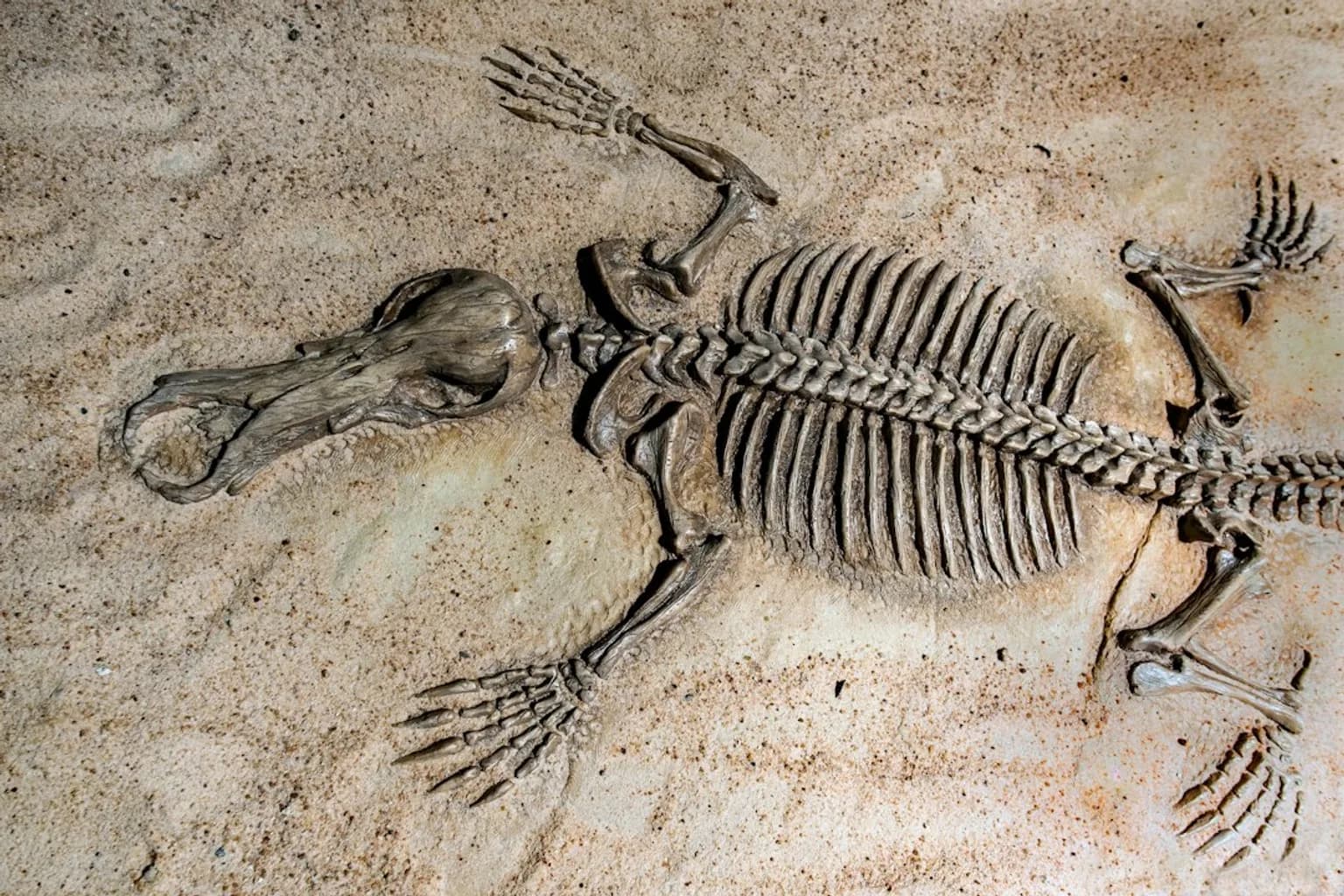
Scientists find what may be red blood cells in a 115-million-year-old dinosaur bone

A team at Curtin University says mineralised cell-like structures in an Aratasaurus leg bone carried heme-derived molecules and collagen amino acids — the first time such chemistry has been linked to fossil blood cells in place. Not everyone is convinced: one leading palaeontologist says the concave structures lack the nuclear bulge a dinosaur red blood cell should show.

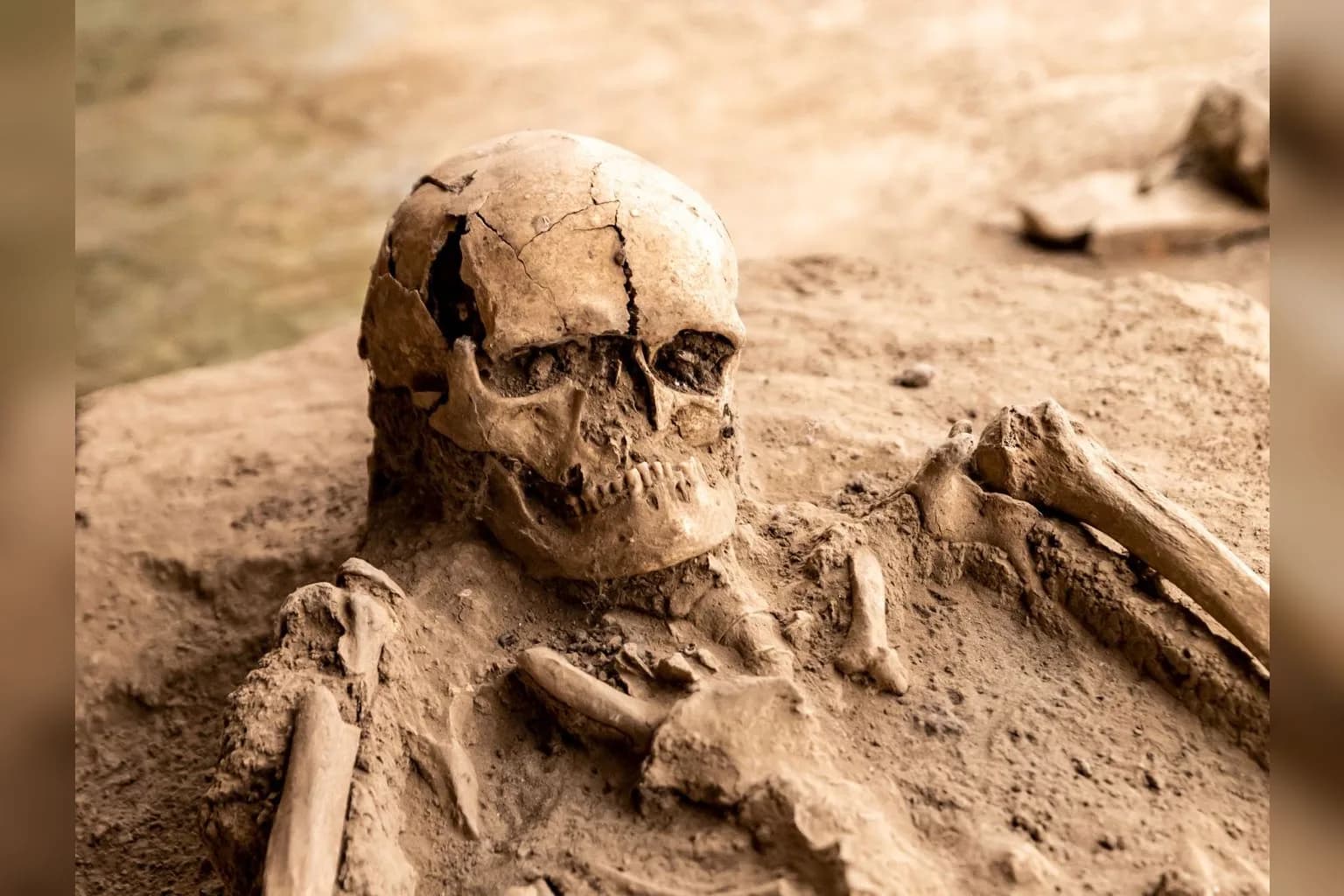
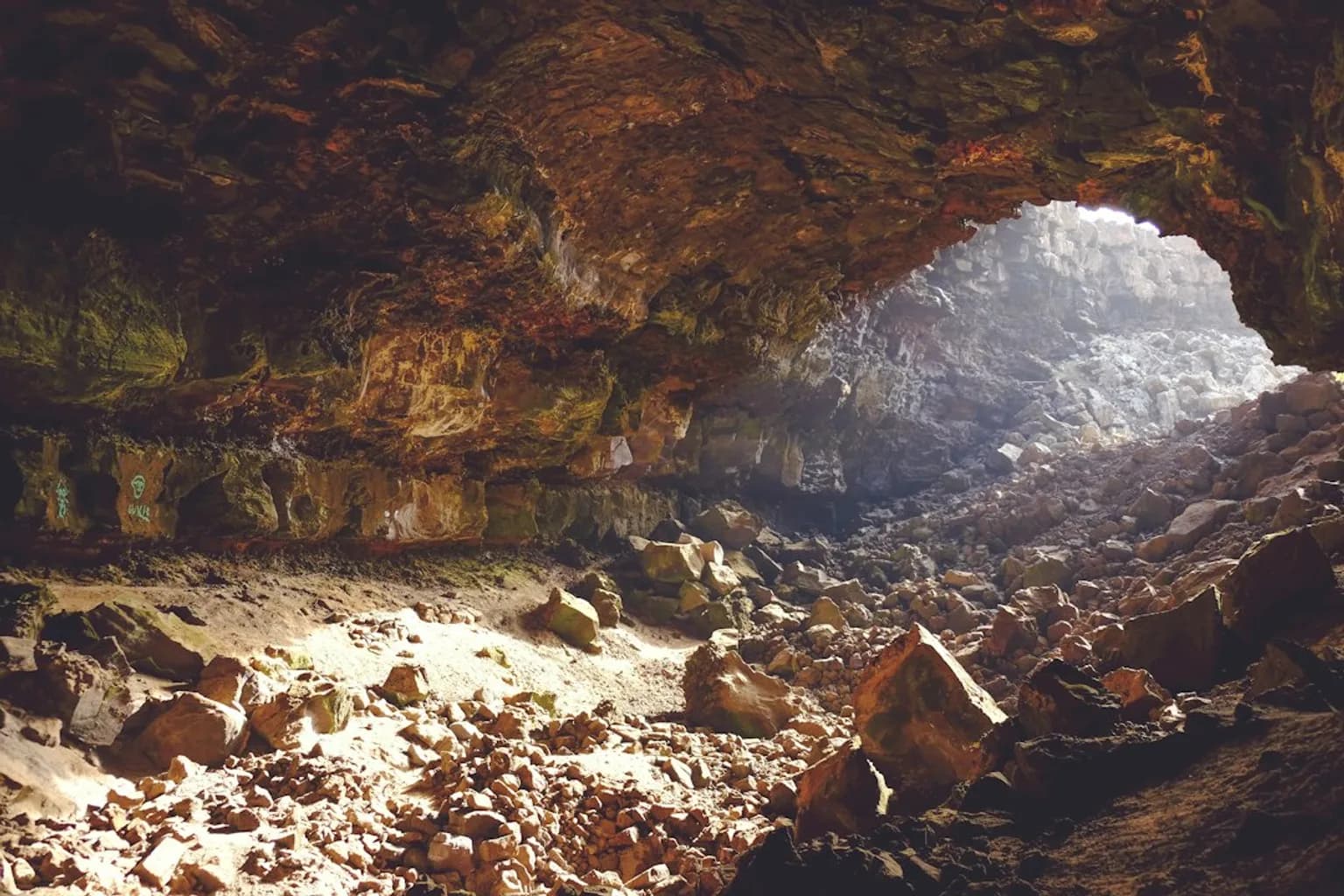
Neanderthal's chest wound points to a spear attack 75,000 years ago

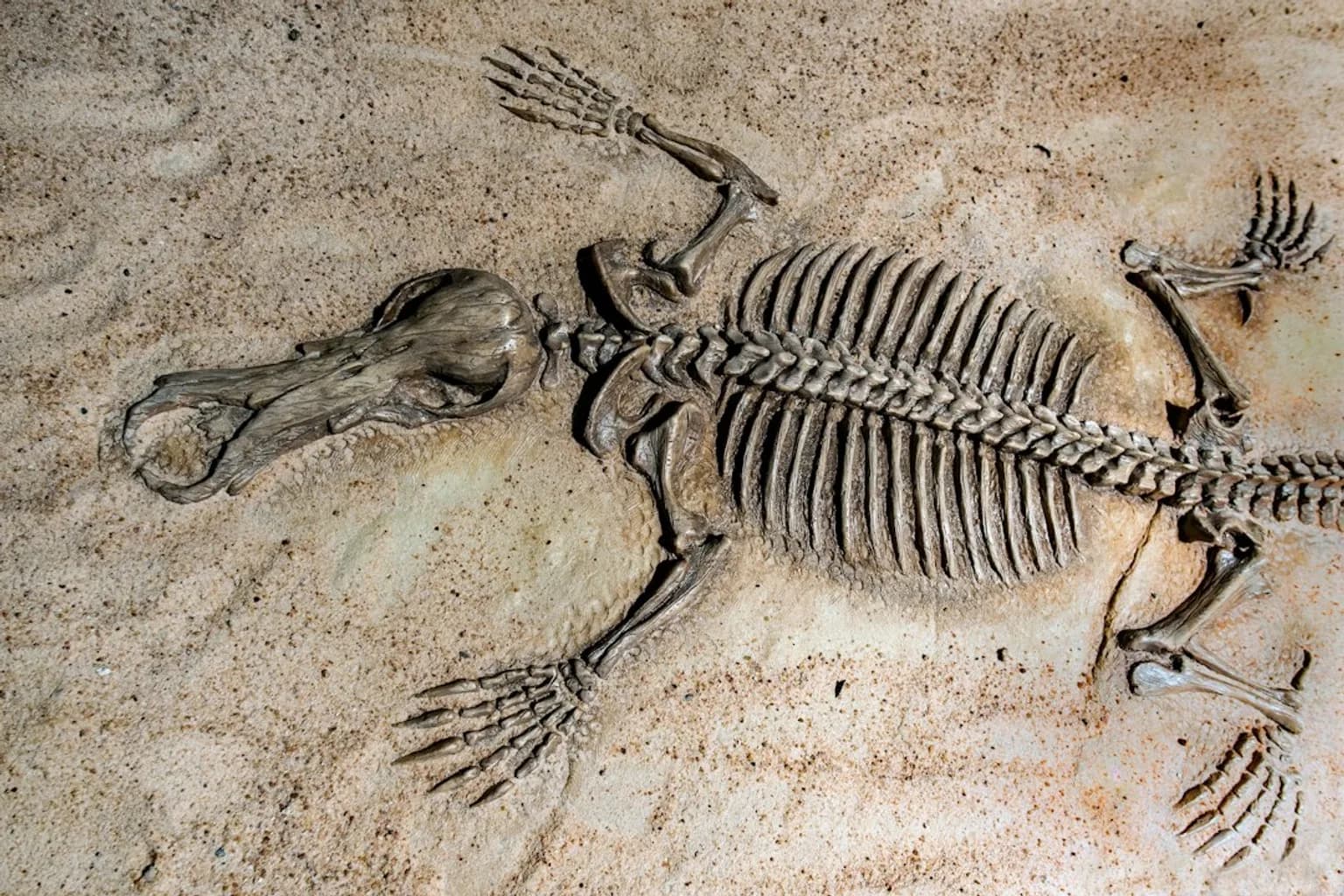
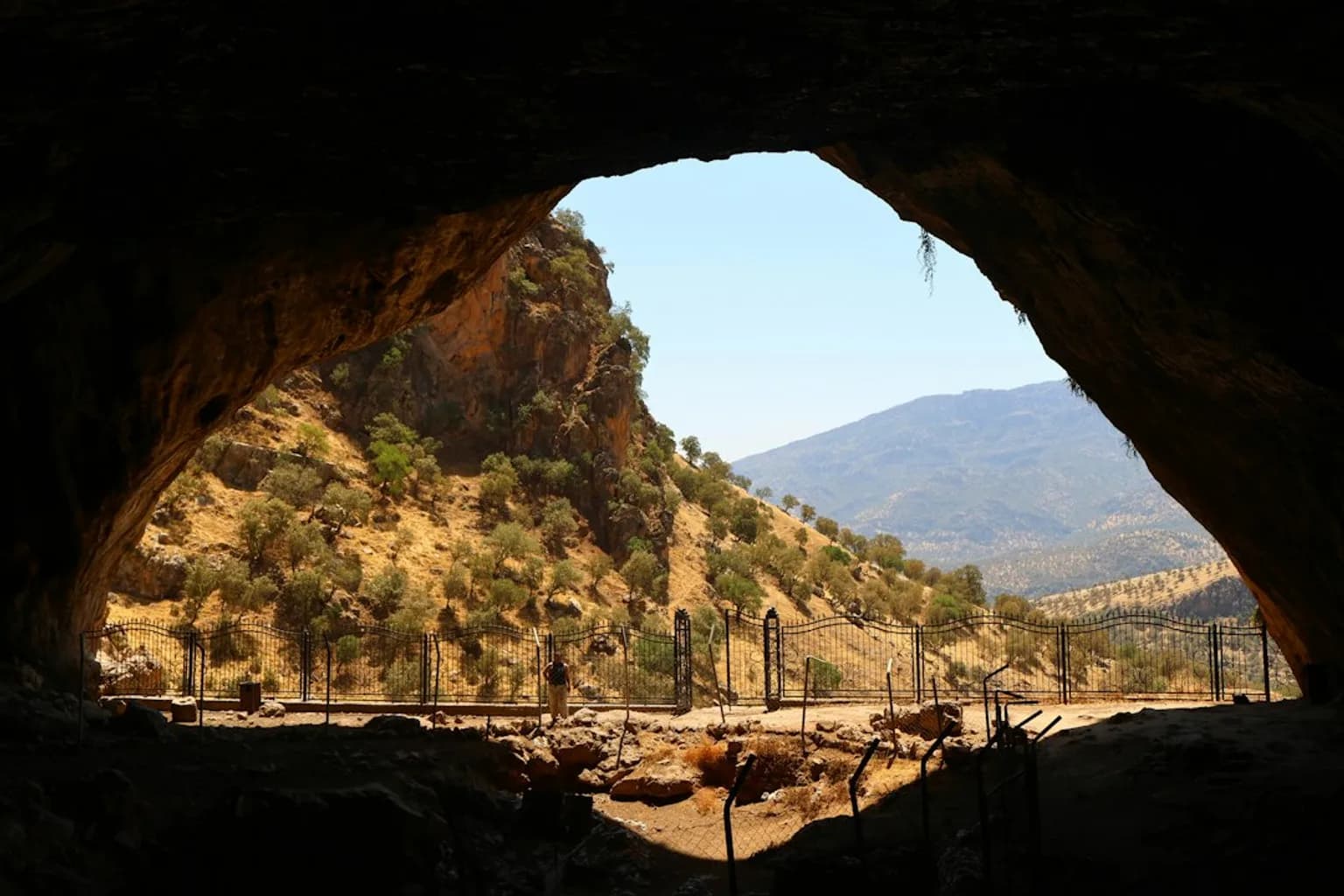
A skeleton from Shanidar Cave in northern Iraq shows a Neanderthal who survived devastating facial injuries was later killed when a wooden spear was driven through the chest. Researchers say the wound's direction and force suggest an intended strike, though whether it was homicide or a hunting accident remains unknown.

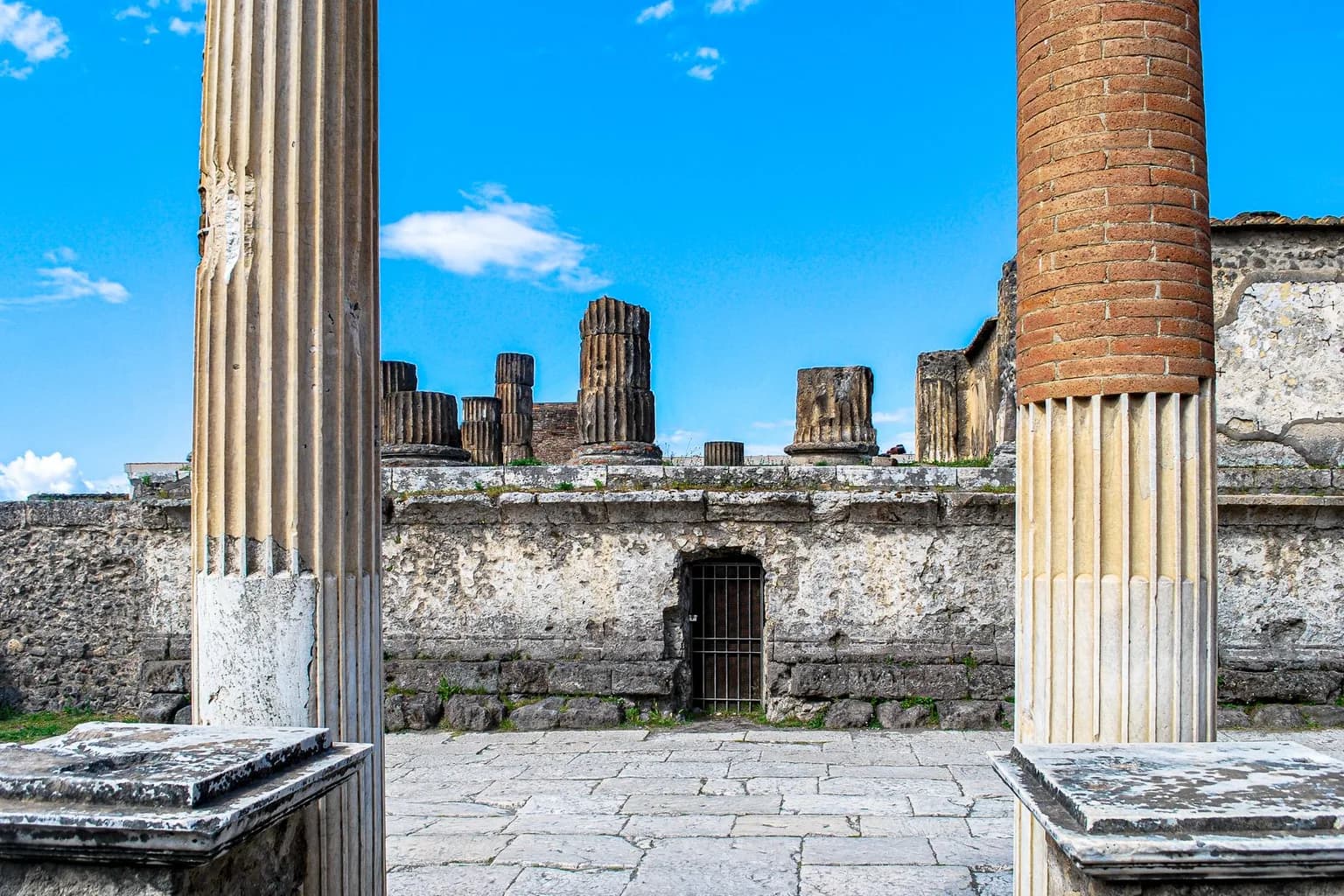
Handheld scanner could flag which unread Herculaneum scrolls are worth opening

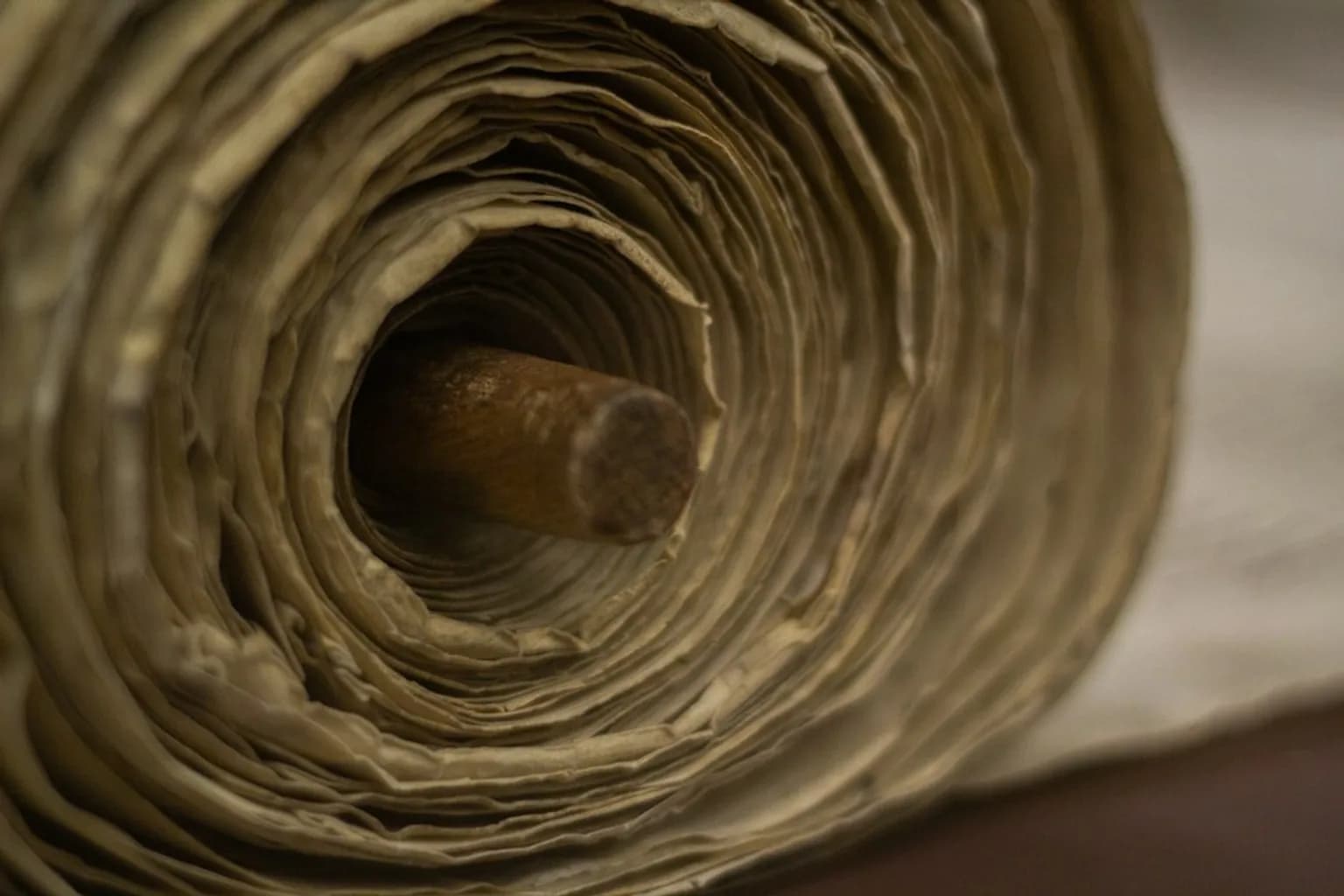
Lead-based ink absorbs up to 25 times more X-rays than charred paper, making it detectable without unwrapping a scroll. Scientists say portable XRF screening could help prioritise the 1,800 carbonised documents still held in Italy, France, and England — though it is not yet known how many of the ancient scrolls actually contain lead.

Archaeology · Science | The Modern