
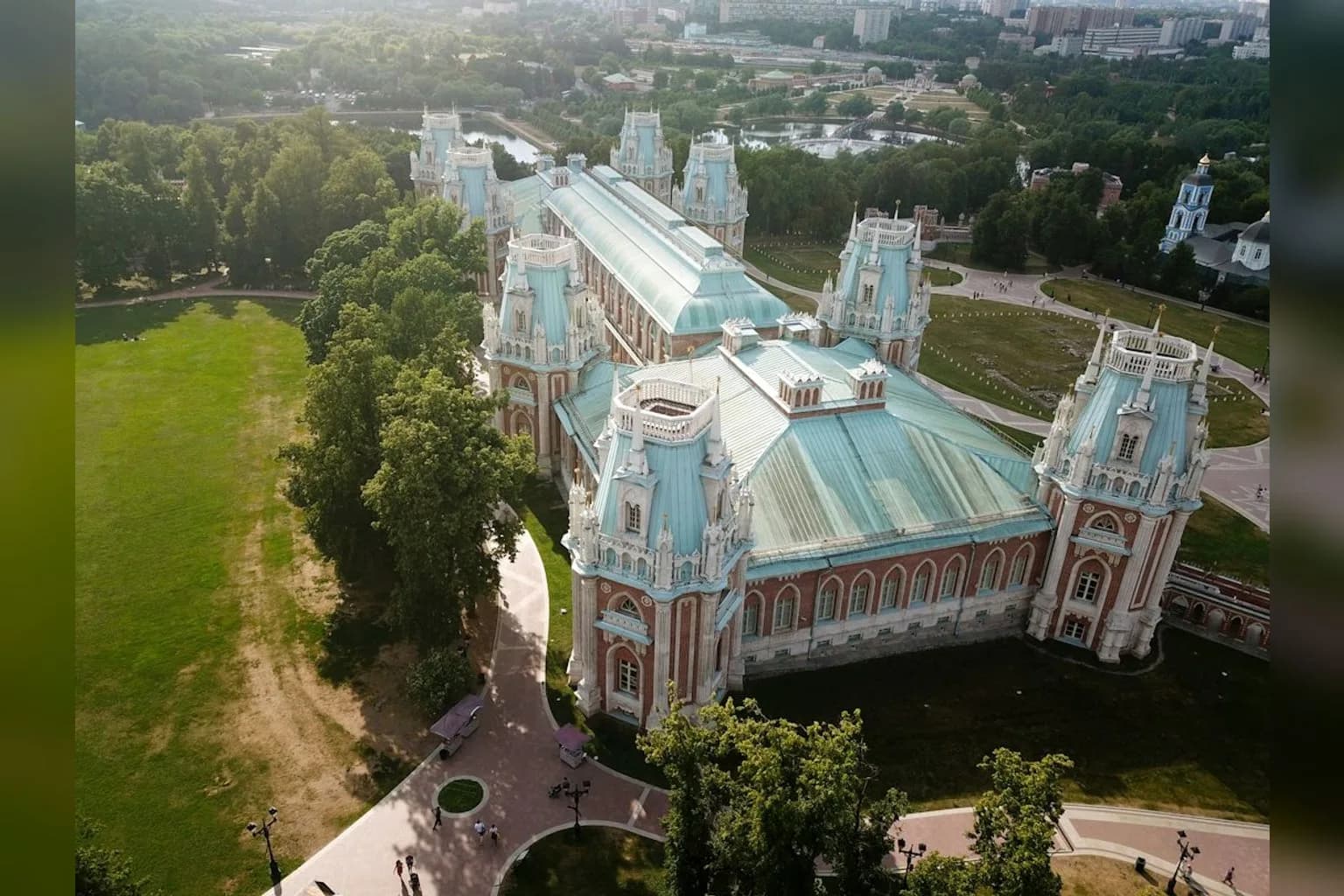
A surgeon has told New Scientist that a person with a complete spinal cord injury received a section of spinal cord from a brain-dead donor in what is being described as the world’s first human spinal cord transplant. The operation took place at Russia’s N.V. Sklifosovsky Research Institute of Emergency Medicine.
Surgeons removed a damaged section of the patient’s spinal cord three years after the injury, then replaced it with donor tissue. The intervention lasted 12 hours and involved Russian and Chinese specialists.
The team included neurosurgeons, microsurgeons, plastic surgeons, orthopedists, anesthesiologists-resuscitators and neurophysiology specialists.
Before the procedure, the patient faced complete immobility. The recipient is reported to be doing well and currently feels well, while the institute says the transplanted tissues remained viable after the operation.
A complete spinal cord injury usually causes paralysis below the site of the injury. Whether donor tissue can repair such an injury, integrate with the recipient’s nervous system and restore function remains unclear.
Some researchers have questioned whether the operation will work and warned that it could leave the patient worse off. Doctors say it is too early to assess the patient’s prospects for functional recovery.
Moscow Mayor Sergey Sobyanin announced the operation through his MAX messenger channel. He said Moscow medicine was developing international cooperation, and described the procedure as an example of work with Chinese colleagues and medical technology transfer.
The institute has carried out transplant operations for 18 years. In December 2025, it reported completing its three-thousandth kidney transplant.
Russian and Chinese surgeons had previously transplanted a right forearm and hand to a 53-year-old man in April 2025, three years after he lost his arm. The patient later could write, button up buttons and drive a car.
In February 2026, doctors performed another procedure, transplanting a left hand with a section of forearm and a right hand to a 42-year-old man.
The doctors hope that work in this new field, alongside international cooperation, will widen the options for people with severe injuries.

Comments (0)