

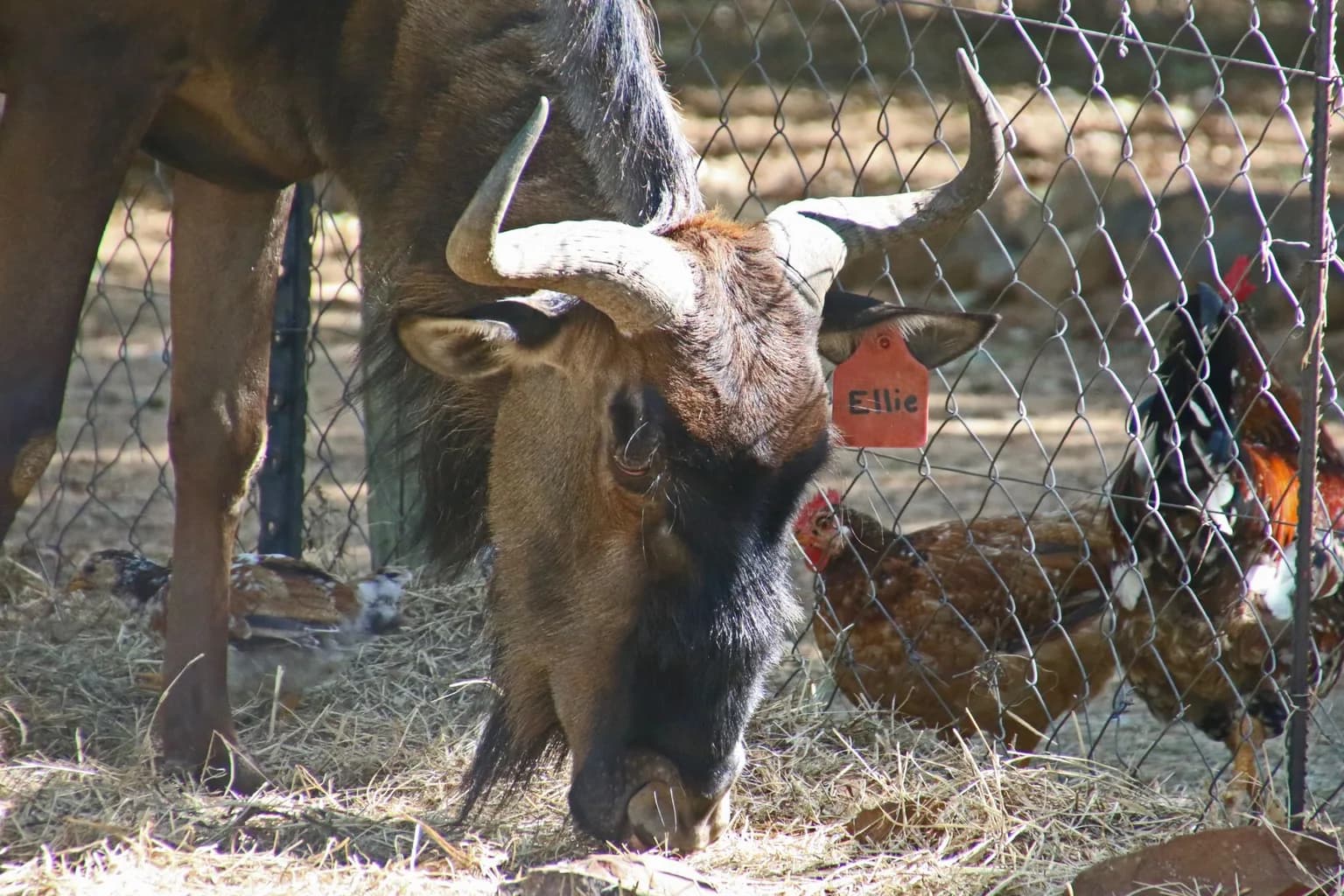
Melissa Groo is trying to end the photography game farm industry. These facilities keep wild animals in captivity so photographers can make pictures for sale through stock sites and magazines, or for award entries.
The appeal is control. The objection is that a carefully made captive image can reach an audience as wildlife photography, leaving viewers with a false sense of how an animal behaves in the wild. Critics have also raised concerns about the conditions in which animals are kept.
The dispute goes to the meaning of an image. A photograph may be aesthetically convincing while concealing the circumstances in which it was made. For buyers, editors and judges, the unresolved issue is whether the captive origin of an image is disclosed and enforced as photographs circulate.
Some competitions have put rules around that question. Glanzlichter der Naturfotografie has run since 1999 and its exhibition travels to 20+ German venues.
Its entrants must mark an image with C (= captive) in the upload tool if it depicts an animal in captivity, including in a zoo, enclosure or game farm, or if it was made under controlled conditions. The competition says it judges work by authentic nature, natural rendering, aesthetic impact and field ethics.
Its jury is renewed every year and includes nature photographers, wildlife and nature conservationists, biologists and figures from the photo industry.
WILD Photo Awards runs monthly competitions throughout the year focused on wild animals and the natural world. Its Animal Portraits and Animal Behaviour categories exclude domestic pets and farm animals, while permitting captive species when their status is declared.
Experienced photographers judge WILD Photo Awards entries anonymously after the closing date, and live baiting is barred.
The results of conservation photography can bring wild and captive subjects into the same exhibition space. The Rewilding Europe Award is held with the German Society for Nature Photography and the European Wildlife Photographer of the Year.
Jan Wieczorek won the award with the black-and-white photograph ‘Urban Beavers’, showing beavers in the city of Olsztyn in Poland.
Christoph Kaula was runner-up with a photograph of a captive European hamster involved in a critical research and conservation project. The award recognised both Wieczorek’s image of beavers and Kaula’s photograph of a captive animal.
Kaula reflected on the contrast: “The beavers thrive independently, yet hamsters call for a concerted effort”.
Jon A. Juarez, a contest judge, put the broader purpose this way: “Rewilding is about restorations, revivals, and shared human-wildlife spaces”.
That landscape includes white-tailed eagles flourishing in Anklamer Stadtbruch, where they are more numerous than anywhere else in Germany. European bison, once extinct, now number over 10,000.
Wildlife photography can also record direct conservation work. Lewis Jefferies’ image ‘A New Generation’ shows a National Lobster Hatchery worker releasing young lobsters in Cornwall.
These examples show why disclosure has become central to the argument. Captive photographs can document conservation work, yet game-farm images can also be sold and celebrated in ways that obscure their staged origins. The dividing line depends on whether the people publishing, buying and judging the pictures know where they came from.


Comments (0)