

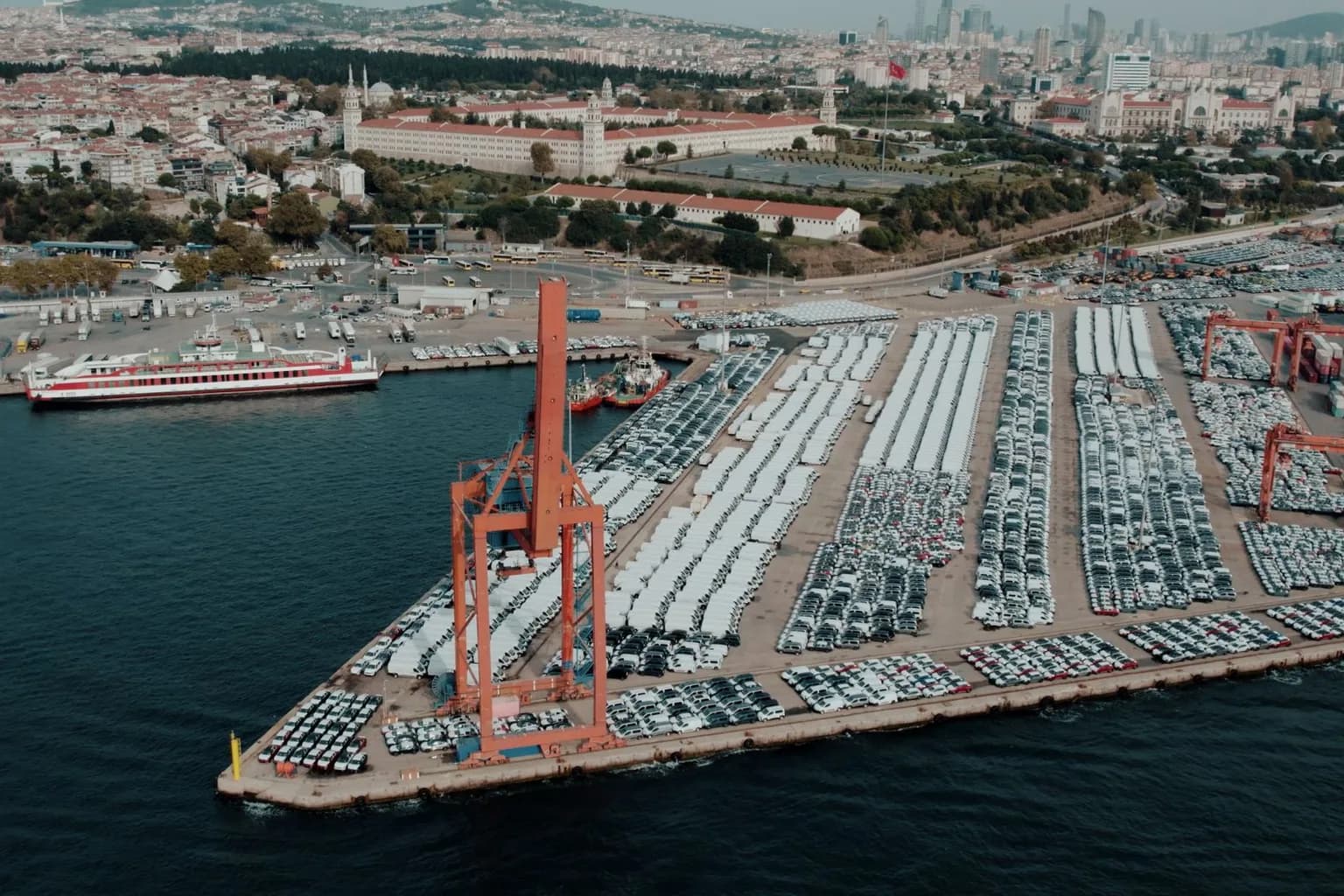
When the EU imposed tariffs on pure battery electric vehicles in 2024, Chinese carmakers responded by rapidly increasing shipments of hybrid and plug-in hybrid models to Europe, avoiding the higher duty penalties while maintaining their momentum in the market.
The flow rose from 107,000 hybrid vehicles imported from China in 2024 to 302,000 in 2025. By July 2026, monthly imports had reached 50,400 units. Chinese brands accounted for roughly one-quarter of hybrid sales in Europe in August 2026, a development that alarmed European manufacturers and led France and Germany to press for EU inquiries into whether subsidised imports were damaging several sectors.
The dispute brought Chinese and EU negotiators to Beijing for the second regular meeting of the China-EU Trade and Investment Consultation Mechanism on 8 and 9 October 2026. The meeting produced 16 consensus outcomes, including four directly concerning automobiles.
Its central result was a preliminary understanding on hybrid-vehicle trade that both sides described as compliant with WTO rules. The objective is to cut China’s hybrid exports to the EU over the next four years by more than half compared with projected levels.
Maroš Šefčovič, the European Commissioner for Trade and Economic Security, said the talks were the first tangible result of three months of engagement between the two sides.
The EU had initially proposed a voluntary export restraint model. China rejected that approach, arguing that quantitative controls conflict with WTO rules.
China’s Ministry of Commerce said on 10 October that the parties had reached an “upward arrangement” based on the 2025 figure of 302,000 units. It described annual imports as initially limited to 350,000 hybrid and plug-in hybrid vehicles, rising by 6 percent a year from 2028 to 2030.
Yet the two sides have not made public the mechanism intended to achieve the reduction. The arrangement also contains no publicly specified annual import quota.
The talks took place after Emmanuel Macron, the French president, and Friedrich Merz, the German chancellor, called in a joint letter released on 5 October for the European Commission to have authority to “cut off access to the European single market if needed.” On 7 October, the European Parliament approved by 454 votes to 86 a resolution describing Chinese industrial policy as an existential threat to the EU.
The pressure reflected a widening imbalance in goods trade. The EU recorded a deficit with China of about 360 billion euros in 2025, while European officials described the figure as more than 360 billion euros, or about 1 billion euros each day. Chinese exports to the EU increased by a further 25 percent in the first eight months of 2026.
Wang Wentao, China’s commerce minister, said on 10 October that the final joint document protected the export interests of Chinese businesses and the stable development of China-EU hybrid-vehicle trade. He disputed the suggestion that China was responsible for the EU’s economic difficulties and raised concerns about European restrictive measures.
The vehicle understanding was part of a wider package. The discussions covered lower tariffs on selected European exports to China, including automotive components, olive oil and footwear, on products with almost 4 billion euros in current European export value. The European Commission estimated that the proposed tariff reductions could save at least 225 million euros in duties.
China also agreed to keep facilitating export licences for rare-earth materials and permanent magnets to the EU through an existing fast-track mechanism.
Francois Provost, Renault’s chief executive, called the outcome “a major milestone for Europe’s auto future.”
EU leaders approved the trade deal with China when their summit ended on 16 October. They also authorised the European Commission to create a toolbox of trade-defence instruments, including a “killer switch” that would allow it to impose quotas and tariffs at a moment’s notice.
The proposed power remains undefined. There is no legal text, defined trigger or agreed scope, and no settled account of what a trade “cut-off” would mean in practice.
The agreement has paused the immediate dispute rather than settled it. EU-China talks are due to resume in January 2027 and March 2027.


Comments (0)