

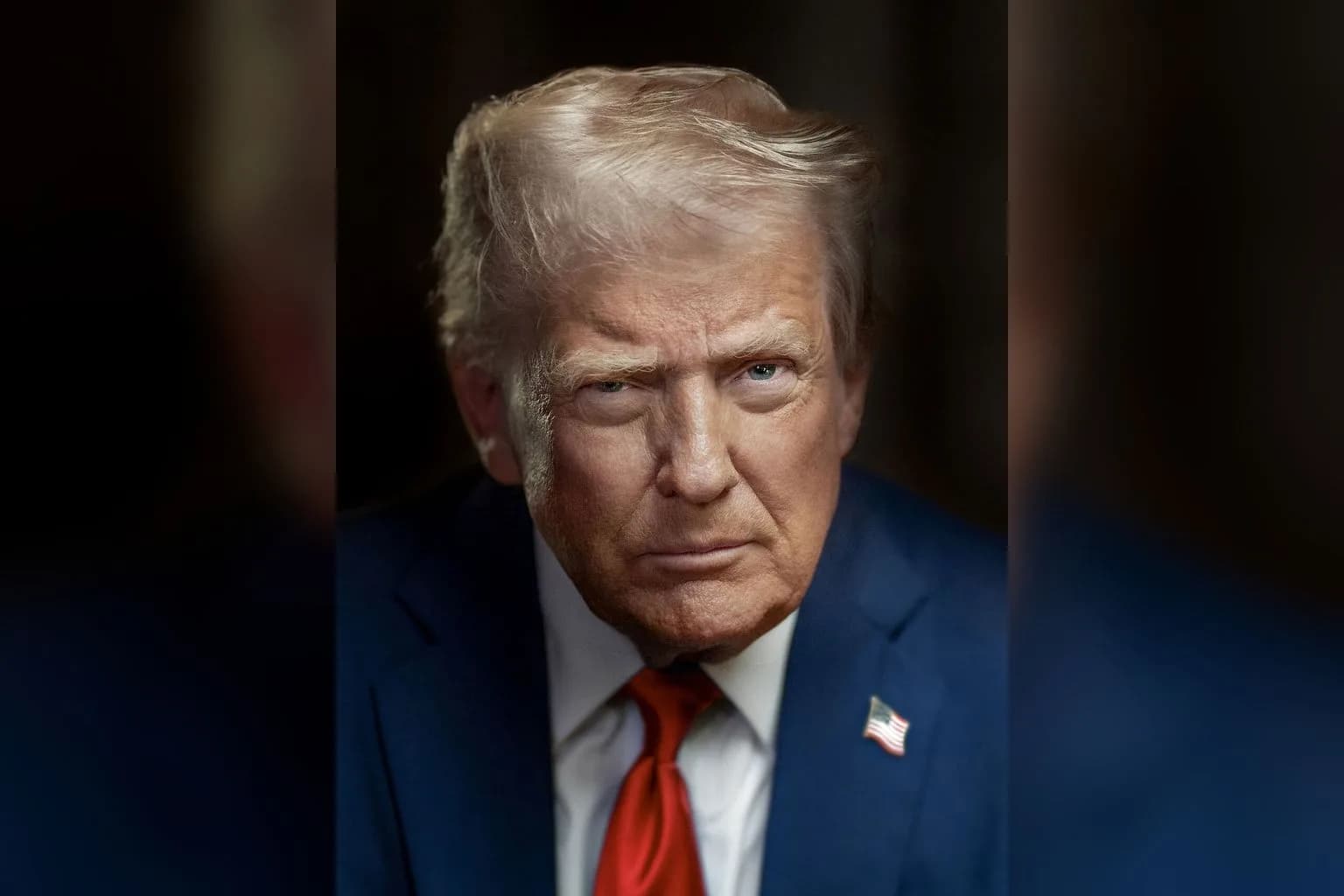
Canadian workers, manufacturers and businesses remain exposed to the disruption caused by the trade rupture while Ottawa and Washington try to settle terms that affect cross-border commerce and Ontario auto plants.
Talks collapsed in August after Canada and the United States reached a deadlock over automobile tariffs, streaming-content rules and language concerning Canada’s freedom to strike trade agreements with other countries. Trump then imposed 50 per cent tariffs on an array of Canadian goods and banned imports of other Canadian products.
Mark Carney, Canada’s prime minister, now says the US has lowered its demands and is offering more as negotiations become more intense. Formal talks are expected to resume for the first time since the summer, with negotiations due to begin in a few days.
Carney announced on social media on Sunday that he had held a ‘good conversation’ with President Donald Trump about the future of trade between the two countries. The call took place on Saturday, according to a spokesperson for the Prime Minister’s Office.
Last week, Carney said there had been a ‘slight intensification’ in talks. On Wednesday, as he arrived for the weekly Liberal national caucus meeting on Parliament Hill, he said Ottawa would agree to a deal only when it suited Canadians’ interests.
Trump gave reporters in Iowa a more confident account on Sunday. Canada and the US had ‘the concept of a very good deal’, he said. He added that the countries were ‘very close’ to an agreement.
The gap from August was considerable. Carney called the earlier US proposal a ‘bad deal’ that ‘asked too much and offered too little’. He said Washington had refused tariff relief for medium- and heavy-duty trucks, a decision that would have affected the viability of General Motors and Ford plants in Ontario.
He also said the US had sought changes to the discoverability of French-language content on online streaming services. Washington had proposed wording that Ottawa believed could limit Canada’s ability to make trade agreements with other countries, Carney said.
Keystone XL has also entered the bargaining. Carney raised the prospect of reviving the project almost a year ago as part of a wider proposal linking energy co-operation with support for Canada’s steel and aluminum sectors. Trump said on Sunday that the pipeline was part of the negotiations and that Canada would pay for ‘all of it.’
Keystone XL could carry more than 800,000 barrels of additional oil from Alberta to the US. Former president Joe Biden killed the project by revoking a key US permit in 2021. Trump signed an executive order in April approving a new pipeline that would use existing parts of the abandoned Keystone project.
Trump’s view of the negotiation remains plain. ‘We’ve been losing money for many years with Canada,’ he said.
Carney said his teams would work ‘in the coming weeks’ towards an outcome that creates jobs, improves affordability and respects Canada’s languages, culture and sovereignty. Pierre Poilievre, the Conservative Leader, said: ‘The prime minister promised in the last election he would get an even better deal than we had before. He’s broken that promise so far.’




Comments (0)