

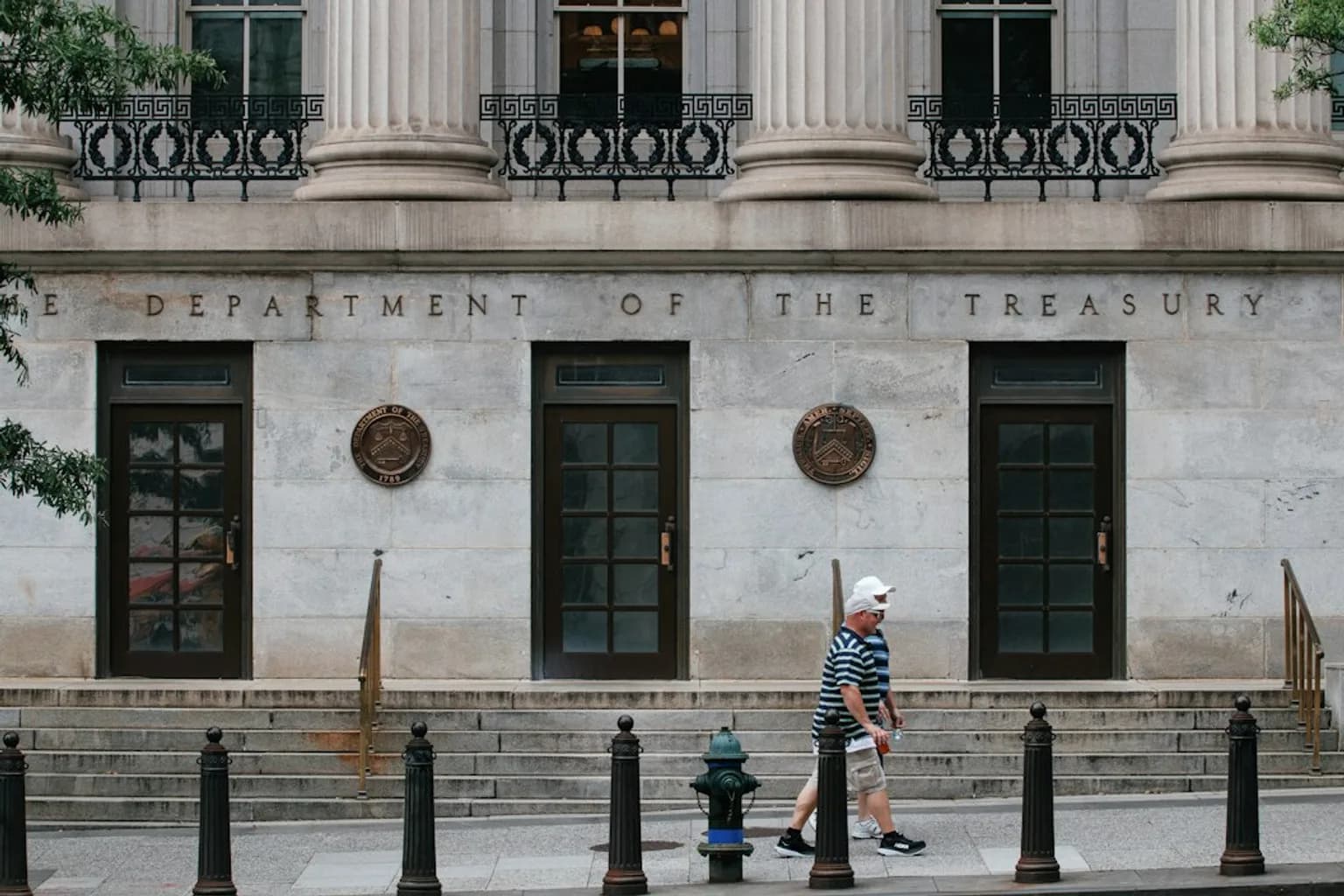
Chinese biotechnology shares fell in Hong Kong after the Treasury Department unveiled proposed new screening rules for US investment. Genscript Biotech dropped as much as 14%, while Insilico Medicine slipped 5.2% and Duality Biotherapeutics fell 3.9%.
The proposal, announced on Thursday and published on 22 October 2026, would add biotechnology to the US list of sensitive technologies covered by outbound investment restrictions on national security grounds.
It would extend an existing programme that already covers investments in areas including artificial intelligence, semiconductors and quantum computing. The new rules would also restrict investment in Chinese companies developing brain-computer interfaces.
US investors would have to notify the government about certain transactions involving foreign companies developing sensitive technologies. Other transactions would be barred altogether.
Chris Pilkerton, a Treasury assistant secretary, said: “The idea behind the outbound program is to ensure that we have the ability to monitor and potentially prohibit the types of investments that pose risks to US national security”.
The rules are aimed at investment in China and other countries deemed adversaries. The outbound programme first applied to China alone. The Comprehensive Outbound Investment National Security Act of 2025, known as the COINS Act, expanded the countries of concern to Cuba, Iran, North Korea, Russia and Venezuela.
Treasury has since removed Venezuela from that list, saying Maduro’s government no longer exists following the capture of the former president by US forces in January.
The COINS Act passed Congress in December after growing from a bipartisan effort that began under former President Joe Biden in 2023.
The biotechnology addition reaches into a field where Chinese companies have become a source of pharmaceutical innovation. US drugmakers are increasingly turning to China to license promising therapies as they seek to replenish their pipelines. The restrictions could therefore complicate financial relations between the US and China.
John Crowley, president of BIO, the Biotechnology Innovation Organization, warned against overly broad restrictions in a statement. “We cannot restrict our way to success”, he said.
The proposal follows Congress’s passage of the Biosecure Act last year, which restricted federal agencies and government-funded companies from using or procuring services from designated Chinese biotechnology firms.
Treasury is accepting public comments through December 7. The restrictions will take effect only after that process is complete.





Comments (0)