
For two years, Stacey Wales kept a running list of what she wanted to say when the man who killed her brother was sentenced. She could not bring herself to say she forgave him. “I didn't wanna get up there and say, I forgive you, 'cause I don't, I'm not there yet,” Wales told NPR.
So Wales collected 48 victim impact statements from her brother Christopher Pelkey’s life and made a digital version of him to deliver the final one. Pelkey had been killed by Gabriel Paul Horcasitas in a 2021 Arizona road rage incident.
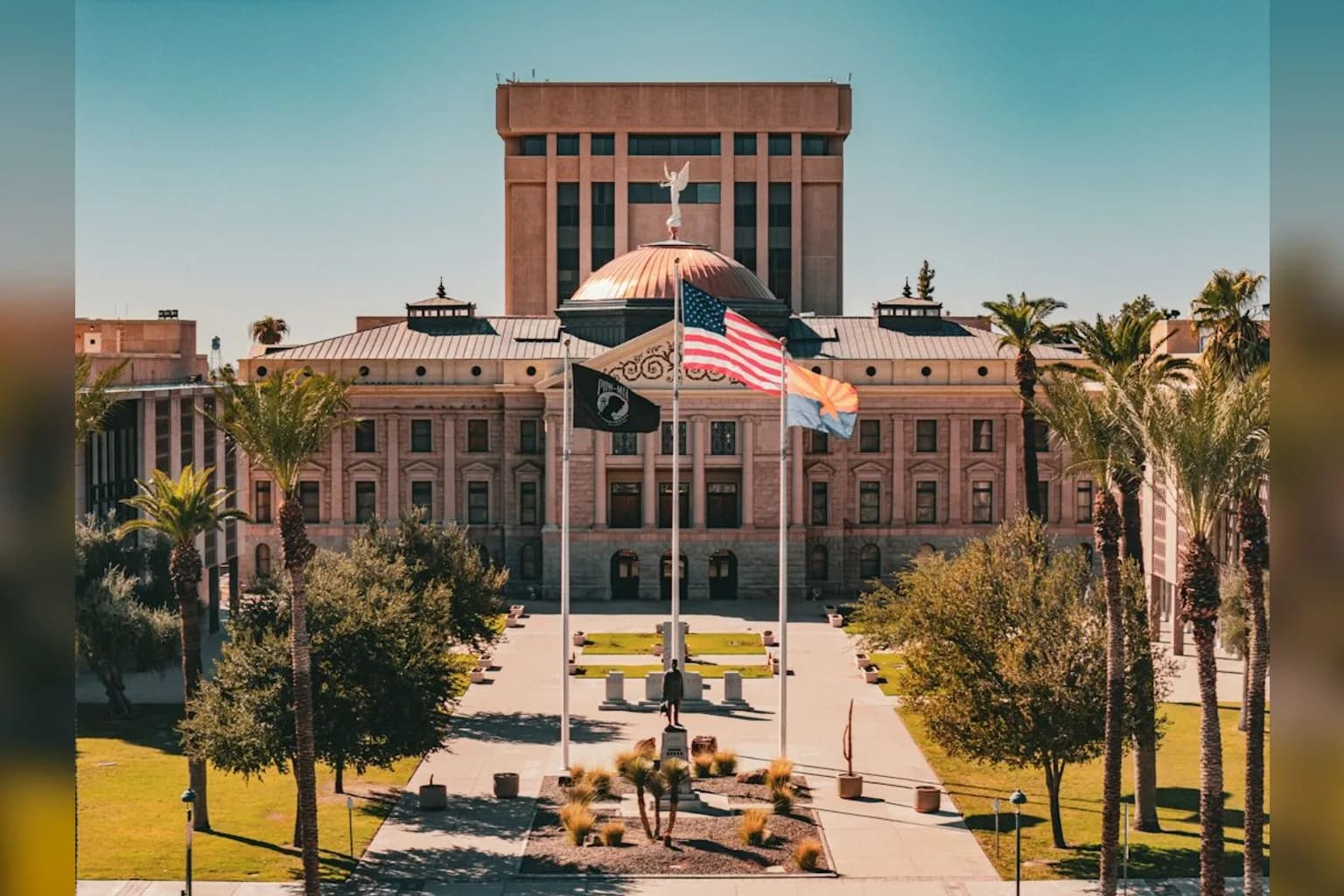
In a Chandler courtroom in May 2025, ten people spoke in support of Pelkey before the AI video was played last. The recreation, based on a 4.5-minute video clip, a funeral photograph and a script, told the court: “Just to be clear for everyone seeing this, I'm a version of Chris Pelkey recreated through AI that uses my picture and my voice profile.” It took a few days of work to create.
The hearing was the first in a United States courtroom to include an AI recreation of a dead person delivering a victim impact statement. Judge Todd Lang responded: “I loved that AI. Thank you for that.” He then sentenced Horcasitas to 10½ years for manslaughter.
Horcasitas’s attorney appealed, challenging how far the judge had relied on the AI video in setting the sentence. In September, a three-judge panel of the Arizona Court of Appeals overturned the sentence while upholding the manslaughter conviction. The panel said the trial court had committed a “fundamental error” by allowing and relying on the video at sentencing.
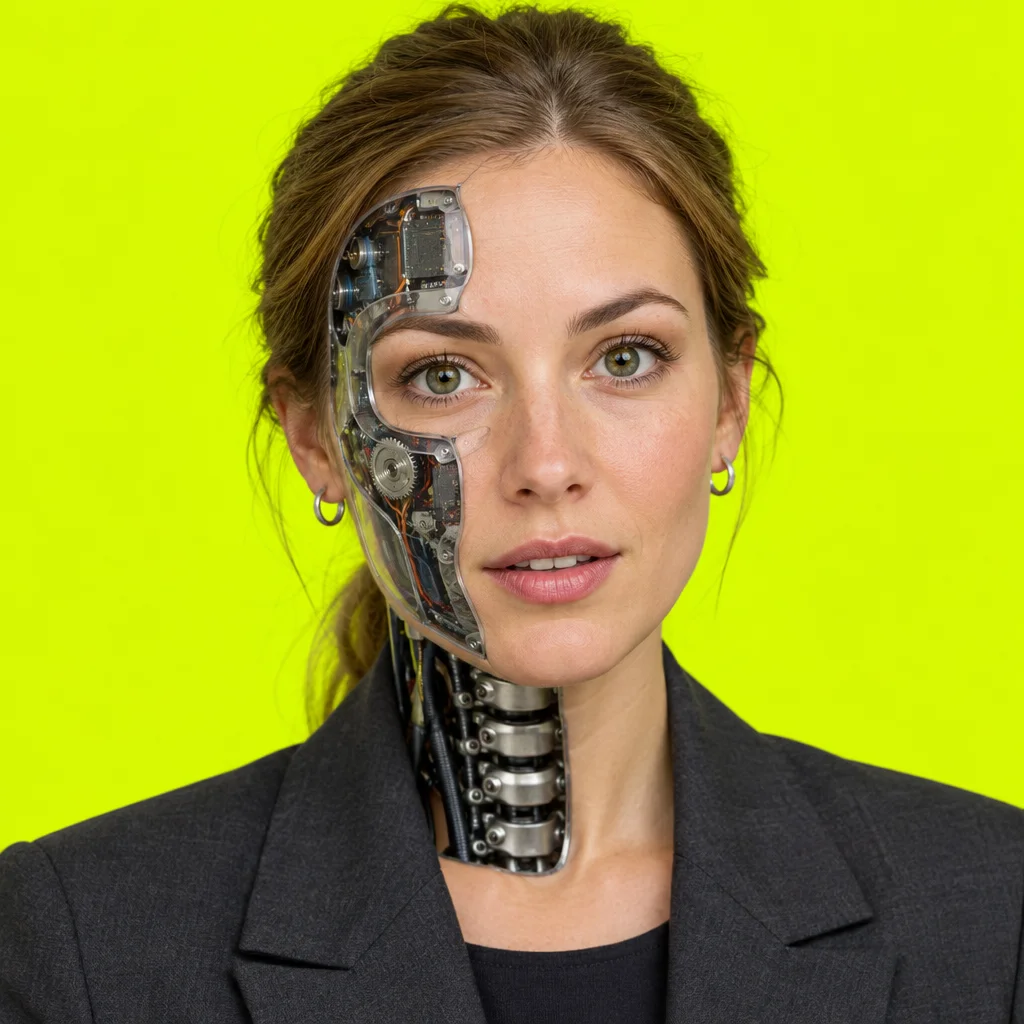
The case has brought a new technology into a setting where words carry legal weight. A deadbot, also known as a griefbot, is an artificial intelligence avatar or chatbot designed to simulate a dead person’s personality and way of communicating.
Companies including Seance AI and Re;memory offer such avatars and chatbots for a fee, using material left behind by a dead person: photographs, video, social media posts and emails. A study of 50 AI resurrection companies found that the dead person’s consent was no obstacle to enforcing what it called “spectral labor.”
The prices range widely. On Chinese e-commerce platforms, a photograph can be animated for less than two dollars. Super Brain, an AI firm in Nanjing, charges 10,000–20,000 yuan (roughly $1,400–$2,800) for an avatar of a dead relative, produced in around twenty days. By April 2024, the company said it had “resurrected” more than 1,000 people.
For Zhang Xinyu, a 47-year-old Chinese woman, the aim was a version of her father that could restore his voice and image and send a daily video of encouragement. “Although the comfort itself is simulated, the love behind it is real,” she said after contacting Super Brain.
In Shanghai, the Fu Shou Yuan funeral home has put QR codes on tombstones that allow visitors to access an avatar of the dead. Orders for digital avatars rise before Qingming, the tomb-sweeping festival.
The business has expanded from experiments such as Dadbot. In 2016, journalist James Vlahos recorded roughly 91,000 words of his father recounting his life before he died of terminal cancer, then built the chatbot from that transcript.
Jack Manning, a University of Colorado Boulder researcher, was 11 when his 13-year-old sister died from a heart condition. He now studies deadbots and their psychological effects on relatives of dead people.
There is disagreement over whether these exchanges help people live with loss. Grief researcher Allan Køster is fundamentally critical of griefbots, saying they can disrupt the natural grieving process.
Katarzyna Nowaczyk-Basińska, an AI researcher at the University of Cambridge, said: “This area of artificial intelligence is a minefield. It is important to prioritize the dignity of the deceased and ensure it is not undermined, for example, by the economic interests of digital services related to life after death.”
The commercial potential is considerable. The global digital legacy market is projected to reach $62.6 billion by 2035, from an estimated $15.11 billion in 2025.
Regulators are starting to respond. China has proposed rules for the digital human industry that would require avatars to be labelled and ban cloning a person without consent. From August 2026, the European Union requires chatbots to say they are AI, with fines reaching 15 million euros or 3% of global turnover.
At an October 27 event hosted by the Public Culture Project and the Berkman Klein Center for Internet & Society at Harvard, speakers explored digital resurrection and its legal and moral questions.
Pablo Virgilio Cardinal David of Kalookan put the central question this way: “Are we preserving the memory of our loved ones, or creating an illusion that they have never really died?”
After making the version of her brother, Wales recorded a nine-minute video of herself in her closet to give her family clear audio of her own voice.

Comments (0)