

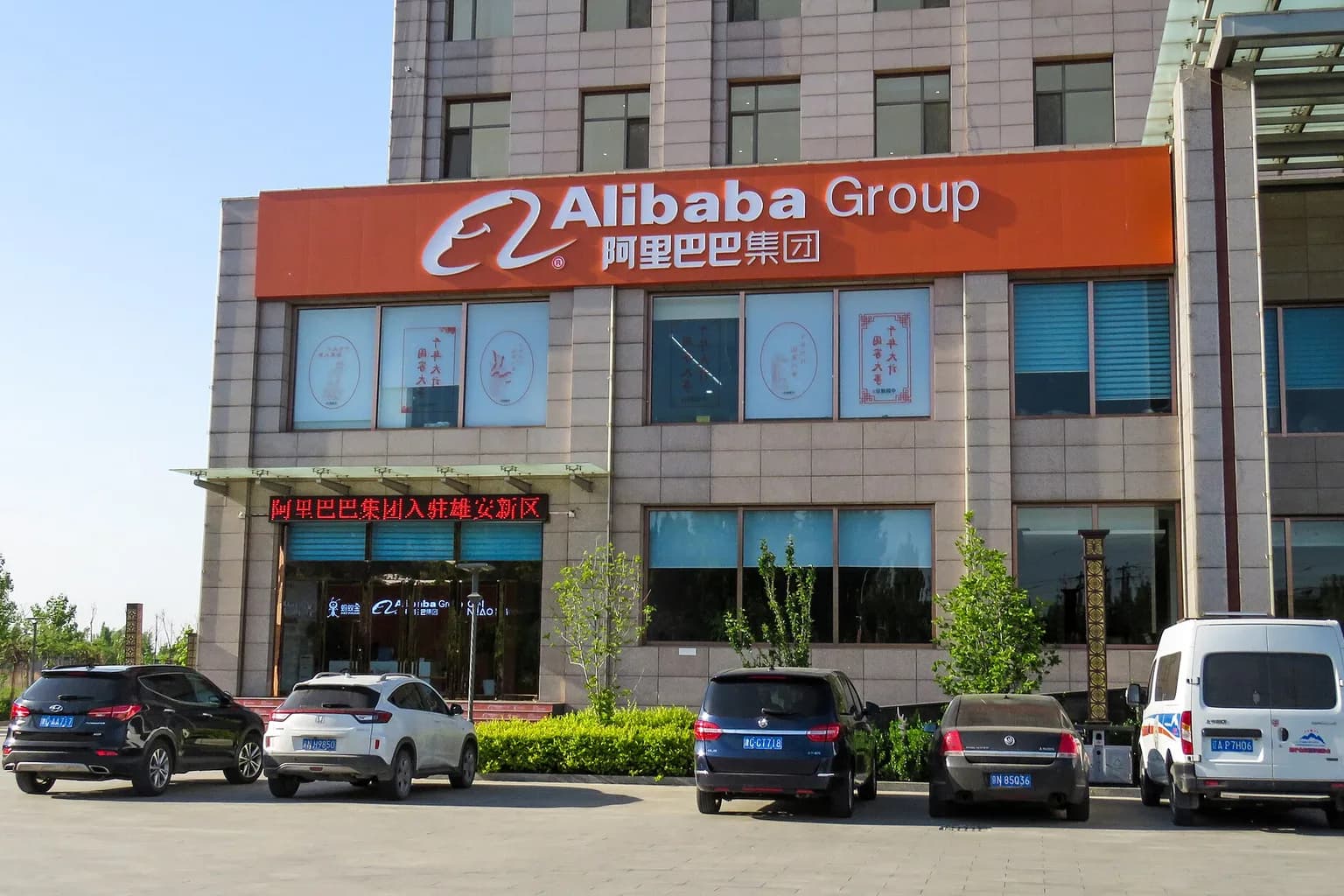
Alibaba Group Holding has won a preliminary court order that protects its ability to retain US lobbyists who also represent Pentagon contractors, even as it continues to fight its inclusion on a Pentagon list of companies alleged to aid China’s military. A US federal judge granted Alibaba’s request for a preliminary injunction on Monday.
The order prevents the US government from denying Pentagon contracts to companies because they, their parent companies or subsidiaries do business with firms engaged in lobbying for Alibaba. The practical effect is that Alibaba can keep US lobbyists who also work for Pentagon contractors.
The ruling leaves the central dispute unresolved. Alibaba remains on the Pentagon’s Section 1260H list and is continuing its court challenge to that designation.
The Pentagon added Alibaba to the list in June, alongside internet search provider Baidu, electric vehicle maker BYD and other major Chinese manufacturing and technology companies. Alibaba filed its lawsuit on June 23.
In its case, Alibaba denied having military ties. It said its products and services were designed for retail, logistics and enterprise technology rather than defence or intelligence. The company also said the Pentagon’s determinations “have no basis in fact or law.”
The Section 1260H designation does not impose formal sanctions. It does, however, restrict Pentagon contracts with listed companies. Inclusion also triggers mandatory procurement bans for the US military and requires defence contractors to review their global supply chains. From 2027, the restrictions extend to purchases of listed companies’ products or services through third parties.
In June, the US Department of War added 65 firms to the Section 1260H list and removed 10 whose US presence had ended, bringing the total to 188 entities. The expansion included commercial companies such as Alibaba and Baidu, electric vehicle makers BYD and NIO, and pharmaceutical company WuXi AppTec.
WuXi AppTec had already secured a similar interim court protection. On Aug. 7, the US District Court for the District of Columbia granted its motion for a preliminary injunction, shielding it from the immediate effects of its 1260H designation.
Alibaba, Baidu, BYD and WuXi AppTec have announced plans to contest their designations through legal and administrative channels. For Alibaba, Monday’s order addresses the immediate lobbying-related restriction, while the question of whether it can ultimately be removed from the Pentagon list remains before the court.




Comments (0)