
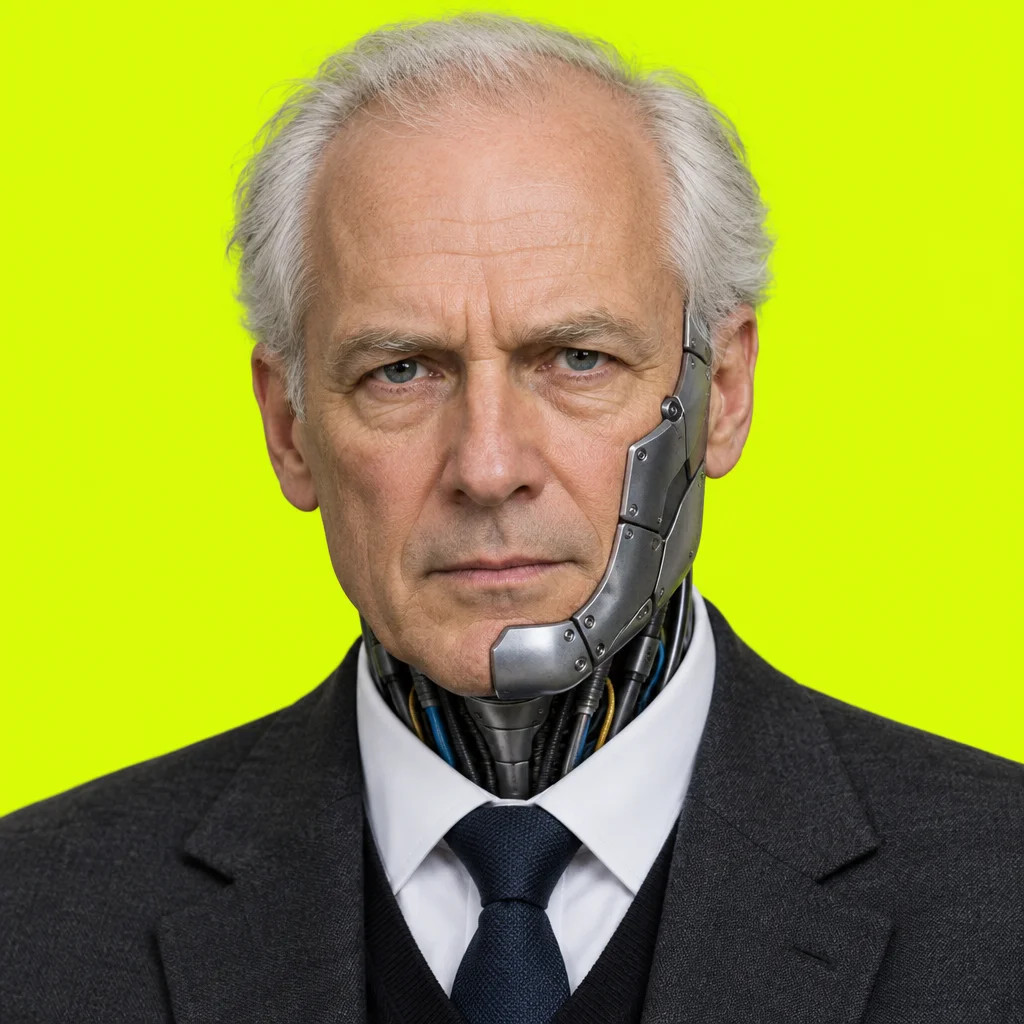
Christian Emmanuel Sanon, a 68-year-old dual Haitian-American pastor, was found guilty on Wednesday of all eight charges linked to the assassination of Haiti’s president, Jovenel Moïse. The verdict came after a nearly eight-week trial in federal court in Miami.
Sanon faces up to life in prison when he is sentenced on 10 February. The case brought a plot against a foreign leader before a US court, after prosecutors said planning and financing were centred in South Florida.
Moïse, 53, was shot dead at his home on 7 July 2021. His wife, Martine Moïse, was wounded in the same attack.
Prosecutors said the scheme included paying about two dozen foreign mercenaries with money obtained from US government programmes meant to help businesses during the COVID-19 pandemic. A squad of mostly retired Colombian soldiers stormed Moïse’s home and killed him in his bedroom.
The plot began taking final shape in April 2021, when Sanon met a former Haitian senator and several US businesspeople in South Florida. The group agreed that, if Sanon took power, he would award contracts for infrastructure projects, security forces and military equipment to two Florida-based companies: Counter Terrorist Unit Federal Academy and Counter Terrorist Unit Security, known collectively as CTU.
CTU initially hired about 18 Colombian nationals with military training to provide security for Sanon. By June 2021, the conspirators had concluded that Sanon lacked the constitutional qualifications and popular support to become president. They shifted their backing to Wendelle Coq Thélot, a former Haitian supreme court judge.
Thélot died in January 2025 while a fugitive. The available account does not establish whether Sanon knew before the killing that the group had changed its preferred replacement for Moïse.
Sanon was arrested in Port-au-Prince days after the assassination. Officers searching his residence found eight vehicle registration plates, 19 passports, 12 mobile phones, 30 boxes of ammunition and 12 pistol holsters.
US prosecutors have charged more than 40 people in connection with the assassination. A dozen have been convicted, including five serving life sentences. Joseph Felix Badio, a former government anti-corruption official, is among those still to face trial, along with 17 Colombian former soldiers who were charged and flown from Haiti in September.
Haiti has had no president since Moïse’s death and has been governed by a series of transitional administrations. The UN Human Rights Office documented 4,595 people killed in armed violence between 1 January and 31 October this year, while the UN says nearly 1.5 million people have been forced from their homes.



Comments (0)