

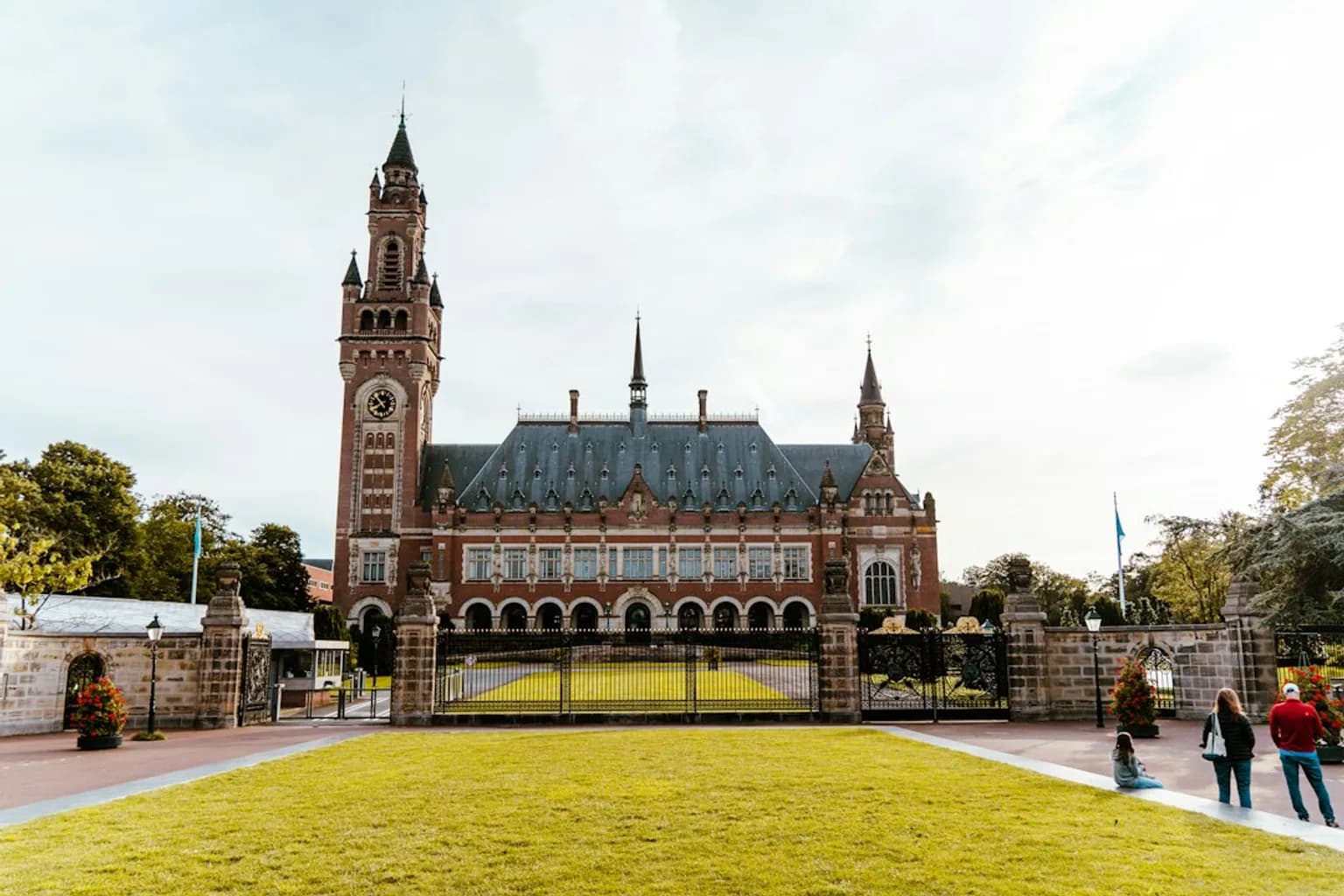
Inside the International Criminal Court’s 46,000 square metre headquarters in The Hague, Netherlands, Registrar Osvaldo Zavala Giler says his job has become “preparing for sanctions”. He has urged the European Commission to issue clear guidance “as soon as possible”, saying a “lack of clarity” has left companies and non-governmental organisations uncertain about how to respond.
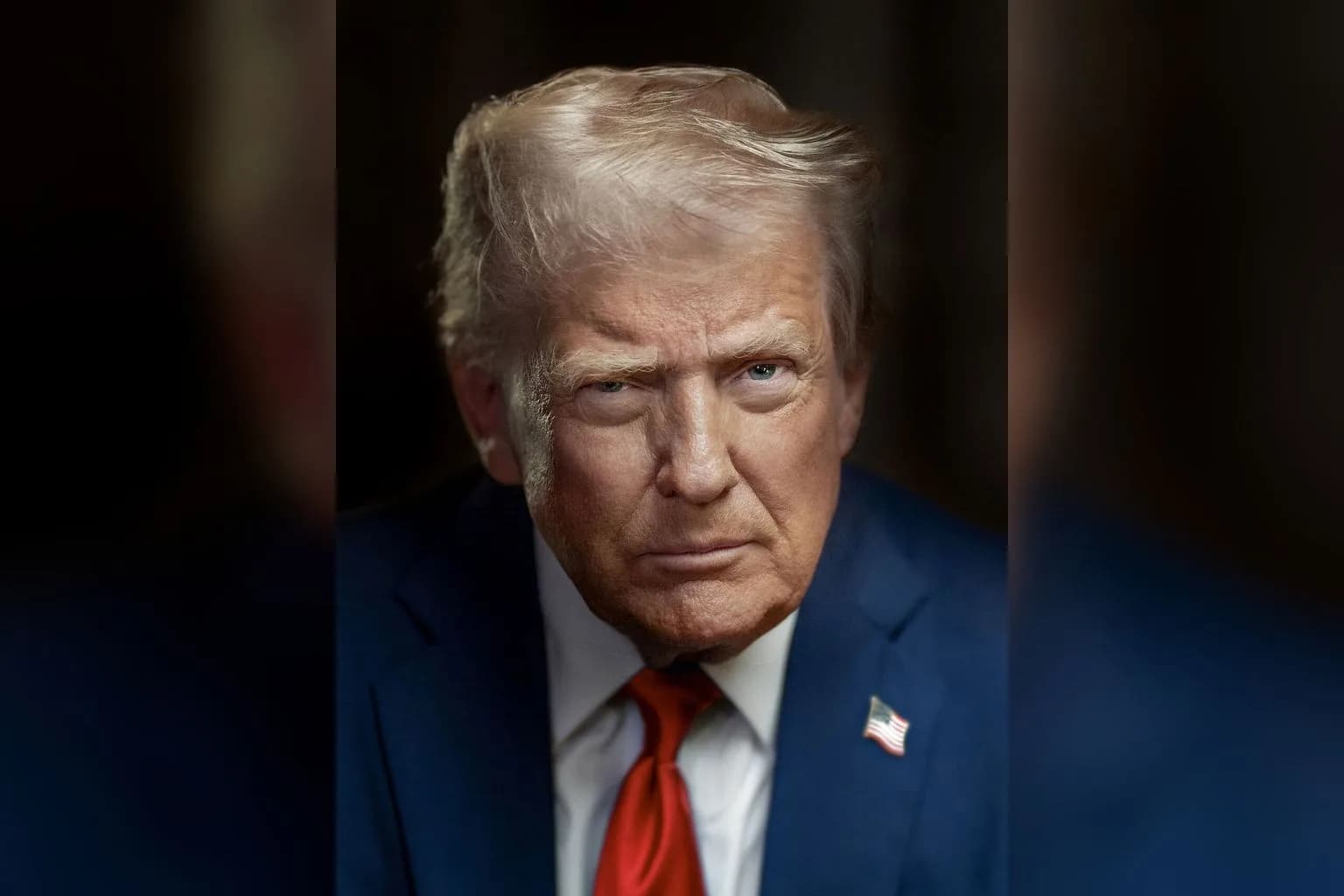
The pressure comes from blanket US sanctions announced by the Trump administration on 9 October, which are set to take effect in April. US Secretary of State Marco Rubio called the ICC a “rogue court” and said: “Either the ICC will end its threats, or we will end the ICC.”
Zavala Giler has proposed “comfort letters” to reassure firms that they should not comply with the US measures. He has also suggested a blocking mechanism to protect European entities from the sanctions’ reach.
Kaja Kallas told the European Parliament on Tuesday that Brussels would use the coming months “to open dialogue” on the issue.
The dispute followed the ICC’s decision in November 2024 to issue war crimes arrest warrants for Israeli prime minister Benjamin Netanyahu and his former defence minister Yoav Galant.
In February 2025, the US targeted 13 ICC officials with sanctions, including the court’s deputy prosecutor, Nazhat Shameem Khan.
The court’s vulnerability was already clear. A business impact assessment found that approximately 92% of its judicial processes depended directly or indirectly on a US company or a company with a significant US nexus.
It responded with “Operation Tech Autonomy”, intended to ensure that a single outside dependency cannot stop the court carrying out its core functions. The court spent six months moving away from US technology providers to open-source software, and 20 months making its financial transactions dollar-proof.
Staff in the compound have switched from Microsoft systems to open-source alternatives. The court has also required every staff member to have a European bank account and reduced its banking relationships from tens of banks to only “a few”.
Those preparations have not prevented early disruption. Some ICC staff encountered banking problems within weeks of the 9 October announcement, before the sanctions were due to take effect, as banks were “over-complying” to reduce their own risk.
General licences offer a 180-day reprieve for certain ICC activity, including maintenance of operations, cloud and software services, the court’s pension plan and specified work involving detainees. Nine persons are held in the detention unit in Scheveningen, where continued support depends on those exemptions.
The court also received a public sign of European support. On Thursday, the European Parliament awarded it the Sakharov Prize for freedom of thought.
That week also brought a separate symbolic moment. On 9 October, the Nobel Peace Prize went to Navi Pillay, a South African jurist who served on the ICC Appeals Chamber from 2003-2008.
Khan said the sanctions “must be condemned”. She added: “Our work will continue across all our situations, our investigations and our prosecutions.”



Comments (0)