
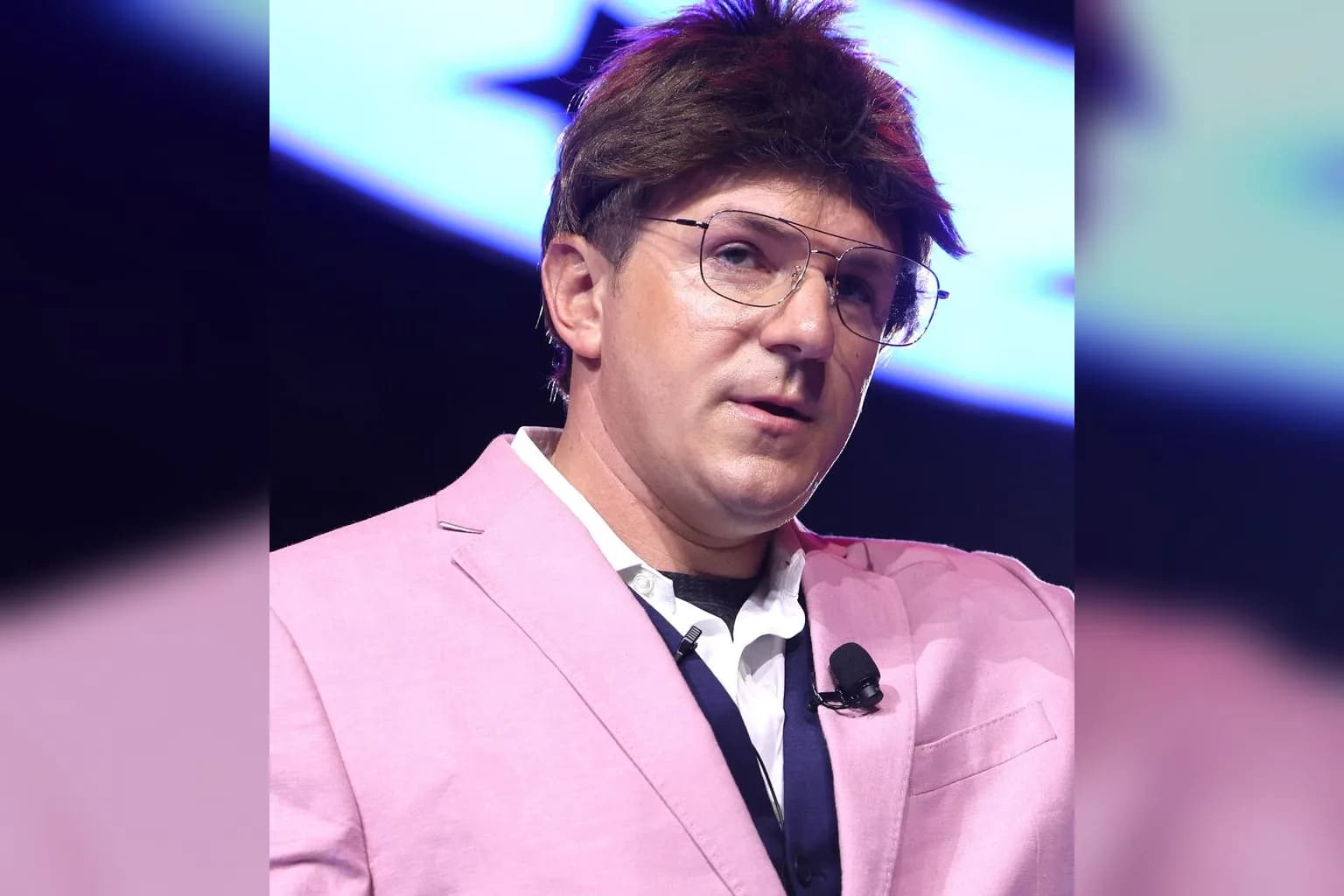
James O'Keefe and Cam Higby have been charged with unlawful voting and identity theft after an encounter at a Minnesota polling place during the 11 August primary election. Hennepin County Attorney Mary Moriarty announced the charges on Wednesday.
The case concerns what the men did before any ballot was cast. O'Keefe and Higby gave poll workers false names during the vouching process, using the names of registered voters in the precinct without those voters’ knowledge or permission.
O'Keefe, 42, is from West Palm Beach, Florida, and founded Project Veritas before he was ousted as its leader. Higby, 26, is from Covington, Washington.
On 11 August, the two men arrived at a polling place in costumes and approached poll workers while attempting to use vouching. They used fake accents and wore attire similar to costumes worn by some Muslims.
Higby’s face was covered, and O'Keefe referred to him as his wife during the encounter.
Poll workers became suspicious and reported the conduct to election officials. O'Keefe and Higby stopped before signing the oath required for vouching, then left the polling places.
A video showing the episode was posted to YouTube on 13 August. It showed O'Keefe, Higby and others in costume using fake accents.
In a video and written statement released on Wednesday evening, O'Keefe said the men had acted as investigative journalists. He said they had been careful to say 'the name is' rather than 'my name is' when speaking to poll workers. O'Keefe wrote: 'In our report, we clearly stopped and walked out of the polling places to avoid even touching a voting ballot'.
The vouching process permits a registered voter without identification to cast a ballot when another registered voter vouches for them. It was used for fewer than 0.6% of votes cast in Minnesota’s November 2024 election, according to the Minnesota Secretary of State’s office.
David Becker, a former Justice Department official who leads the Center for Election Innovation and Research, said he knew of no instances in which vouching had produced organised or widespread fraud. Becker said: 'Impersonating another voter is a very serious crime'.
The charges place the legal focus on the alleged use of other voters’ identities and the conduct at the polling place. O'Keefe’s account centres on the fact that the men left before signing the required oath or handling a ballot.




Comments (0)