
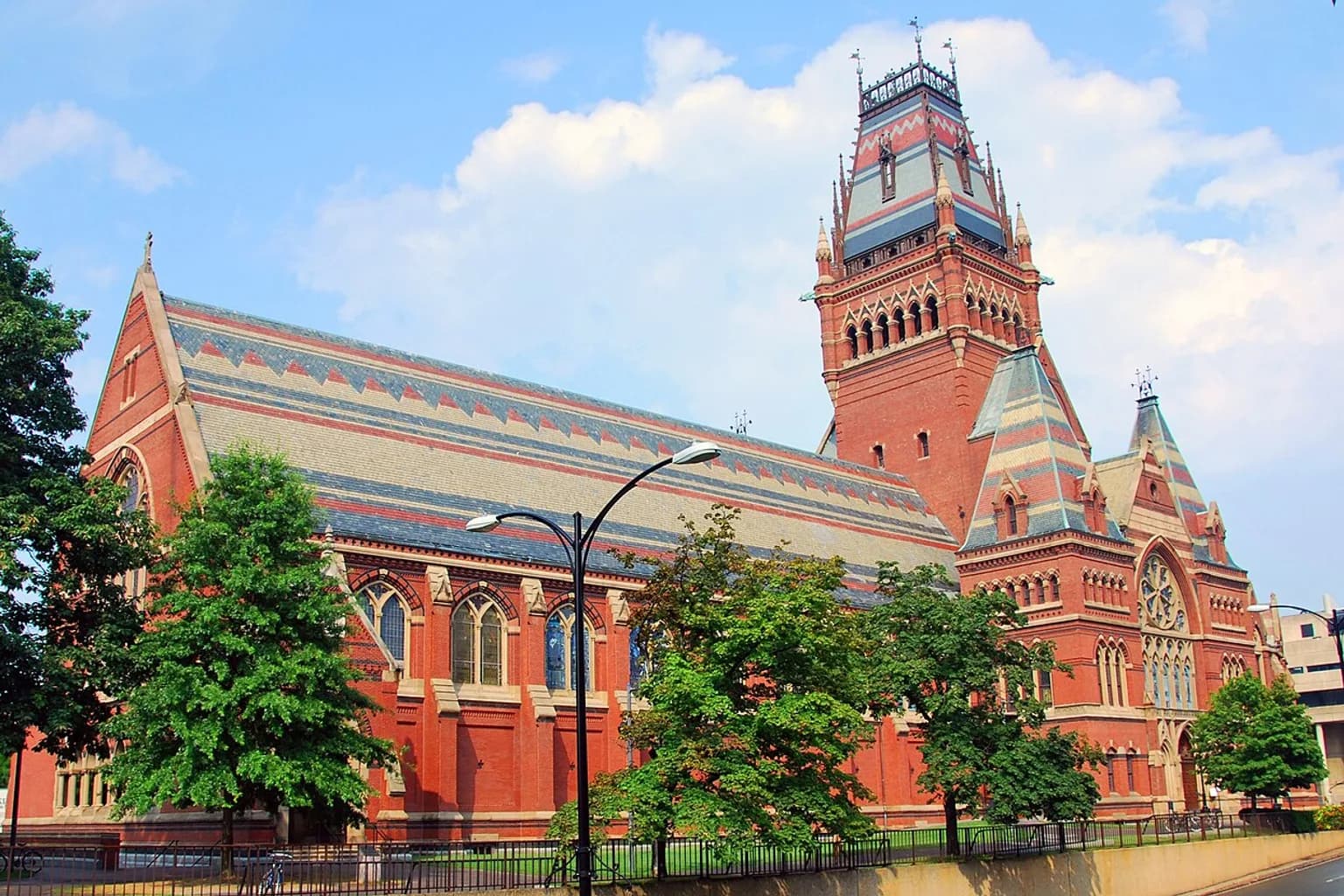
Harvard will not have to hand over sensitive admissions information involving hundreds of thousands of applicants through this lawsuit, after a federal judge dismissed the Trump administration’s case.
US District Judge Myong Joun in Boston found that the Justice Department sued before completing legally required steps to seek Harvard’s voluntary compliance with its demands for applicant-level records.
The ruling turns on procedure rather than the substance of the administration’s accusations. Judge Joun said his decision was narrow and did not decide whether the Justice Department and the US Department of Education may ultimately obtain data on thousands of high school students who applied to Harvard, or whether Harvard considered race in admissions.
The dispute followed a broader confrontation between the administration and the university. In April last year, the federal government warned Harvard that it could lose $9 billion in funding unless it accepted demands to change its leadership structure, admissions and hiring.
Harvard rejected those demands.
The administration then cancelled and froze nearly $3 billion in federal grants over alleged campus antisemitism, and barred Harvard from receiving new federal grants.
In early February, President Donald Trump ended settlement talks and said he wanted $1 billion in damages from Harvard. He said the university had 'been, for a long time, behaving very badly.'
The Justice Department filed this case in February, saying it needed years of applicant-level admissions data to examine whether Harvard was following the US Supreme Court’s 2023 decision rejecting race-conscious admissions programmes. The department said the inquiry concerned compliance with Title VI of the Civil Rights Act of 1964, which bars racial discrimination in education programmes.
Its request covered a decade’s worth of records for hundreds of thousands of applicants, including sensitive information concerning high school students who sought admission. A Massachusetts federal judge questioned the administration’s claims that it had been willing to negotiate with Harvard before bringing that case.
Harvard’s lawyers said the suit was retaliation for the university’s refusal to overhaul its governance, hiring and academic programmes. The court did not resolve that contention.
Judge Joun’s dismissal does not necessarily end the admissions-data fight. He said the Justice Department could bring a similar case if it takes further administrative steps. Whether the department will do so, and whether Harvard could eventually be compelled to provide the records, remains unresolved.
The administration has faced other setbacks in its litigation against Harvard. Other judges have rejected efforts to terminate over $2 billion in grants, prevent the university from hosting international students, and sue it over allegations that it failed to protect Jewish and Israeli students from harassment. In August, a federal judge dismissed the department’s antisemitism case against Harvard, finding the alleged incidents were 'too isolated and episodic' to establish a civil-rights violation.
In separate appellate proceedings, Harvard lawyer Paul Clement argued that a finding that a case was moot would leave Harvard’s international students without protection from another presidential proclamation.
Harmeet Dhillon became chief of the Justice Department’s Civil Rights Division in April. According to four current and former division officials, she pushed out hundreds of longtime lawyers and replaced many with inexperienced ideological allies. Current and former officials said some 300 attorneys have left the division since Trump returned to office. Judges have dismissed more than two dozen of the department’s lawsuits.





Comments (0)