

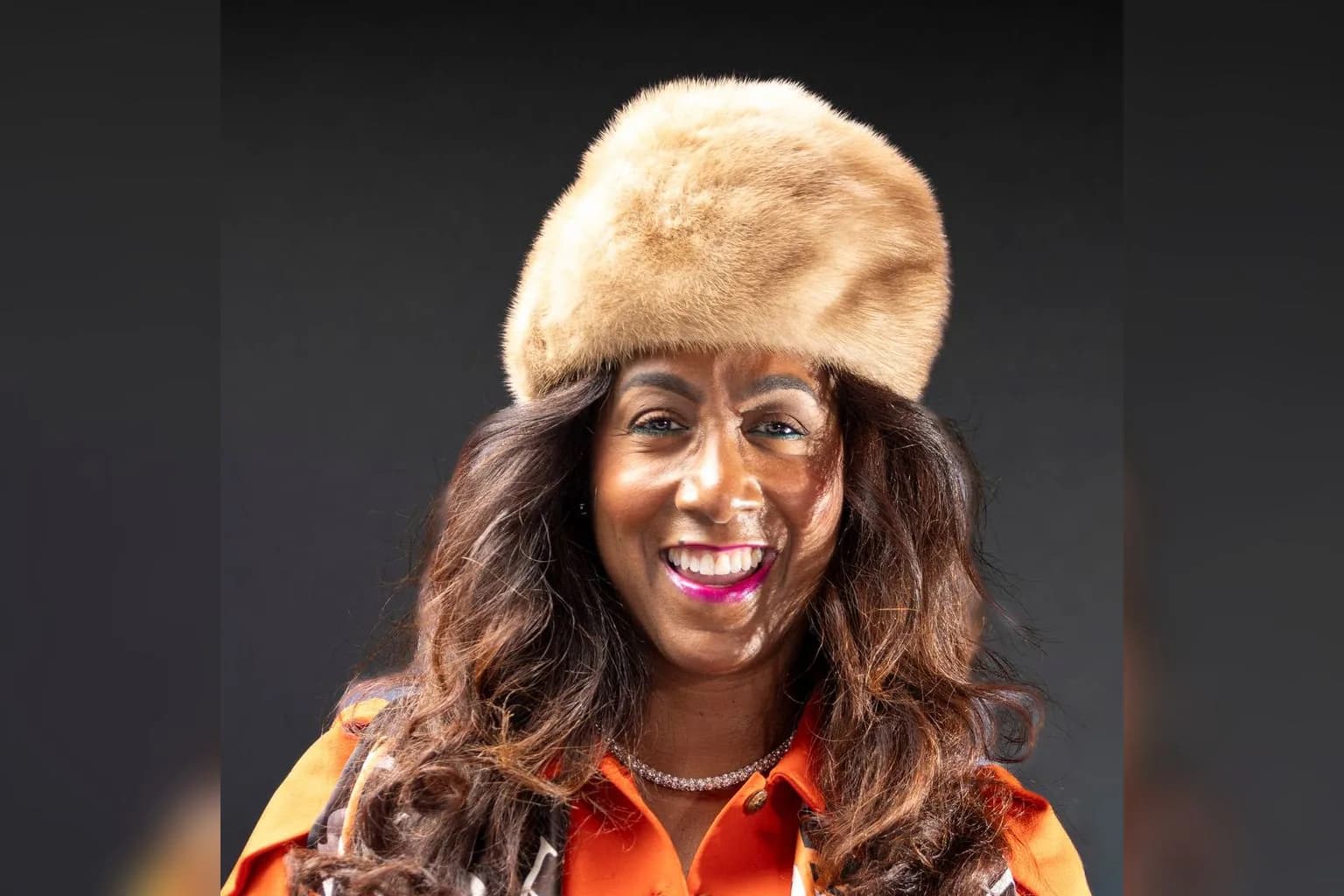
When Maurene Comey was fired, she told colleagues that the decision carried consequences beyond her own job. “If a career prosecutor can be fired without reason, fear may seep into the decisions of those who remain,” she wrote.
On Monday, Judge Jesse Furman ruled that the Justice Department had unlawfully dismissed Comey, a federal prosecutor in Manhattan since 2015 whose cases included prosecutions of Jeffrey Epstein, Ghislaine Maxwell and Sean ‘Diddy’ Combs. The 55-page decision found that her removal breached the Civil Service Reform Act and the Constitution’s separation of powers.
Furman ordered Comey’s retroactive reinstatement and back pay as an assistant US attorney for the Southern District of New York from 16 July 2025 through 20 December 2025. The Justice Department said it would appeal the ruling in US District Court in Manhattan.
Comey was dismissed on 16 July 2025 through a memo sent from the Justice Department’s headquarters in Washington. Her lawsuit said she received no reason beyond being told that the decision “came from Washington.”
She sued the department in September 2025, alleging that her dismissal was tied either to her relationship with her father, former FBI Director James Comey, or to political views attributed to her. The lawsuit argued that the firing violated federal law and the Constitution and stemmed from President Donald Trump’s longstanding animus towards her father, whom Trump fired as FBI director in 2017.
James Comey is being prosecuted during the second Trump administration on a charge of threatening Trump and has pleaded not guilty. The charge arose from an April 2026 indictment over an Instagram post showing the numerical phrase “86 47” arranged in seashells on a North Carolina beach, with an arraignment scheduled for January 2027.
Furman decided the case before trial on a motion for judgment on the pleadings. He rejected the Justice Department’s argument that Pam Bondi, then attorney general, had unrestricted authority to remove a federal prosecutor without providing a reason. He also rejected the department’s position that the current attorney general, Todd Blanche, could validate the dismissal after the fact in May 2026.
In May, the Trump administration had said Bondi “directed” Comey’s removal and that Blanche “ratified” it. Furman wrote: “Congress granted the Attorney General power to remove Comey. Congress imposed limits on that power, limits that, even Defendants concede, were violated in Comey’s case.”
The department acknowledged that Comey’s removal “was not for cause” and did not rest on her performance. It also acknowledged that she had received ratings of “outstanding” in performance reviews from 2019 through 2024.
Furman said Comey had been denied the protections required by the Civil Service Reform Act, including advance written notice, reasonable time to respond, representation and a written decision giving specific reasons. Her supervisors and colleagues had described her as a “brilliant lawyer and a gifted supervisor,” “the lawyer the office turns to when legal excellence is a must,” and “an outstanding AUSA in every respect,” with “judgment, work product, and courtroom advocacy [that are] among the finest in the country.”
The Justice Department did not give an explanation for the termination, according to Comey’s suit. Laura Loomer, a right-wing influencer, publicly claimed credit for Comey’s firing.
Furman reserved judgment on Comey’s separate claim that the firing violated her First Amendment rights. He gave her until 9 November to argue why that claim should remain before the court rather than be dismissed as moot.



Comments (0)