

John Ream, a retired aerospace engineer and brewery owner in Newark, Ohio, wants to distil spirits at home for personal consumption. He has asked the Supreme Court to decide whether Congress can regulate what he calls “local, noncommercial conduct.”
The question arises from an 1868 federal law that taxes distilled spirits and prohibits home distilleries. Breaking the law can bring fines of up to $10,000, five years in prison, or both.
For more than 150 years, the ban has made home distilling a federal crime. The Hobby Distillers Association, a nonprofit, and some individual members filed suit in 2023 seeking permission to operate home distilleries.
The challengers describe the law as an antiquated relic of Reconstruction-era politics. They say Congress exceeded its taxing authority when it included the ban in a tax reform measure intended to curb fraud by commercial distillers.
Two federal circuit courts reached opposing conclusions in April 2026, only 11 days apart. The US Court of Appeals for the 6th Circuit, in Ream v. Department of the Treasury, held that the ban was a necessary and proper way for Congress to collect the federal tax on distilled spirits.
The US Court of Appeals for the 5th Circuit came out the other way. It held that the prohibition violates the taxation clause and the necessary and proper clause because it produces no revenue and stops spirits being made that could be taxed.
Ream petitioned the Supreme Court in July. The federal government followed in August, asking the justices to review the 5th Circuit ruling, which was the Justice Department’s preferred case for review.
The government says home distilling can make tax enforcement harder. A distiller may more easily hide an operation or frustrate needed inspections when the still is inside a home or an attached structure, it argued, allowing evasion of the required tax.
Its legal position is that “[a] law is necessary and proper if it is "convenient" or "useful" for carrying an enumerated power into effect, and "plainly adapted" to that legitimate end.”
The challengers say the dispute “presents fundamental questions of the extent of federal power and the powers reserved to the states and the people.”
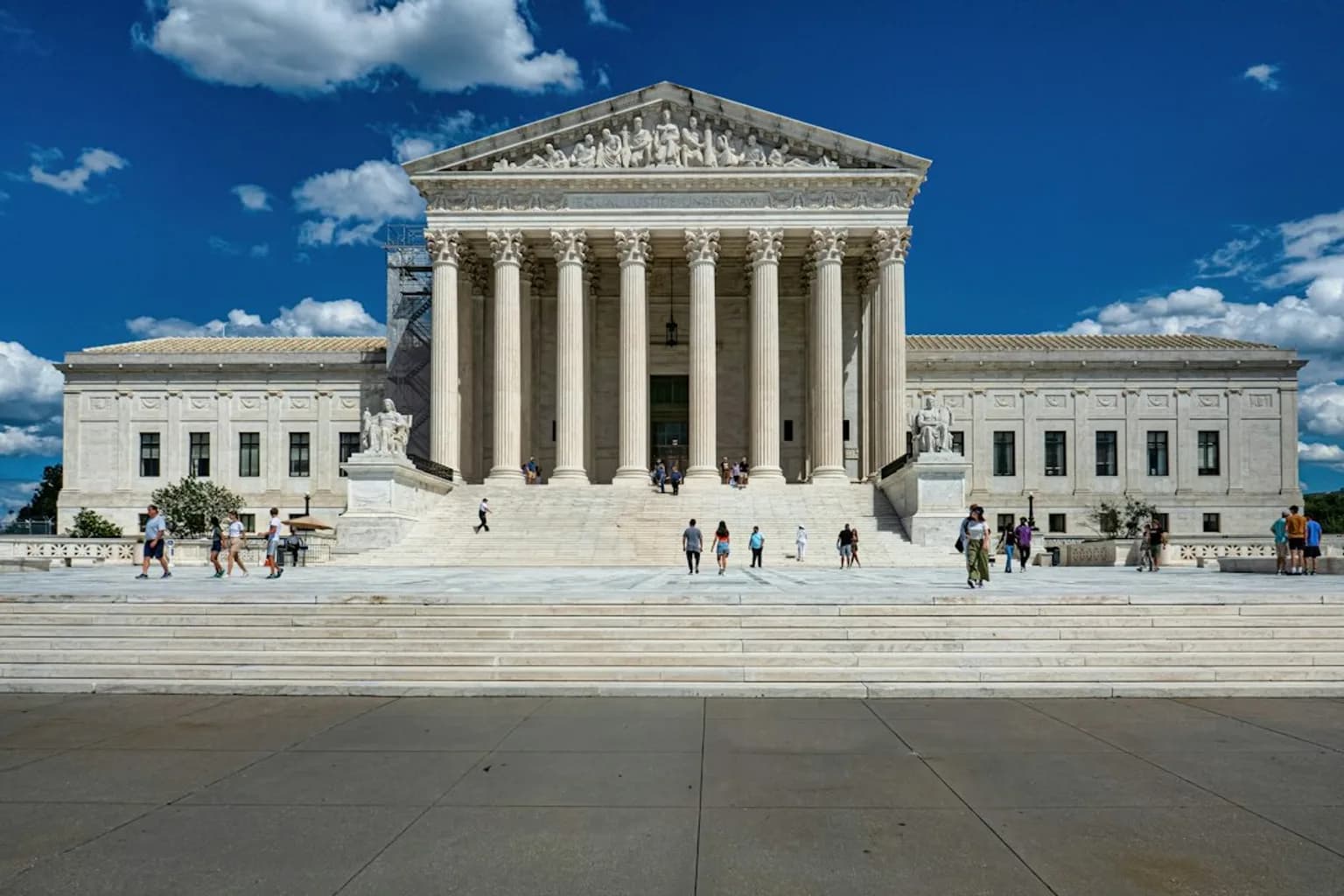
The Supreme Court announced in orders from the justices’ 16 October conference that it had granted review in Department of Justice v. McNutt. Oral argument will likely take place early next year, with a ruling expected by late June or early July.




Comments (0)