
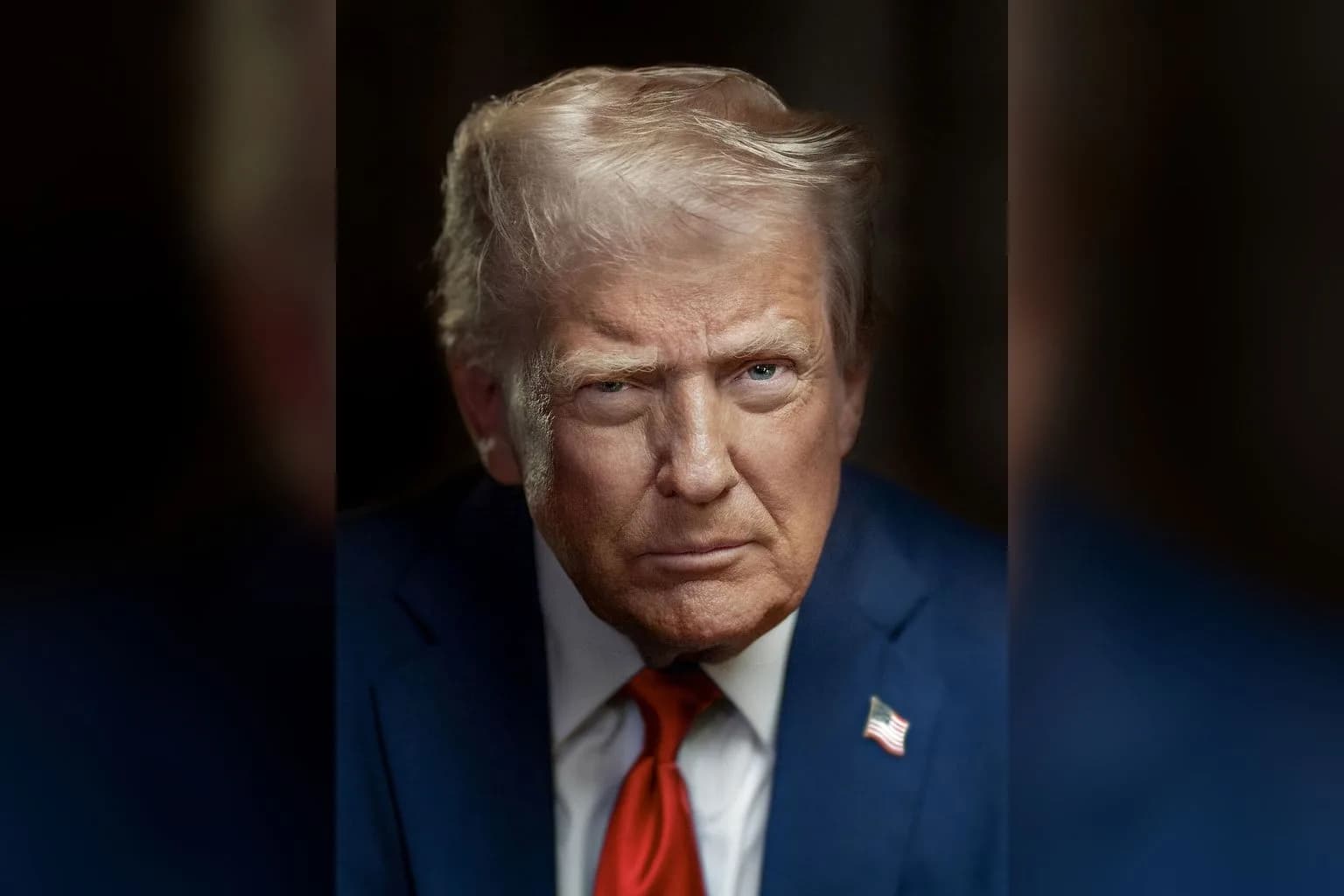
A federal judge in Florida allowed Donald Trump’s defamation claim against the BBC to proceed on 10 November 2026.
Trump is seeking at least $10 billion over edited footage of his speech on 6 January 2021, which he says made it appear that he had told supporters to storm the US Capitol.
US District Judge Jeffrey Kuntz found that Trump had plausibly alleged harm to his reputation. The judge also said the BBC knew, or should have known, that the clip was misleading.
The ruling does not determine whether Trump will prove the defamation claim or whether he suffered damages. Judge Kuntz dismissed a separate unfair trade practices claim against the broadcaster.
Trump called the decision a “huge victory” in a social media post. He wrote: “We will continue fighting against, and defeating, all of those who try to deceive the American People!”
A BBC spokesperson said the organisation was “surprised by this decision but respect the Court's authority”. The spokesperson said the BBC would “continue to respond through the proper legal process”.
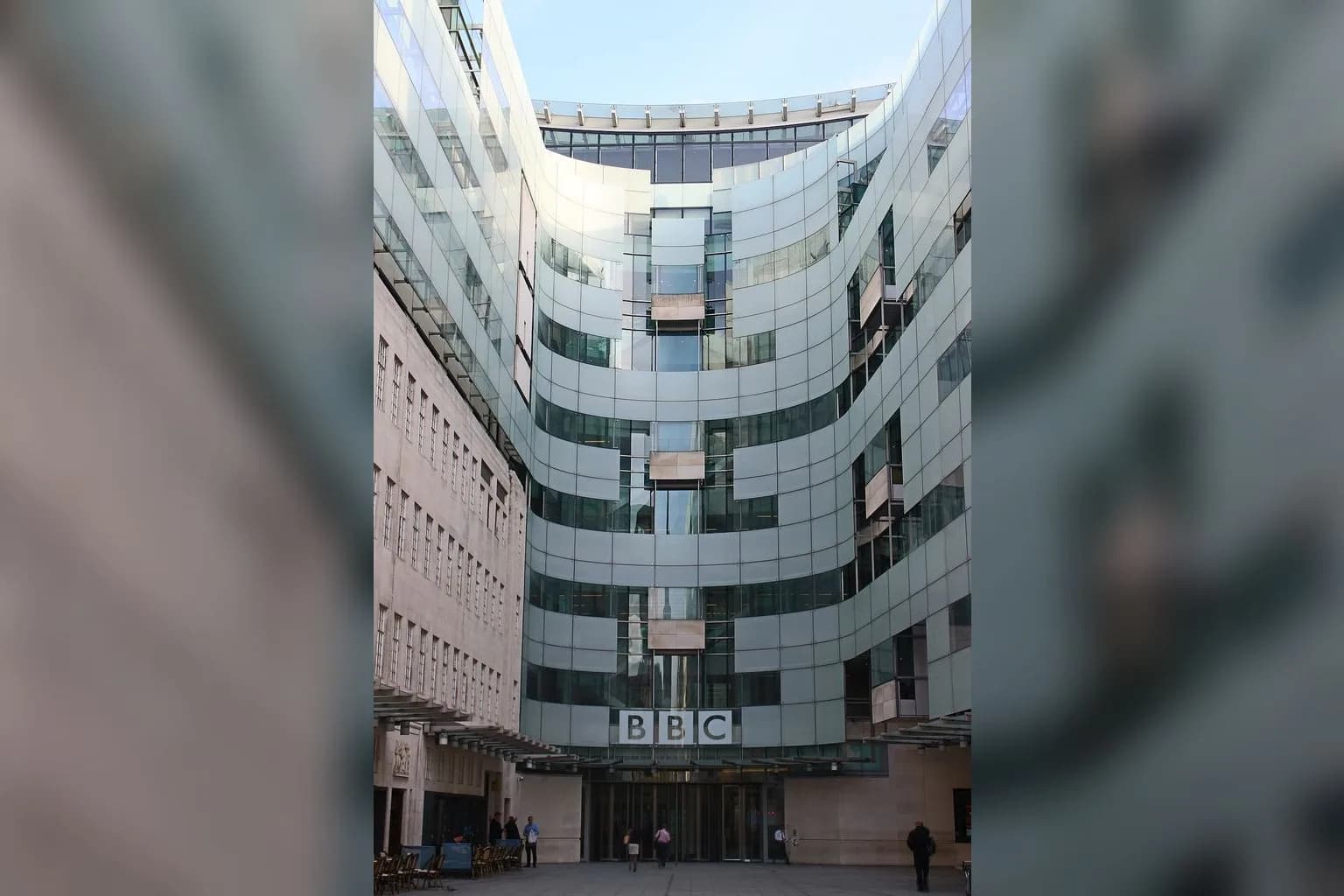
The case centres on a Panorama documentary, from the world’s longest-running current affairs programme, which first aired on 11 November 1953. The programme combined separate parts of Trump’s speech, including his calls for supporters to march on the Capitol and to “fight like hell”, while leaving out a passage calling for peaceful protest.
The documentary was broadcast shortly before the 2024 presidential election, which Trump won. The BBC later accepted that the edit was misleading and apologised to Trump. It said the broadcast had given “the mistaken impression that Trump made a direct call for violent action”.
However, the BBC denies defamation liability and says it remains confident in its position. Trump’s lawsuit accuses the broadcaster of “intentionally, maliciously and deceptively doctoring” his speech outside the Capitol.
The dispute has also become a reputational problem for the BBC. A leaked internal memo cited the edits as possible evidence of political bias, triggering a public relations crisis and high-level resignations.
There are still questions over the documentary’s US reach. Trump’s lawyers conceded they had no evidence that it was available in the US through BritBox, the BBC’s subscription service, the BBC website, BBC Select or US broadcasters.
Trump agreed to remove BBC Studios, the broadcaster’s commercial arm, from the case after the BBC said it had “no role in creating or producing the documentary”.
Judge Kuntz has also ordered Trump to answer questions under oath by 11 December. Trump had cancelled an earlier deposition, citing “matters of national importance”, while a BBC lawyer told the court he had been campaigning in Georgia in October on the scheduled date.

Comments (0)