

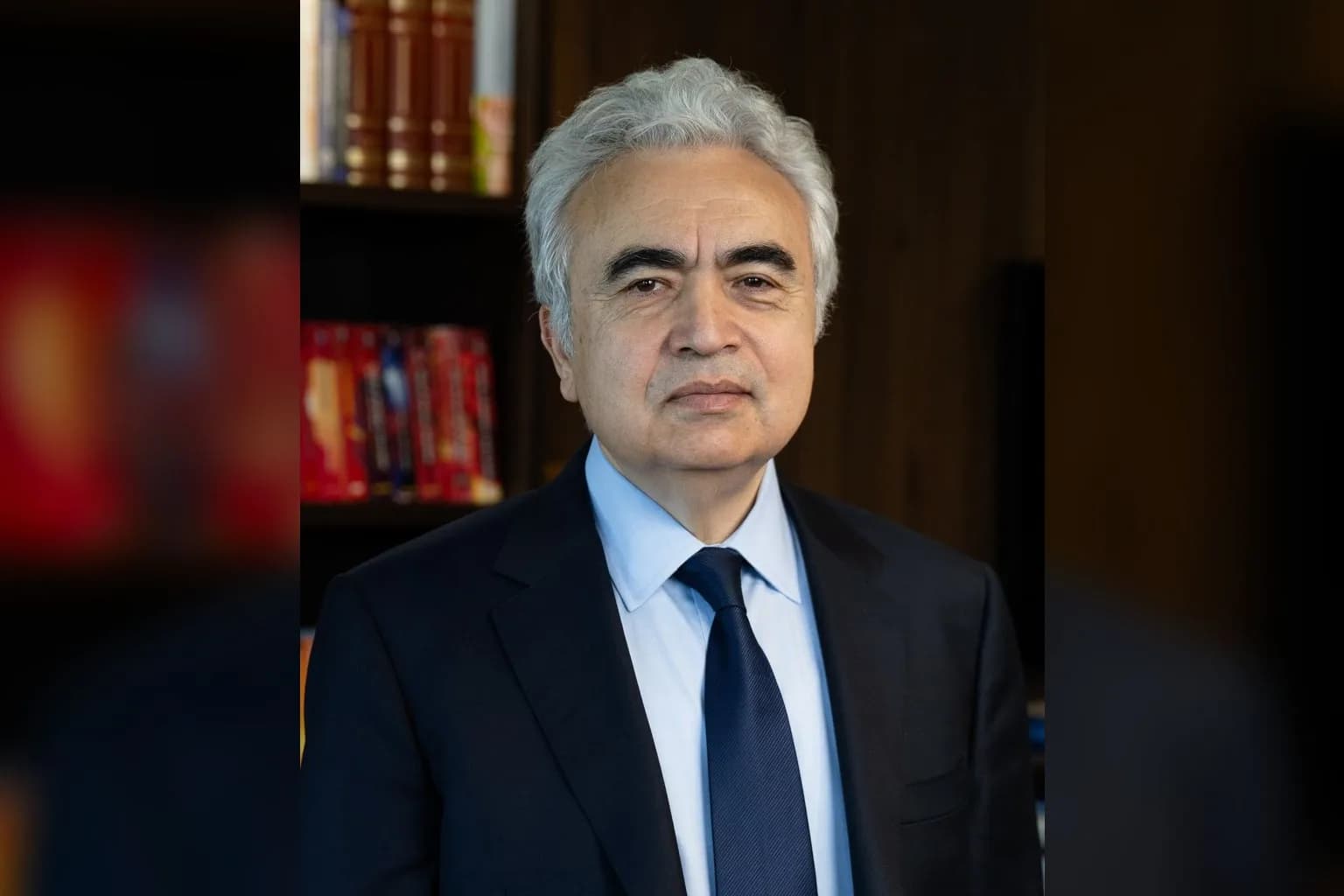
Oil has risen to over $100 a barrel from below $70 before hostilities began in the Middle East. Fatih Birol, the executive director of the International Energy Agency, said the market has no credible route back to normality by 2027.
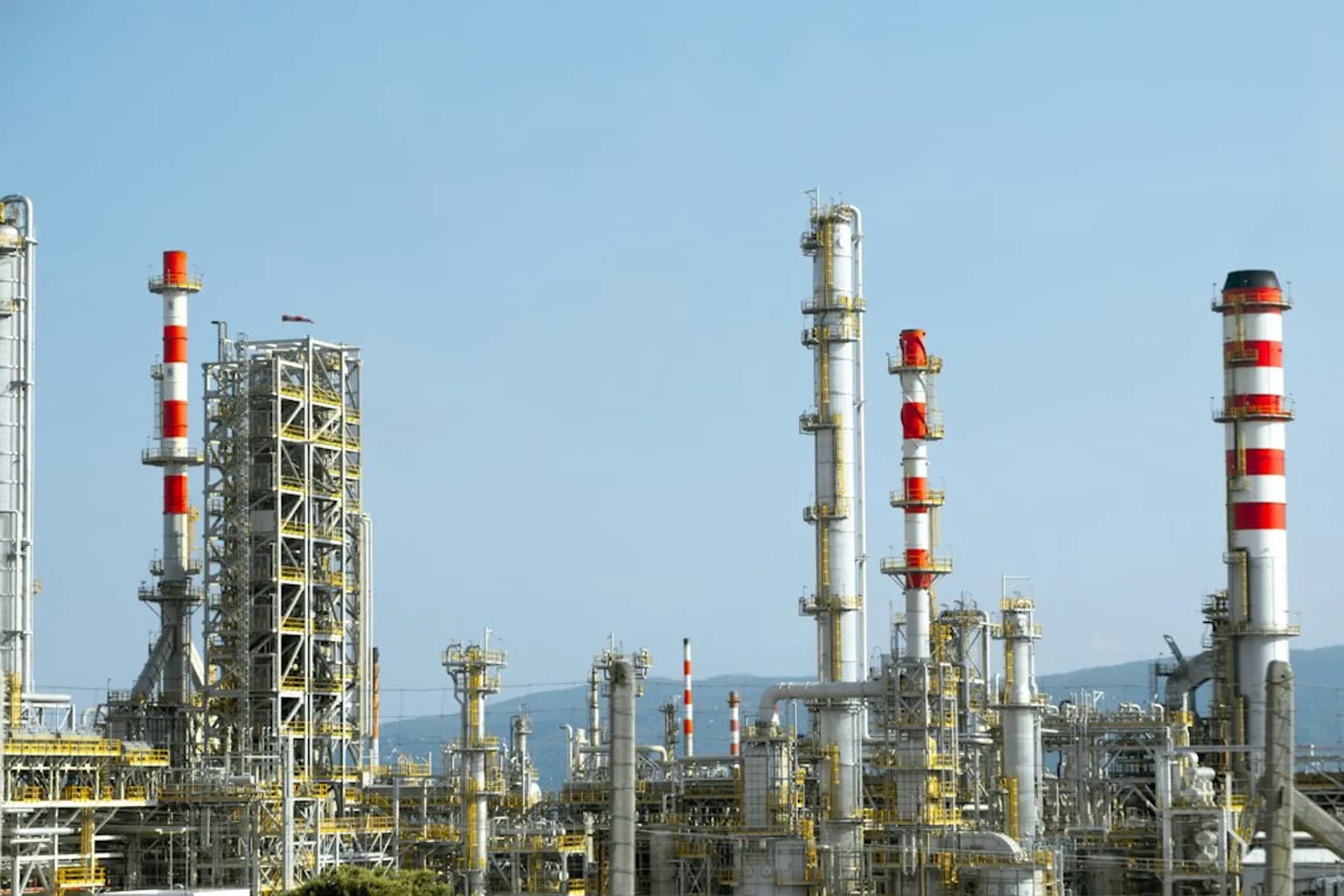
Speaking at a conference organised by The Financial Times on 20 October, Birol pointed to Gulf supply disruptions after US and Israeli attacks on Iran last February. Damage to Gulf refineries then drove diesel prices to record highs.
Iran has also vowed to take control of tanker shipments through the Strait of Hormuz. Transport insurance costs have risen even as flows were reportedly returning to prewar levels in recent weeks.
“I personally don't see any credible pathway that 2027 will be a year of normalisation,” Birol said.
He said an additional crisis could force governments to consider further action. “If there's an overlapping crisis in the Middle East, I cannot exclude that our governments will look at the other options.”
The IEA has organised the release of up to 400 million barrels of oil from strategic reserves held by its member countries. Birol said further releases could follow if warranted.
“It's a big thing, 400 million barrels, but it's only 20 percent of the oil we have — 80 percent is in the pocket,” he said.
Birol also said the war in the Middle East had shifted attention away from climate-change risks.
Birol, 65, is a Turkish economist and energy expert who has led the IEA since September 2015. He served in the secretariat of OPEC in Vienna for six years before joining the IEA, where he was chief economist from 1995 to 2015.
He holds a bachelor's degree in power plant engineering from Istanbul Technical University, plus a master's degree and doctorate in energy economics from Vienna University of Technology. He was included in the TIME100 list of the world's most influential figures in 2021 and 2026.

Comments (0)