

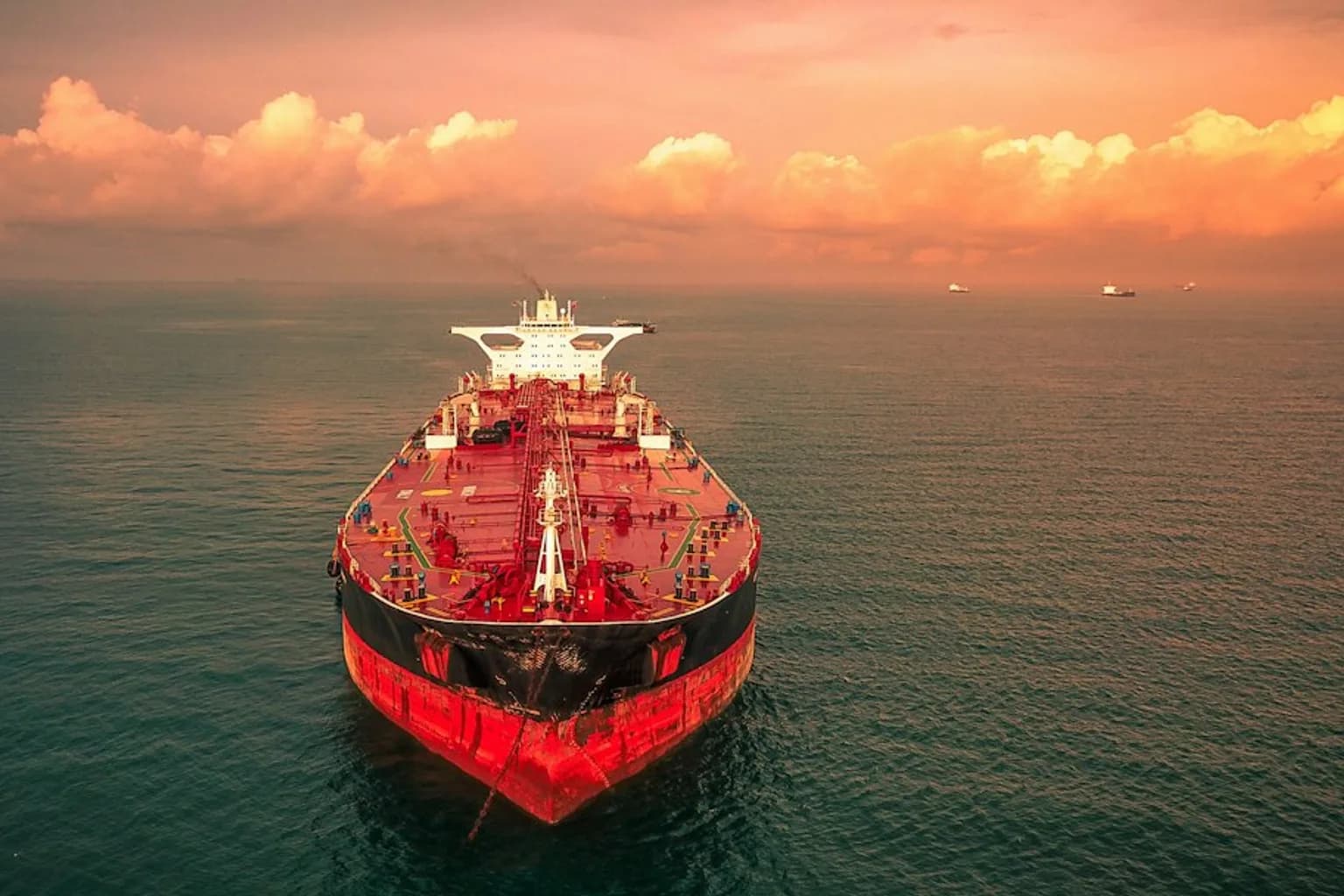
Randy Hawkins, Valero Energy Inc.’s head of oil trading, says refiners are spending $30 to $35 to haul each barrel of crude from the Gulf Coast to Asia, as much as seven times what they paid last year.
That cost is cutting into US exporters’ access to Asian buyers. Asian refinery orders for US crude to be delivered in November fell roughly 50% month on month to 24 million to 26 million barrels, putting US exports to Asia on course for multi-year lows after the Iran war disrupted global shipping.
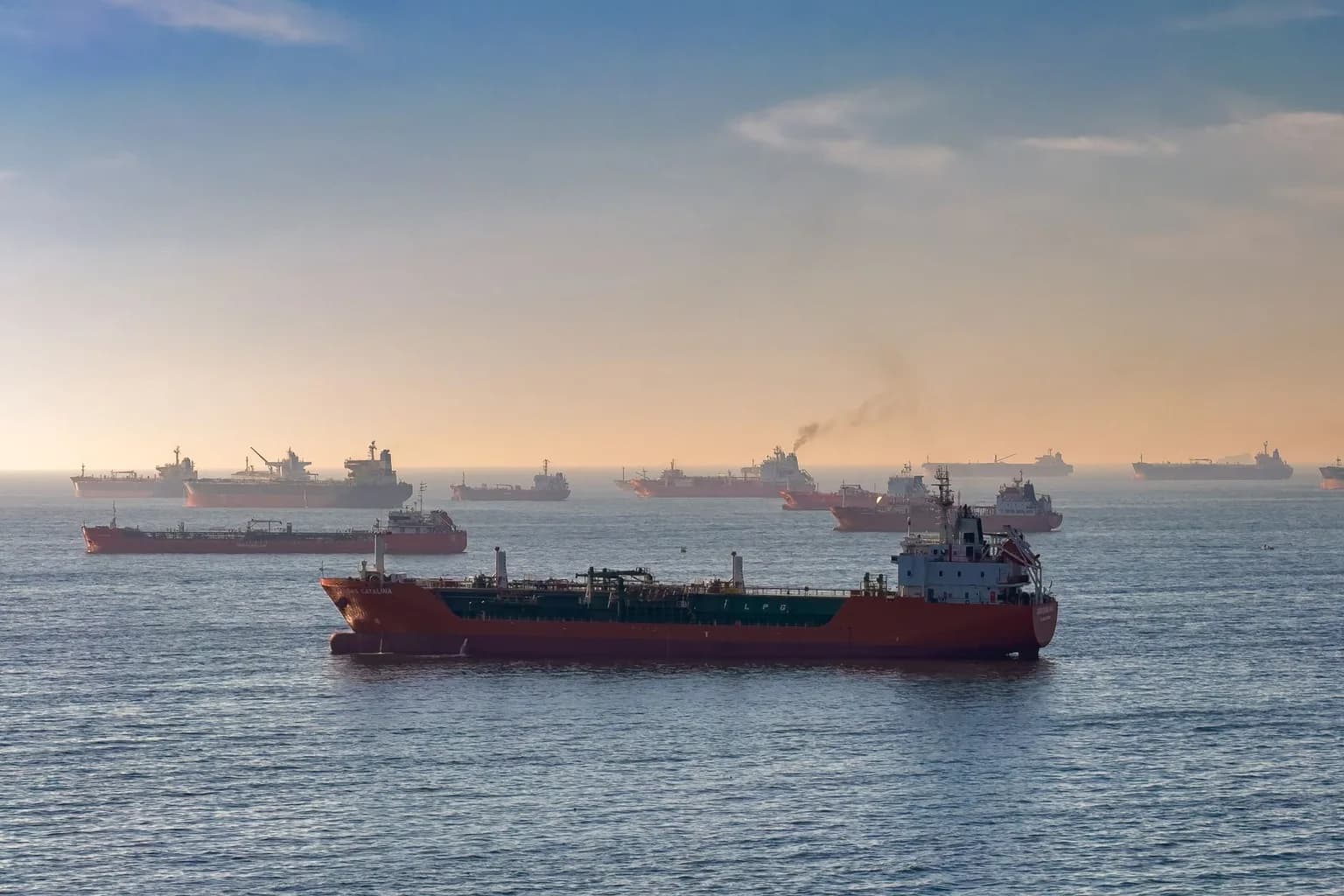
The freight market is delivering a different signal from the oil market. Leasing a tanker for a Pacific voyage has reached a record almost $80 million, while the rate for a US Gulf Coast-to-China journey has more than tripled since the US-Iran conflict began in late February, reaching almost $60 million.
In the half decade before the conflict, those rates averaged less than $8 million. Leasing the biggest crude carriers for the 30-day voyage now costs the equivalent of half the price of building a brand-new vessel.
If November orders continue at the current pace through the end of this month, they will reach a seven-year low, according to ship-tracking data from Kpler and Vortexa.
Pressure is also showing up in the price of US export barrels. Export-bound Permian Basin oil was trading at the Magellan East Houston hub for 25 cents above the benchmark futures contract as of Wednesday, down from more than $3 six weeks earlier. The premium for the medium sour export grade Mars has fallen to $6 from $17.50 in late March.
Shipping disruption has widened since the conflict moved towards the Red Sea in August. Houthis resumed attacks on Saudi-linked vessels and the East-West pipeline in early September, and attacks crippled crude loadings at Saudi Arabia’s Yanbu port.
The Bab el-Mandeb Strait, the only entrance to the Red Sea from the Indian Ocean, is twenty miles wide. Houthi attacks there disrupted maritime traffic and reduced oil shipments from 9.3 million bpd in 2023 to 4.1 million bpd in 2024.
The Red Sea carries approximately 12 to 15 percent of annual global maritime trade worth more than $1 trillion. About 4.9 million barrels per day of crude oil and petroleum products moved through the Suez Canal and the Suez-Mediterranean Pipeline in the first half of 2025.
Asia is particularly exposed to disruption around the Strait of Hormuz. About 89% of crude oil and condensate passing through it in the first half of 2025 was bound for Asian markets, and China, India, Japan and South Korea accounted for about 74%.
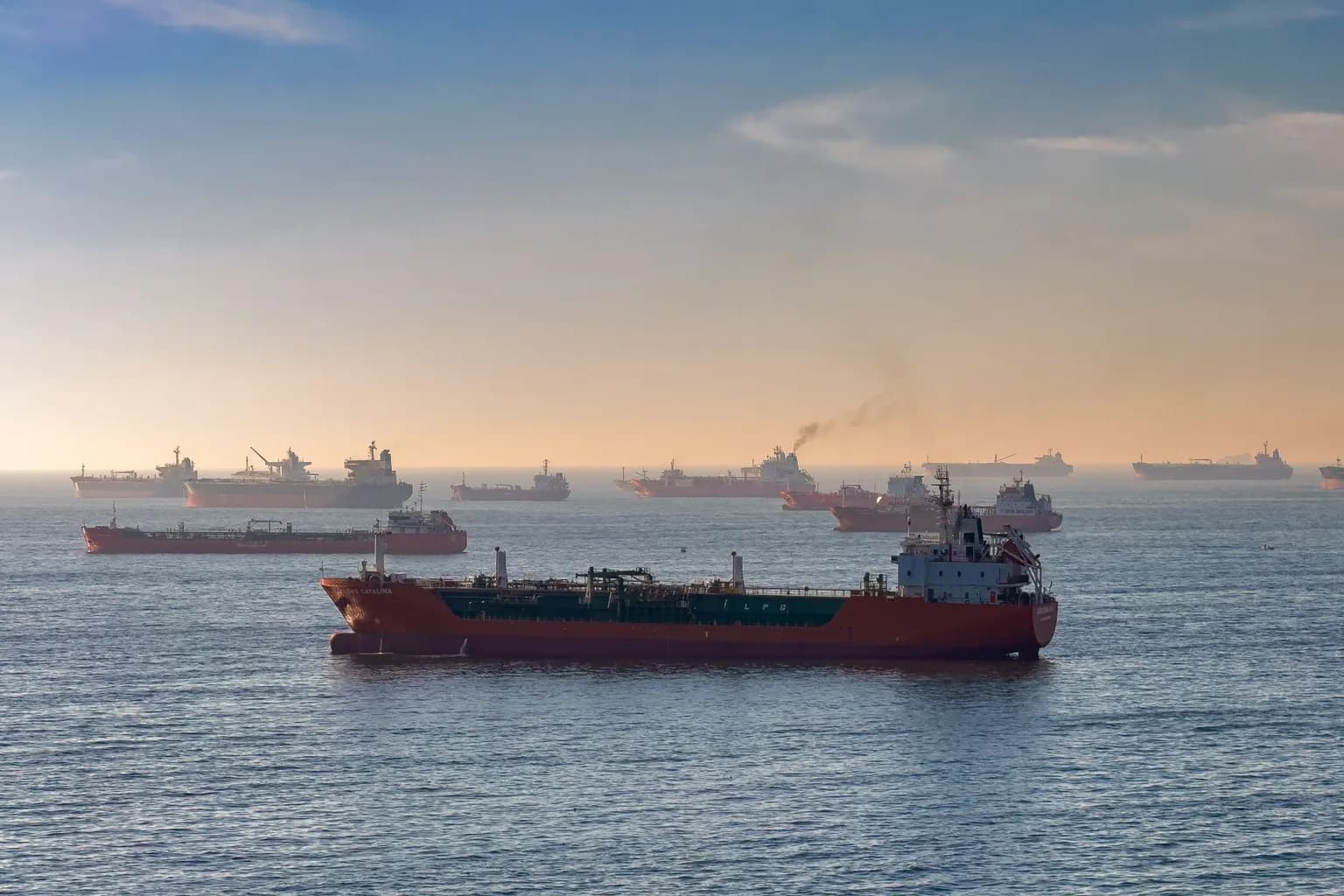
Some operators have turned to smaller vessels to collect crude in the Persian Gulf, where they are less likely to face Iranian fire in the Strait of Hormuz. Their cargoes are then transferred to larger ships waiting in the Gulf of Oman.
For US exporters, the unanswered question is whether Asian refiners will keep absorbing higher freight costs or shift further towards alternative suppliers. The direction of tanker rates and the stability of shipping lanes will determine how quickly, if at all, those export flows recover.
Comments (0)