

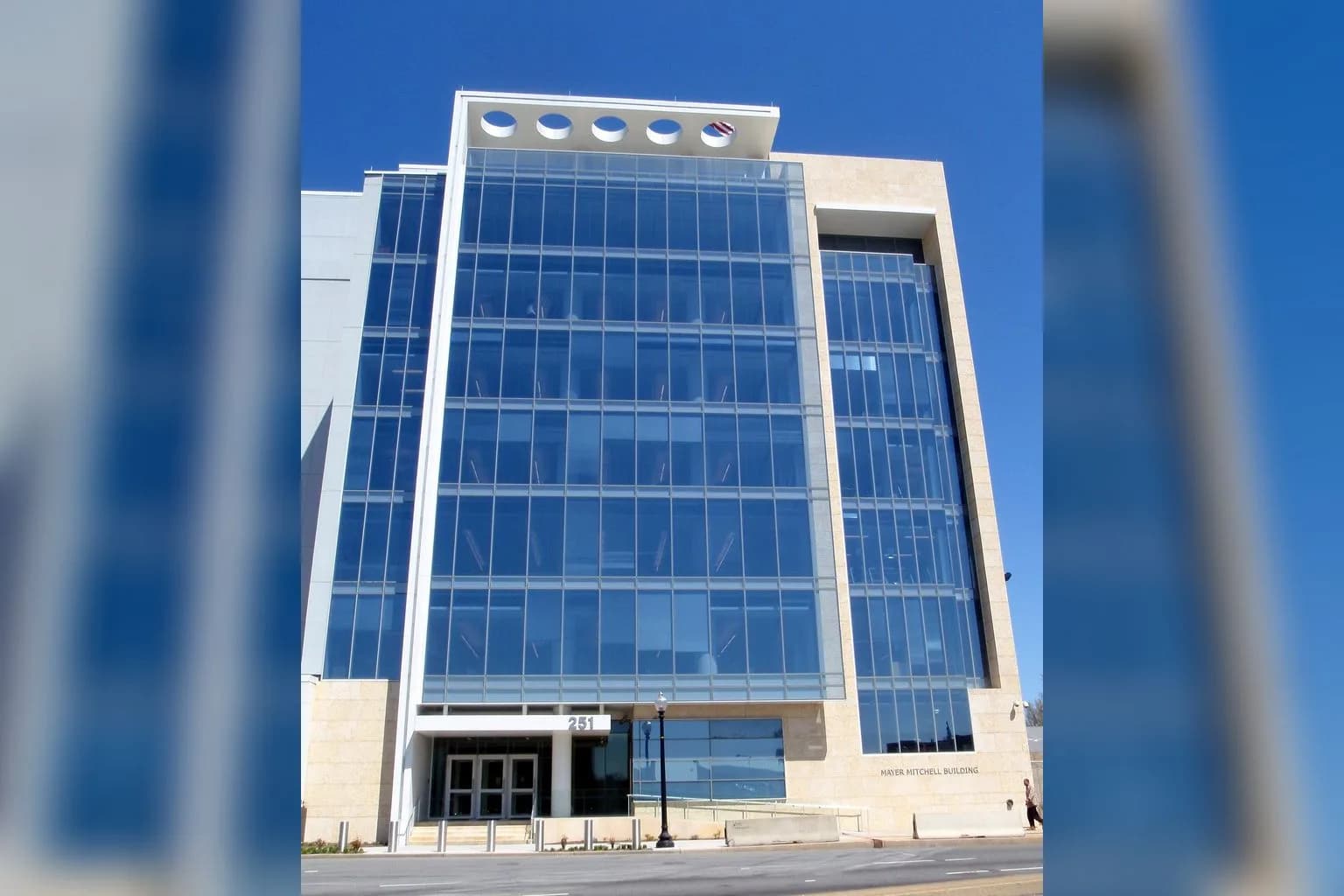
In a letter to members on Wednesday, the American Israel Public Affairs Committee said it would end its endorsements, direct political action committee contributions and earmarked funds for candidates. The decision followed a several-month strategic review by its board.
The reversal closes a five-year period in which AIPAC moved into direct candidate endorsements and political spending through its political action committee and affiliated super PAC, United Democracy Project.
AIPAC described 2026 in the letter as “one of the most challenging environments in recent memory” and said those challenges “will continue to grow.”
Its public support has become a burden in some Democratic primaries during the war in Gaza. Candidates have attacked opponents for accepting AIPAC backing, while some AIPAC-endorsed candidates have said they will refuse money from the organisation.
A Pew Research Center survey this year found that 80% of Democrats and Democratic-leaning independents viewed Israel unfavourably, compared with 53% in 2022.
The organisation’s decision will leave its traditional PAC without a direct role in candidate donations and endorsements. It will, however, continue to operate United Democracy Project, which can raise an unlimited amount of money and make independent expenditures.
Deryn Sousa, an AIPAC spokesperson, said members had given more than $90 million directly to candidates this cycle. She called the super PAC “one of the most important tools that AIPAC members use to help defeat anti-Israel candidates.”
AIPAC said it would “prioritize increasing direct, organized contributions from individual Americans to candidates—expanding upon our current efforts—and maximizing the emerging political fundraising tools.”
The change affects how those donations will appear in public records. Contributions routed through AIPAC are currently disclosed as AIPAC-earmarked contributions, while direct donations by members would not carry the same label.
The group’s direct and independent spending has been substantial. AIPAC contributed nearly $25 million to candidates and political committees in 2026 through Sept. 30, according to Federal Election Commission filings.
United Democracy Project contributed $13 million to candidates and political committees, and spent an additional $53.5 million in independent expenditures.
Combined, AIPAC deployed about $105.1 million through its traditional PAC and its affiliated super PAC this cycle, according to a CNBC analysis of Federal Election Commission filings.
Its traditional PAC gave $26.8 million in 2025, making it the nation’s largest PAC contributor to candidates and other political committees. During the 2024 and 2026 cycles, AIPAC became a major political spender through the two entities.
The limits of that spending were tested in Michigan’s Democratic Senate primary. United Democracy Project spent over $30 million supporting Rep. Haley Stevens and opposing Abdul El-Sayed.
El-Sayed, the Democratic nominee for U.S. Senate in Michigan, narrowly won the nomination despite the spending against him. The super PAC’s independent expenditures are also being used to campaign against him.
AIPAC had backed Stevens in the primary and spent heavily against El-Sayed.
Elsewhere, United Democracy Project spent more than $3 million opposing Democratic representative Cori Bush, roughly $2.3 million against Democratic candidate Tom Malinowski, and more than $4 million in the Kentucky primary in which Republican Thomas Massie was defeated.
AIPAC also paused fundraising for 18 House Democrats earlier this year after they voted to cut US aid to Israel.
Sen. Cory Booker, the Democratic senator from New Jersey, said he would reject donations from all outside political action committees, including AIPAC.
AIPAC’s new approach retains avenues for pro-Israel spending in congressional races, while shifting candidate support away from the group’s own direct PAC donations and endorsements.




Comments (0)