

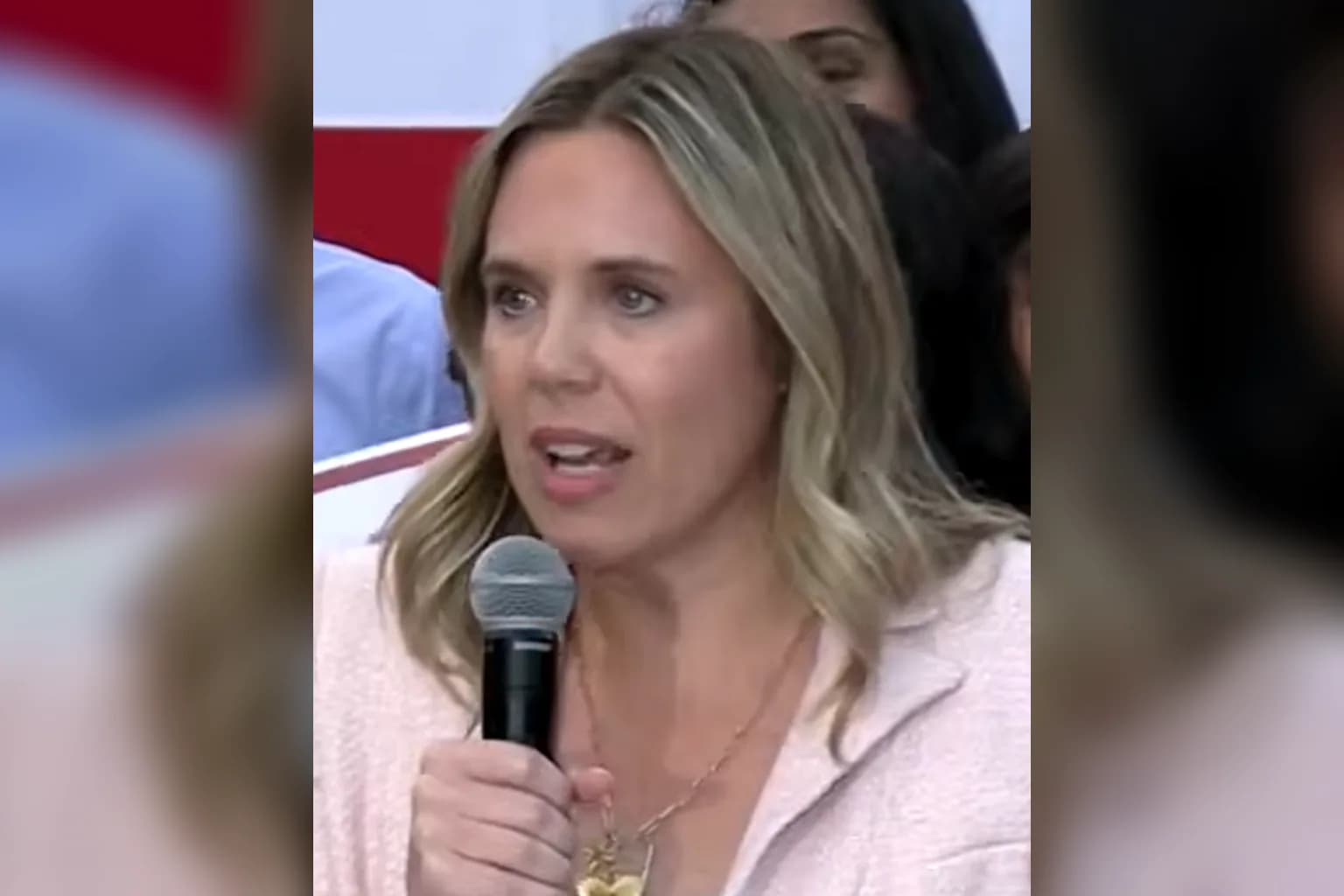
South Carolina’s next senator will be a Democrat and, for the first time, a woman elected by the state to the chamber. Annie Andrews defeated Senator Darline Graham, according to calls by CBS News, NBC News and Decision Desk HQ.
Andrews made affordability a central part of her campaign, saying she would seek to end tax breaks for the wealthy, raise wages and press for affordable child care. She raised $10.8 million, with 60% coming from small donors, and pledged to accept no money from corporate political action committees.
The contest began with the death in July of Lindsey Graham, the Republican senator whose vacant seat was filled by his sister. Governor Henry McMaster appointed Darline Graham to complete the term after Trump lobbied him to do so.
Darline Graham had never previously held elected office. Her route to the general election was difficult: she faced Representative Ralph Norman in a Republican runoff and won by less than 5 points.
During a primary debate with Norman, Graham said she was “not that informed on national security” and that “national security is not my thing.”
Trump urged Graham to seek a full term, posting “RUN, DARLINE, RUN!” on Truth Social and promising his “complete and total endorsement.” He rallied for her in Pendleton on 21 October and in Rock Hill a week later.
A Citadel poll had placed Andrews one point behind before the Pendleton event. Graham’s support was 7 points higher among voters surveyed afterwards.
Andrews, a now-former pediatrician, won the Democratic nomination in June by double digits. She campaigned on affordability, healthcare and opposition to endless wars.
She had drawn on her experience treating children whose families faced financial barriers to healthcare. Andrews told NPR: “I would diagnose kids with common chronic diseases like asthma and diabetes, and I found that while I would explain my treatment plan to the parents so often, they would say, ‘Well, how much is that inhaler going to cost?’ Or ‘How much is that insulin going to cost?’”
Andrews arrived at a canvassing kickoff event in Mount Pleasant, South Carolina, on 31 October 2026. Her campaign ultimately outraised Graham’s by more than $22 million, according to Federal Election Commission filings, primarily through grassroots donations.
In the final week, a New York Times/Siena poll showed the race tied. The close polling came despite Trump’s 18-point victory in South Carolina in 2024.
Andrews won 50.6% of the vote, with 93% counted by Tuesday evening. Graham received 47.2%.
The result makes Andrews the first Democrat elected to the Senate from South Carolina since Fritz Hollings in 1998. On Tuesday night, Andrews said Graham had called to congratulate her.
The result does not establish which voter groups moved to Andrews, how much Trump’s approval rating affected the race, or why Andrews exceeded expectations in a state Trump carried by 18 points in 2024. Pew Research Center put Trump’s approval rating at 30% last month.

Comments (0)