

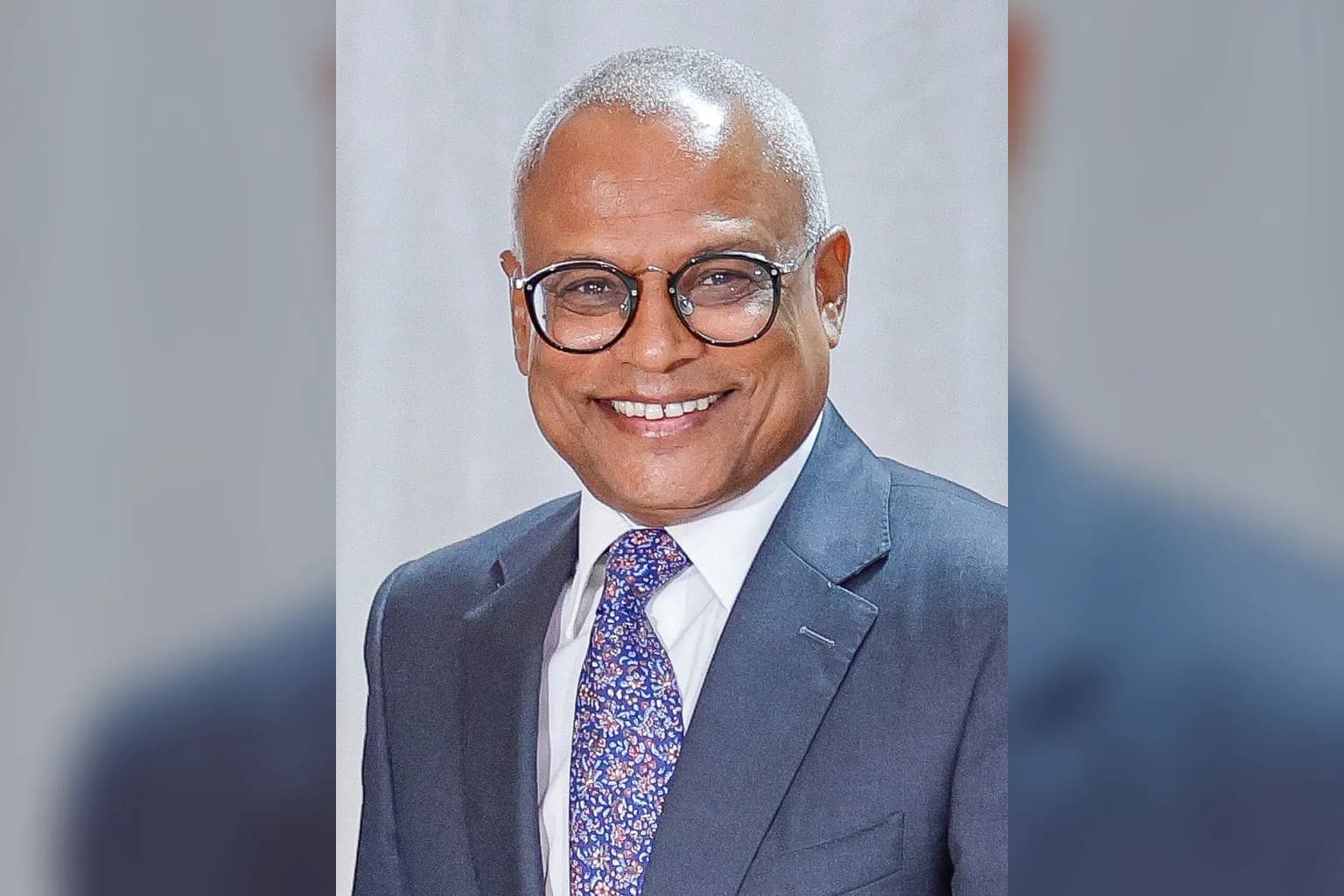
Joana Rosa Amado, Cape Verde’s former justice minister, conceded after Sunday’s presidential election, leaving José Maria Neves with a second five-year term. Provisional results showed Neves had won re-election as president.
Neves, 66, was the candidate of the African Party for the Independence of Cape Verde. He received 63.8 percent of the vote.
Rosa, 61, ran for the centre-right Movement for Democracy party and received 31.6 percent. She became the first woman in Cape Verde’s history to run for president.
The provisional count covered 97 percent of the 1,300 polling stations. Four other candidates received less than 1 percent each.
Rosa said she had congratulated Neves after conceding.
“When I embarked on this journey, I knew I had to be prepared for any outcome. I also said throughout the campaign that, as the first woman in Cape Verde's history to run for president, my candidacy would help pave the way for greater equality in our society,” Rosa said.
Neves said in his victory speech: “The president of the republic does not have a majority; the president of the republic belongs to everyone”.
He also said: “You can count on me to promote freedom, democracy and the rule of law, and to inspire the Cape Verdean nation towards inclusive and sustainable growth”.
Less than one-third of the 419,000 eligible voters took part. Neves attributed the low turnout to emigration, movement within the country and outdated voter records.
He promised a study of the low participation.
High unemployment and the high cost of living dominated the election and have fuelled emigration.
Cape Verde is made up of ten volcanic islands in the Atlantic Ocean, about 600 kilometers off the coast of Senegal. It has a system in which the prime minister heads the government, while the president has significant powers including the authority to veto legislation.
About 150 observers from African and European organisations watched the election.
The Mo Ibrahim Foundation, which defines governance as the political, social, economic and environmental goods a state must deliver to citizens, placed Cape Verde third among Africa’s 54 countries in its 2026 index. Only Seychelles and Mauritius ranked higher.
The national electoral commission is expected to announce official results this week.





Comments (0)