

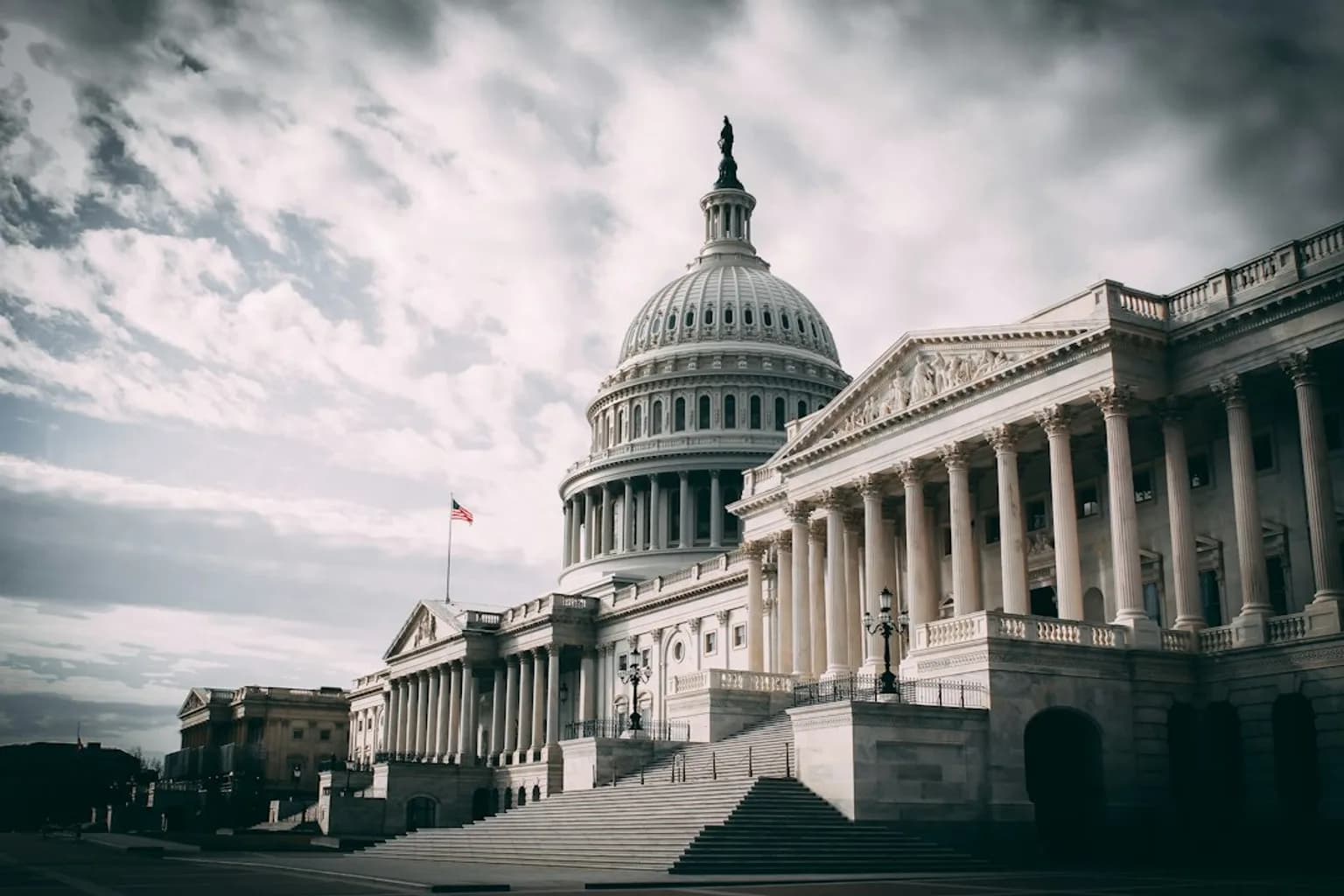
For President Trump, the November 3 midterms will determine whether his party keeps unified control of Congress or faces a Democratic-held chamber able to check his agenda.
Trump’s approval ratings have reached historic lows amid an unpopular war in Iran, aggressive immigration enforcement, tariffs, high gas prices and his co-opting of the Justice Department.
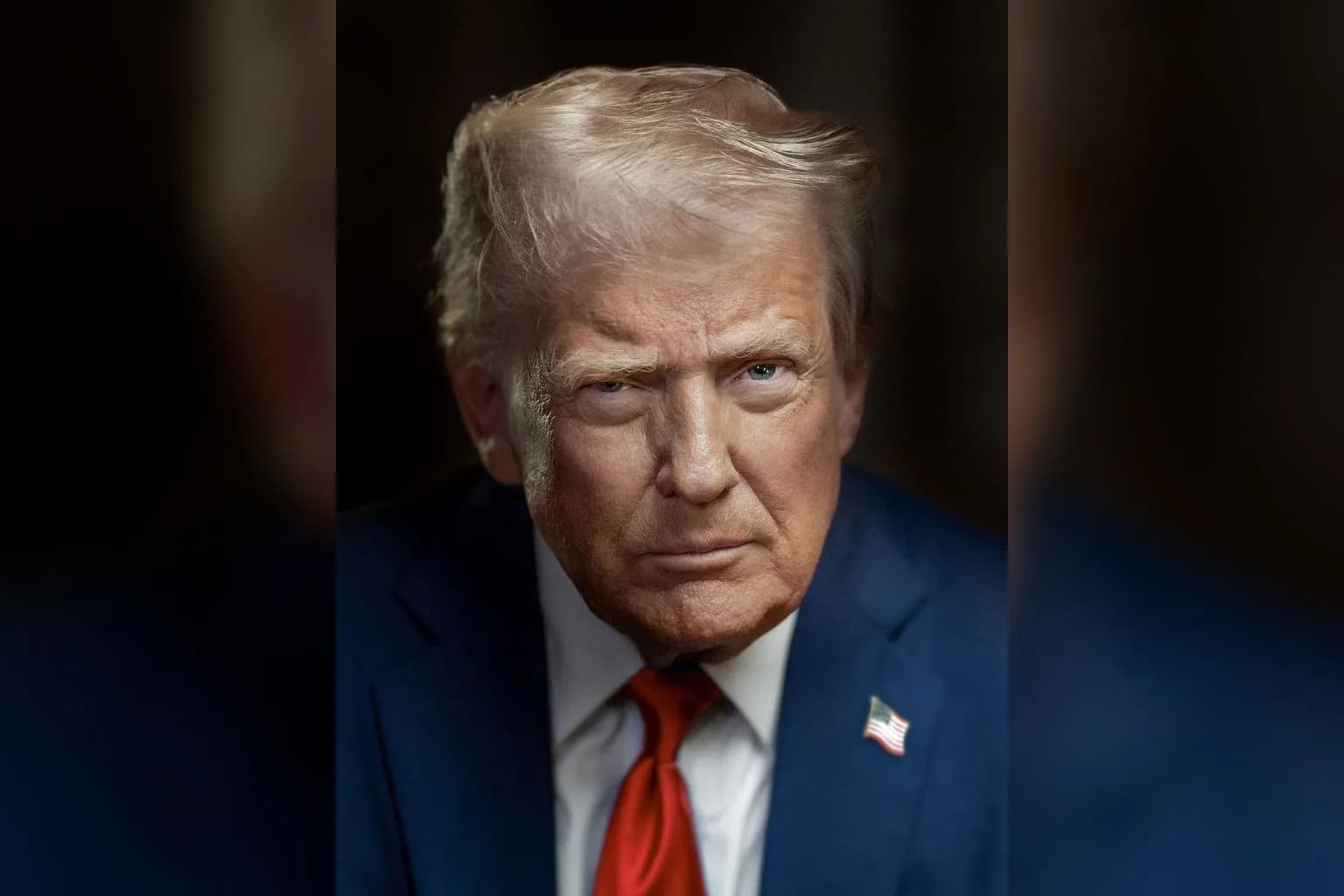
Trump is trying to turn the contest into a judgment on himself. On a campaign-style tour through Senate and House battlegrounds, he has promoted his record and told voters to “close your eyes and pretend I'm on the ballot.”
The appeal comes after Trump won the 2024 presidency and Republicans took unified control of Congress. Yet the party in the White House has lost House seats in 36 out of 41 elections going back to the times of Lincoln.
Recent polling points to a gap in voter energy. In a Reuters/Ipsos poll conducted September 30 to October 5, 48 percent of Harris's 2024 voters said they were “very enthusiastic” about voting in November, compared with 30 percent of Trump voters.
An Economist/YouGov poll found that 52 percent of Harris's 2024 voters were more enthusiastic about voting this year than in previous congressional election years. The equivalent figure for Trump's voters was 34 percent.
The motivation is also different. Among respondents enthusiastic about voting, 62 percent said opposition to Trump was driving them, while 36 percent said they wanted to support him.
Charlie Gerow, a Republican strategist, said: “The enthusiasm has to be ginned up among Republicans because turnout is what's going to determine the outcome of these midterm elections.”
A CBS News/YouGov Battleground Tracker has Democrats ahead in the contest for a narrow House majority. It cited resistance to the administration’s policies and lower expected turnout among Republican voters.
Decision Desk HQ’s latest polling averages give Democrats a 49 percent to 41 percent national lead over Republicans. Race to the WH put their chance of winning a House majority at 88 percent as of Thursday, with a 72 percent chance of winning the Senate.
That does not mean Trump has lost his core supporters. An Economist/YouGov poll conducted September 18 to 21 put his approval at 91 percent among MAGA voters, 75 percent among his 2024 voters and 79 percent among people identifying as Republicans. A later Economist/YouGov poll put those figures at 93 percent, 75 percent and 77 percent respectively.
Davis Ingle, a White House spokesman, told Newsweek: “No one can dispute the fact that President Trump has created one of the most robust coalitions in political history with the MAGA movement, and the President understands how to communicate with them.”
There are signs of strain beyond that core. Thirteen percent of Trump’s 2024 voters said they were unsure whom they would back in a congressional election, compared with 7 percent of Harris’s voters.
Young and Hispanic voters who moved towards Trump in 2024 are also showing movement towards Democrats. Democrats have gained over 11 percentage points of margin with Hispanics and young voters between 2024 and 2026.
Recent Pew Research Center research conducted September 28-October 4 found that about 51% of Hispanic registered voters preferred a Democratic U.S. House candidate, compared with 24% who favoured a Republican. It found that 53% of Hispanic registered voters were extremely motivated to vote this year, compared with only 41% four years ago.
Among likely young voters ages 18-29, Democrats lead Republicans by 63% to 26%. Only approximately 31% of young men said they would definitely vote in the 2026 election, compared with 42% in 2022.
The Senate map has added to Republican unease. Polls show Democratic Senate candidates competitive in historic GOP strongholds including South Carolina, Kansas, Texas and Mississippi.
A Politico poll of 2,001 adults from October 3 to 5 found that most Americans would be no more likely to vote Republican if Trump announced an end to the Iran war, 100,000 new jobs or a $1 per gallon fall in gas prices.
Alex Patton, a Republican strategist, said: “I think the cake is baked, but for some major external event.” He doubted the party could resolve the Iran issue, rising fuel and food prices, or the president’s low approval ratings before Election Day.
Brittany Martinez, a Republican strategist and executive director of Principles First advocacy group, said: “With three weeks to go, Republicans need something approaching a political miracle to turn this around.”
If Democrats take both chambers, it would be the sixth instance in 41 midterms since the 1860s in which a president with unified control of Congress lost control of both houses. The previous cases were 1894, 1918, 1946, 1994 and 2006.

Comments (0)