

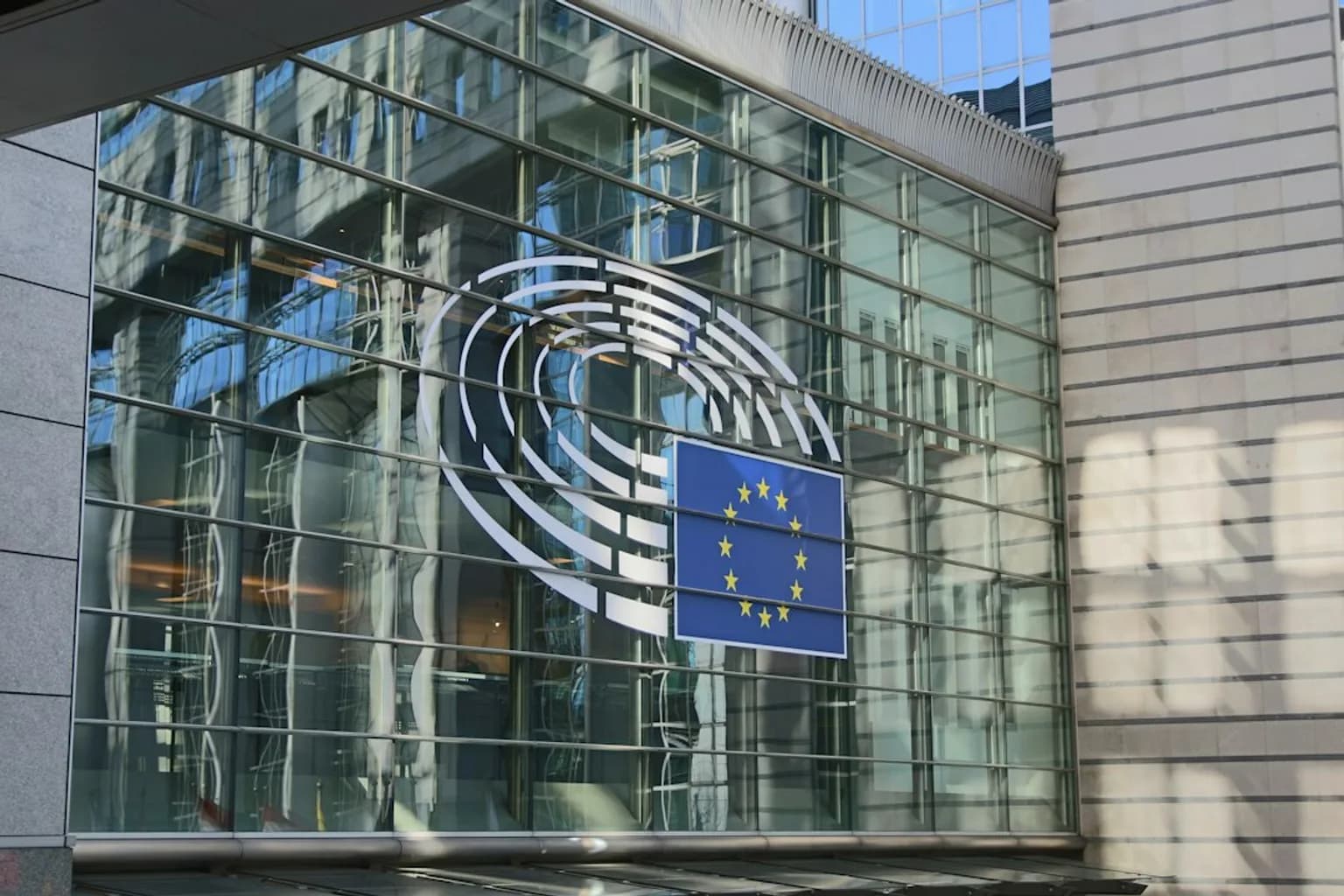
Friedrich Merz, Germany’s chancellor, rejected the spending level in the latest compromise proposal at the Brussels summit and demanded deeper cuts. The intervention left the largest contributor to the EU budget in absolute terms at odds with governments seeking to preserve established spending programmes.
Leaders from all 27 member states met on 15–16 October to consider the EU’s financial priorities for 2028–2034, after Ireland, which held the rotating presidency of the Council of the EU, presented a revised negotiating framework.
The European Commission had originally proposed a seven-year framework approaching €2 trillion in current prices, increasing spending from 1.1% of EU gross national income to 1.26%. Ireland presented a revised negotiating document on 10 October in an effort to narrow the differences between governments. The Irish plan would cut the 2028-2034 budget by 0.1 percent of GNI compared to the Commission’s proposal.
Negotiations centred on a proposed €1.62 trillion framework, a reduction of approximately €141 billion from the Commission’s earlier proposal.
Six so-called frugal countries, led by Germany, pressed for deep cuts to contain national contributions. Seventeen friends of cohesion sought to protect agricultural subsidies and regional development. The latter group also argued for greater EU spending on common public goods, while resisting substantial reductions in legacy spending.
The summit ended on 16 October without a final agreement. Leaders said that ‘the way forward is clearer’, though capitals remained deadlocked over what that path should be.
António Costa, the European Council president, called the budget “a political choice about the Europe we want to build”. He said leaders were “determined to reach an agreement by end of the year” while matching ambition with national contributions at a reasonable level. The European Council asked Costa to take the negotiations forward towards a timely agreement.
The task is institutionally exacting. Agreement on the seven-year framework requires unanimity among member states, followed by the consent of the European Parliament. The budget is intended to finance the EU’s strategic priorities from 2028 to 2034.
Council negotiations had been intended to secure a political agreement before the end of 2026, and the impasse threatens that timetable for approving the 2028–2034 Multiannual Financial Framework. Emmanuel Macron, France’s president, urged leaders to reach an agreement before the end of 2026, warning that future political developments could complicate the talks.
Ten EU member states will hold parliamentary or presidential elections next year, with the potential to alter the political balance across the bloc. France also faces the approach of its 2027 presidential election, adding to the pressures on the negotiation.
A special summit is scheduled for late November to advance the talks.

Comments (0)