

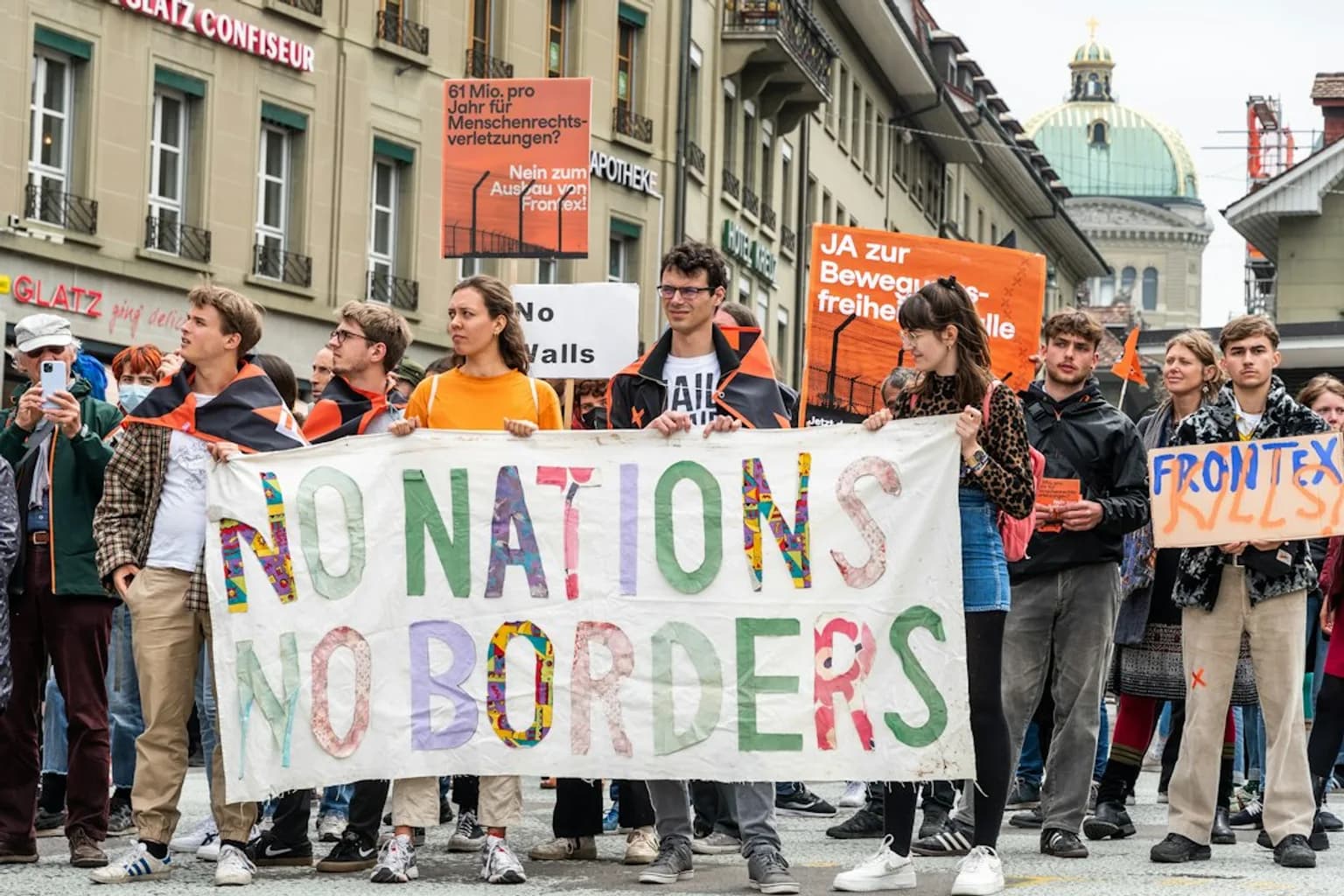
Magnus Brunner, the European Commissioner for Internal Affairs and Migration, said the Commission wanted Frontex to become “the central EU actor on returns” as it unveiled a plan to widen the border agency’s powers on 27 October in Brussels. The College of Commissioners approved the proposal, which would recast Frontex as a fully fledged “European return agency”.
The proposal would allow Frontex to carry out return operations beyond EU territory. It would also create a Quick Reaction Force that could deploy within 24 hours, an EU Return Coordination Center within the agency and an online monitoring centre to follow border-related developments on social media and support action against content linked to border-security risks.
Brunner said Frontex needed to “act faster, with a quick reaction force that can deploy within 24 hours and spot risks early, before an event becomes a crisis.”
The overhaul has three stated aims: a stronger Frontex role in deportations, earlier anticipation and response to border crises, and greater operational capacity without drawing border guards away from member countries.
The immediate political pressure came after a humanitarian crisis in Ceuta, the Spanish enclave on Morocco’s coast, this summer. Sudden, mass arrivals of migrants overwhelmed local capacity, exposing gaps in the EU’s ability to respond quickly at its external borders.
Italy then imposed temporary border controls on travel from Spain. Spain’s prime minister accused several EU member states of a “selfish” response to the influx.
In June 2026, leaders of 19 EU countries had urged the Commission to support return hubs outside the bloc, including through EU funding. EU lawmakers subsequently approved a new “return regulation” intended to speed deportations and allow member countries to establish controversial deportation hubs beyond the EU.
The new Return Regulation entered into force on 16 October. Before that, on 29 September, the Commission had set out a 5-point plan to prevent, anticipate and respond to sudden mass illegal arrivals, building on the European Strategy on Asylum and Migration of January 2026.
Ursula von der Leyen, the Commission president, had called for the number of European border and coast guards to be tripled to 30,000. In her 2026 State of the Union address, she said tools needed to evolve, particularly for emergency situations.
Frontex had around 7,800 personnel in its Standing Corps in early 2026 and is working towards 10,000 by 2027. The new plan envisages gradually reaching 30,000 officers by creating a “European border and return reserve” of 17,000 officers within the next 15 years.
The Commission has proposed a budget of €11.8 billion for Frontex, compared with its current allocation of six billion. Frontex carried out 64,000 returns last year, involving more than 220 flights.
The enlargement of the agency’s role also comes with a narrower remit for its internal rights watchdog. Under the proposal, complaints would be referred to national authorities.
Tineke Strik, a Dutch member of the European Parliament from the Greens/EFA group, said: “The Commission is pandering to populism and the far right on migration”. She added that “the Commission risks turning Frontex into a European version of ICE.”
The proposal arrives as illegal border crossings have fallen to their lowest level since 2021, while return rates have risen to over 30 per cent over the last two years.
The European Parliament and the Council must now decide whether to approve the plans. The Commission has said it will support the co-legislators as they take the negotiations forward.





Comments (0)