
European Parliament negotiators from the European People’s Party, S&D and Renew reached an overnight compromise in Strasbourg that would weaken the EU’s 2035 vehicle emissions rules. The agreement sets a 87.5% cut in CO2 emissions for cars and 80% for vans.
The deal would permit sales of new combustion-engine and hybrid cars after 2035. Under the previous regulation, no new cars emitting CO2 could be sold in Europe from that year.
It also provides for a 7.5% offset through the use of EU-made low-carbon steel.
The dispute reaches into a central part of the EU’s climate policy. Transport accounts for 29% of the bloc’s greenhouse-gas emissions, and the 2035 phase-out was agreed in 2023 to cut emissions from the sector as the EU pursues climate neutrality by 2050.
The European Commission’s original 2023 goal was a 100% reduction in car CO2 emissions from 2021 levels by 2035, which would in effect have ended sales of new combustion-engine cars.
Germany pushed hard for greater flexibility, saying that Volkswagen, BMW and Mercedes-Benz needed more time amid competition from China and US tariffs.
The Commission proposed last year that carmakers cut CO2 emissions by 90% from 2021 levels in 2035. That proposal envisaged offsetting the remaining 10% through low-carbon steel and alternative fuels.
Under the Franco-German element of the deal, the 90-percent target would be put into effect without a requirement to compensate the remaining 10 percent. It would also allow cars assembled in the EU with Chinese batteries to carry a Made-in-EU label.
Anna Krajinska, senior director at Transport & Environment, a clean-transport advocacy group, called the agreement “a historic mistake”. She said: “when drivers are facing record fuel prices and Europe’s car industry is under intense pressure from the Chinese, a deal that slows down the shift to EVs is the worst possible move”.
Krajinska also criticised the treatment of cars assembled in Europe with Chinese batteries. She called the Made-in-EU label “a scandal which will cost jobs across the European battery supply chain.”
The proposed deal would reduce the supply of electric vehicles to 43% in 2030, from 57% under today’s target. More than 50% of the cells used in electric vehicles sold in the EU were already produced in Europe in 2025. Under the EPP/Salini proposal, cumulative emissions to 2050 would be 40% higher than under current law.
Katharina Dröge, co-leader of the Green party’s parliamentary group in the Bundestag, criticised the Franco-German deal. “While China is racing towards the future, Merz and Macron are causing chaos and uncertainty for the market and consumers,” she said.
Martin Kaiser, executive director at Greenpeace Germany, said renewable and low-carbon fuels would be expensive and insufficiently available to ensure transport climate targets were met under the proposal.
Electric cars charged at home cost 50% less to run than petrol and diesel cars as of 14 September 2026. Nearly 8 million electric cars in the EU avoided 46 million barrels of oil in 2025, worth €2.9 billion.
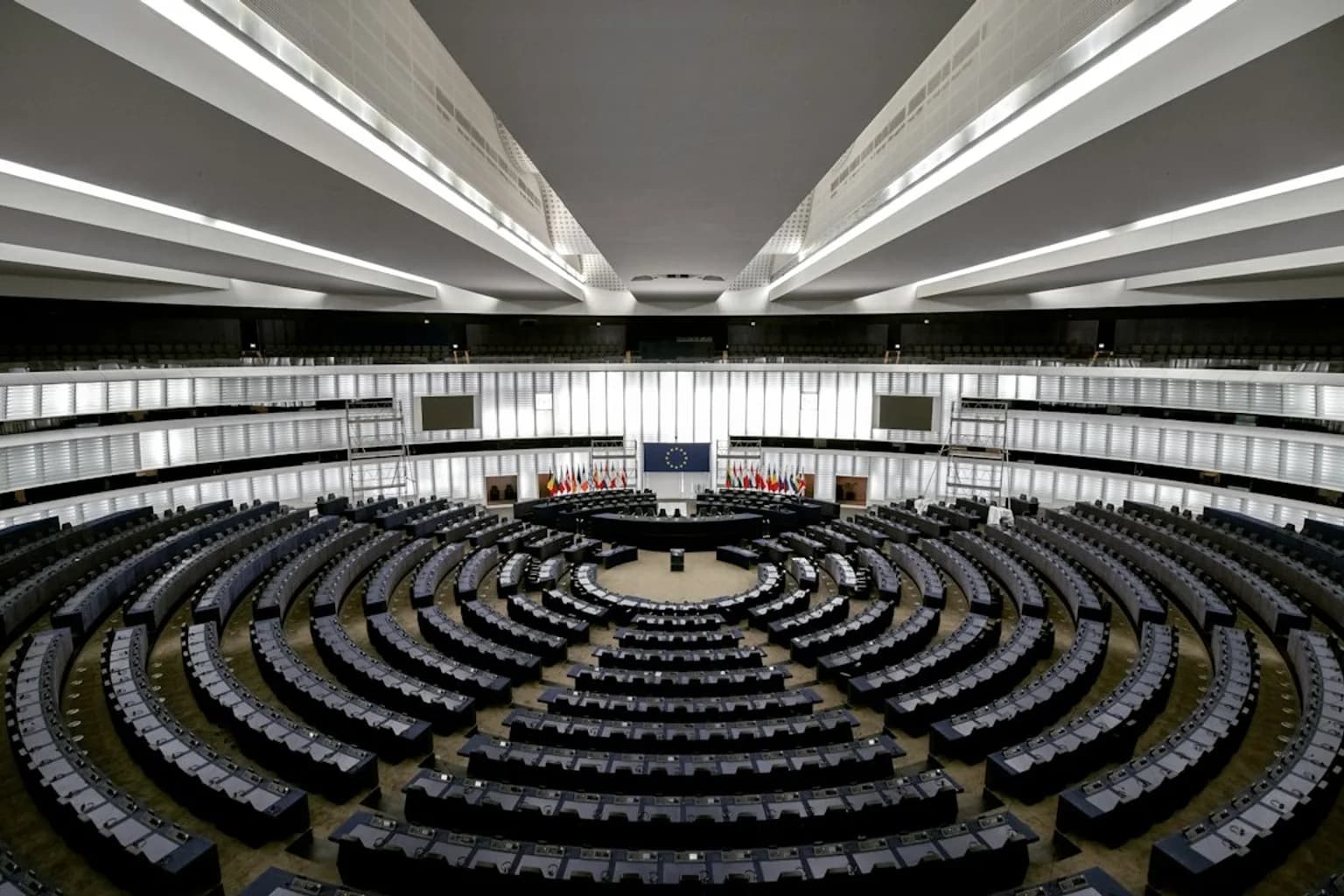
The compromise still needs approval from the three party groups before moving through Parliament. The Transport Committee and Industry Committee are scheduled to vote on the combustion-engine phase-out on Thursday, followed by an early-November vote in the lead Environment Committee. The full Parliament was scheduled to set its position in December.




Comments (0)