
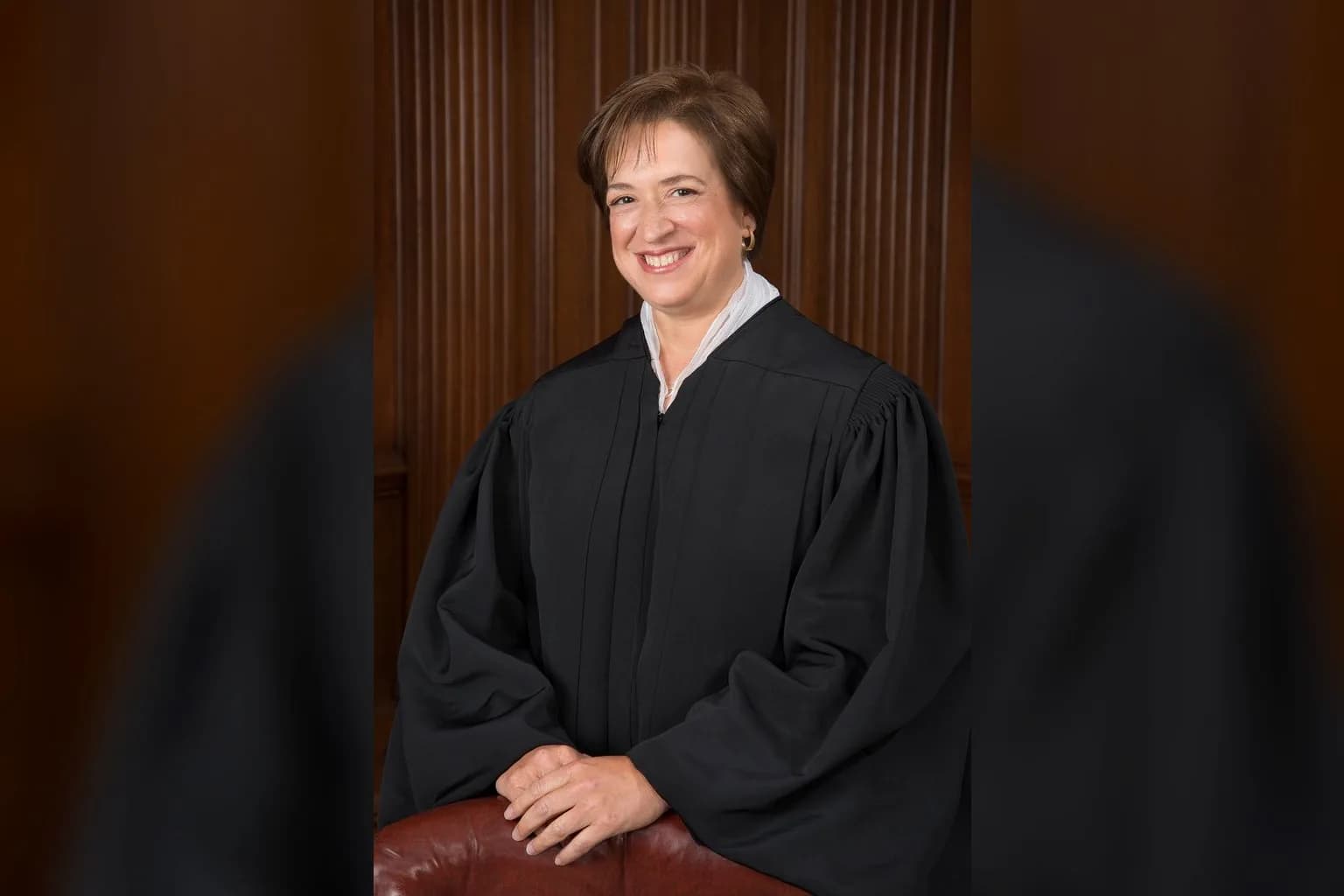
Justice Elena Kagan, one of the Supreme Court’s three liberal justices, spoke at Catholic University’s law school in Washington, D.C., on Tuesday, two weeks before the midterm elections for control of Congress. She appeared alongside J. Joel Alicea, a panelist and former clerk for Justice Samuel Alito.
Kagan used the appearance to criticise the court’s 6-3 conservative majority and its decisions on voting rights, partisan gerrymandering and campaign finance. She said the rulings had undermined democracy.
Her argument centred on a 2019 decision that barred federal courts from acting to limit extreme partisan gerrymandering. Kagan wrote the dissent in that case.
She said the decision had produced a cycle in which “both parties have been engaged in a race to the bottom in terms of doing these partisan gerrymanders”.
Kagan said the resulting map-drawing had increasingly removed competitive districts. In her account, heavily tilted maps leave candidates focused on primary elections, “driving people away from the center, towards the wings, toward the extremes”.
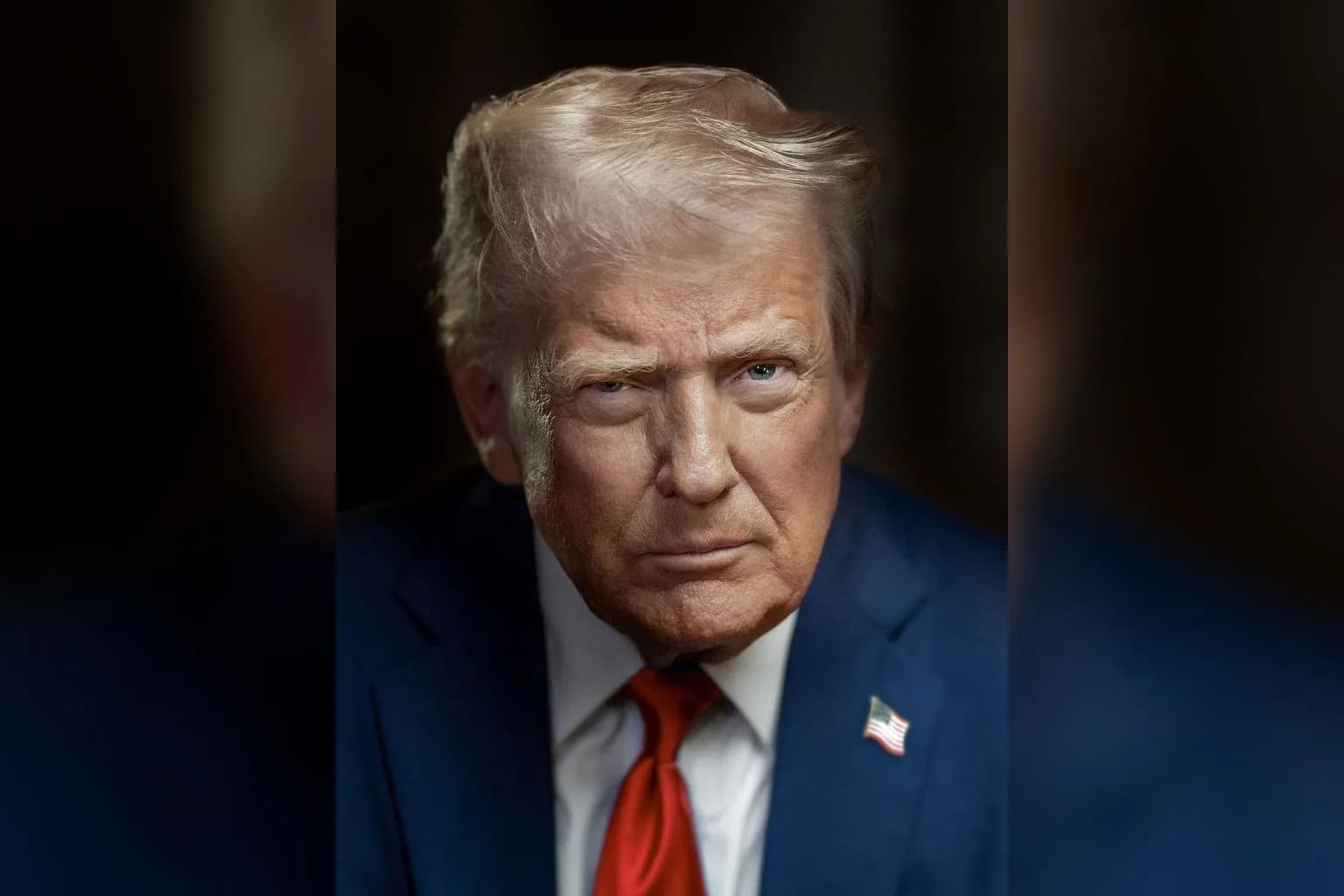
Texas redrew its congressional maps to maximise seats the majority party can win, at President Donald Trump’s urging. California was among other states that redrawn their congressional maps ahead of the Nov. 3 midterm elections.
Kagan also pointed to the court’s voting-rights decisions. This year, it further narrowed protections in the Voting Rights Act that had helped increase minority representation. A ruling this year led Republican states to eliminate majority Black districts, and Kagan dissented from those decisions.
On campaign finance, the court most recently struck down restrictions in June. Kagan said voters saw the money flowing through political contests as a problem: “I think you know the people of America look around this political system and think that all this money, chasing all these political candidates, is a nightmare, and they're right”.
Kagan described the court as “deeply conservative”.
She also offered a limited defence of the court’s record in cases where it had “definitely pushed back on the president,” citing the president’s attempt to impose sweeping tariffs.

Comments (0)