
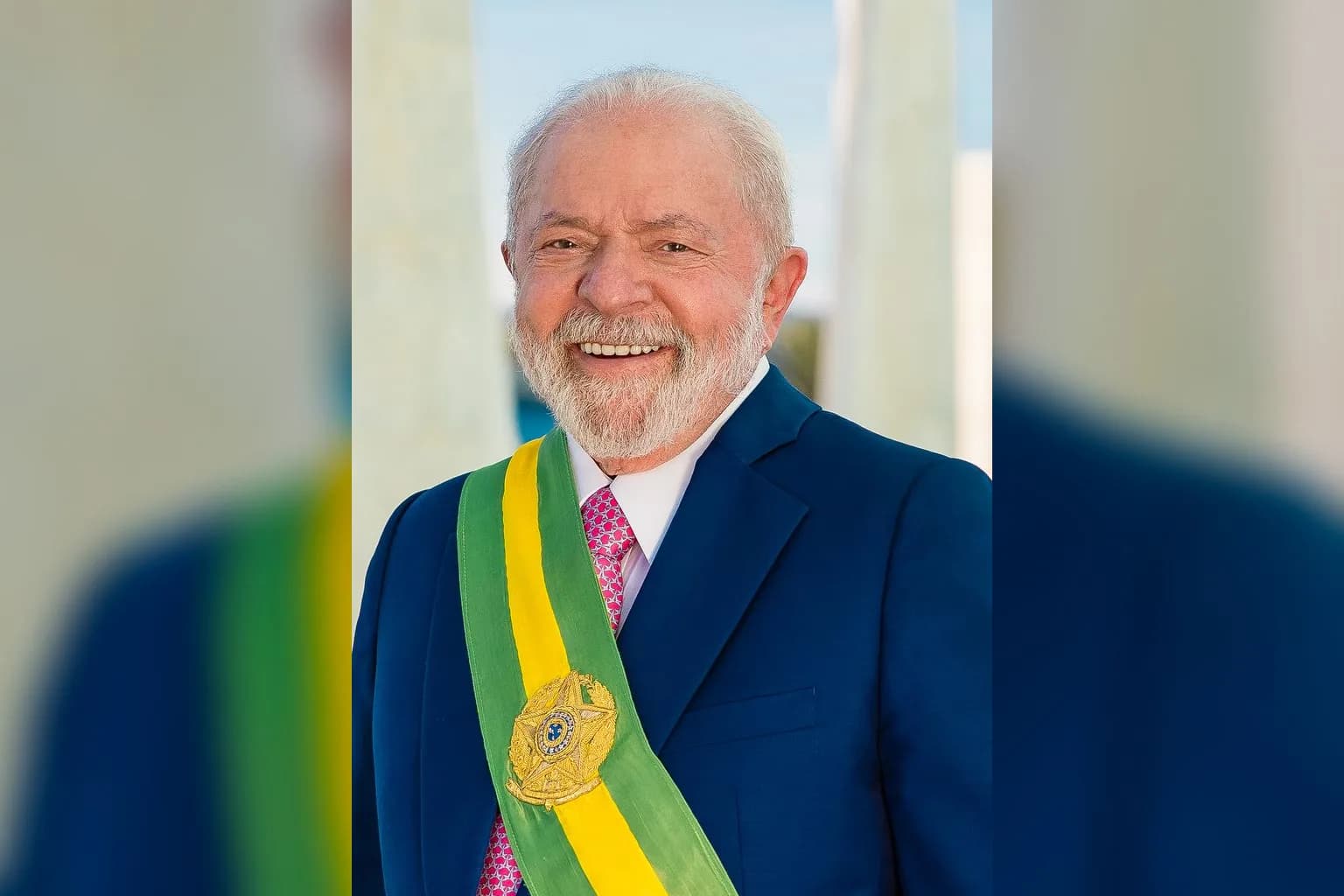
Voters in Salvador faced long waits and packed buses from early morning on 25 October 2026 as they tried to reach polling places for Brazil’s presidential run-off between the incumbent President Luiz Inácio Lula da Silva and Flavio Bolsonaro.
Lula’s campaign had complained that bus shortages were preventing voters from reaching polling places in multiple states. His run-off effort had focused on poorer voters who depend on buses.
In Salvador, the capital of Bahia state, the head of the electoral court ordered the Federal Police to arrest the city’s mobility secretary before lunchtime. The order concerned allegations that the official had directed a reduction in the city’s bus fleet.
The dispute over transport reached the Supreme Court minutes after polls officially closed at 5pm Brasilia time on Sunday. Justice Cristiano Zanin ordered voting to continue for two more hours after accepting Lula’s campaign complaint about bus shortages.
Zanin had been Lula’s lawyer before joining the court in 2023.
The Superior Electoral Court stopped publishing results at 5.20pm, with 0.25 per cent of machines counted. No Brazilian court had previously prolonged voting.
About an hour after his initial ruling, Zanin confined the extension to stations whose voting machines had yet to be shut down. Some voters were therefore able to cast ballots until 7pm, while others were sent home.
The transport question had also surfaced in São Paulo. The regional electoral court instructed the city on Saturday afternoon to put its entire bus fleet on the streets for the vote, an instruction the municipal transport company said it received with less than 12 hours’ notice.
Voting is compulsory in Brazil, although millions do not vote and pay a small fine.
When the final count was complete, Lula had won 51.79% of the vote, according to the Superior Electoral Court, against 48.21% for Bolsonaro. The margin was just over four million votes.
Lula had entered the run-off after finishing second in the first round this month, taking 45.16 per cent of valid votes to Bolsonaro’s 47.03 per cent. His victory made him the first candidate since Brazil’s return to democracy to lose the first round and then win the presidential run-off.
Bolsonaro had stood in for his father, the former president Jair Bolsonaro, who is barred from office after the Supreme Court convicted him last year of plotting a coup following his 2022 defeat by Lula.
Speaking from São Paulo after his victory, Lula said: “Thanks to the Brazilian people for their generosity, to the youth who took to the streets to defend democracy”.
Bolsonaro did not concede. Speaking briefly from Brasilia after the result, he said it was “difficult to acknowledge the results given the current context”.
Comments (0)