

For housing protesters in Lisbon and Porto, the police clearances brought arrests and injuries, then drew thousands back into the streets on Sunday afternoon.
The camps had been set up after marches against government plans to make evictions easier and end rent caps on new leases. Police commander Iuri Rodrigues said the tents had been erected illegally and issued three warnings for their removal.
Thousands had marched through central Lisbon on Saturday against Portugal’s housing crisis and the proposed rental legislation. Among them was André Paiva, a 46-year-old father and protester, who said: 'It is impossible to raise a family, even when you work and pay taxes.'
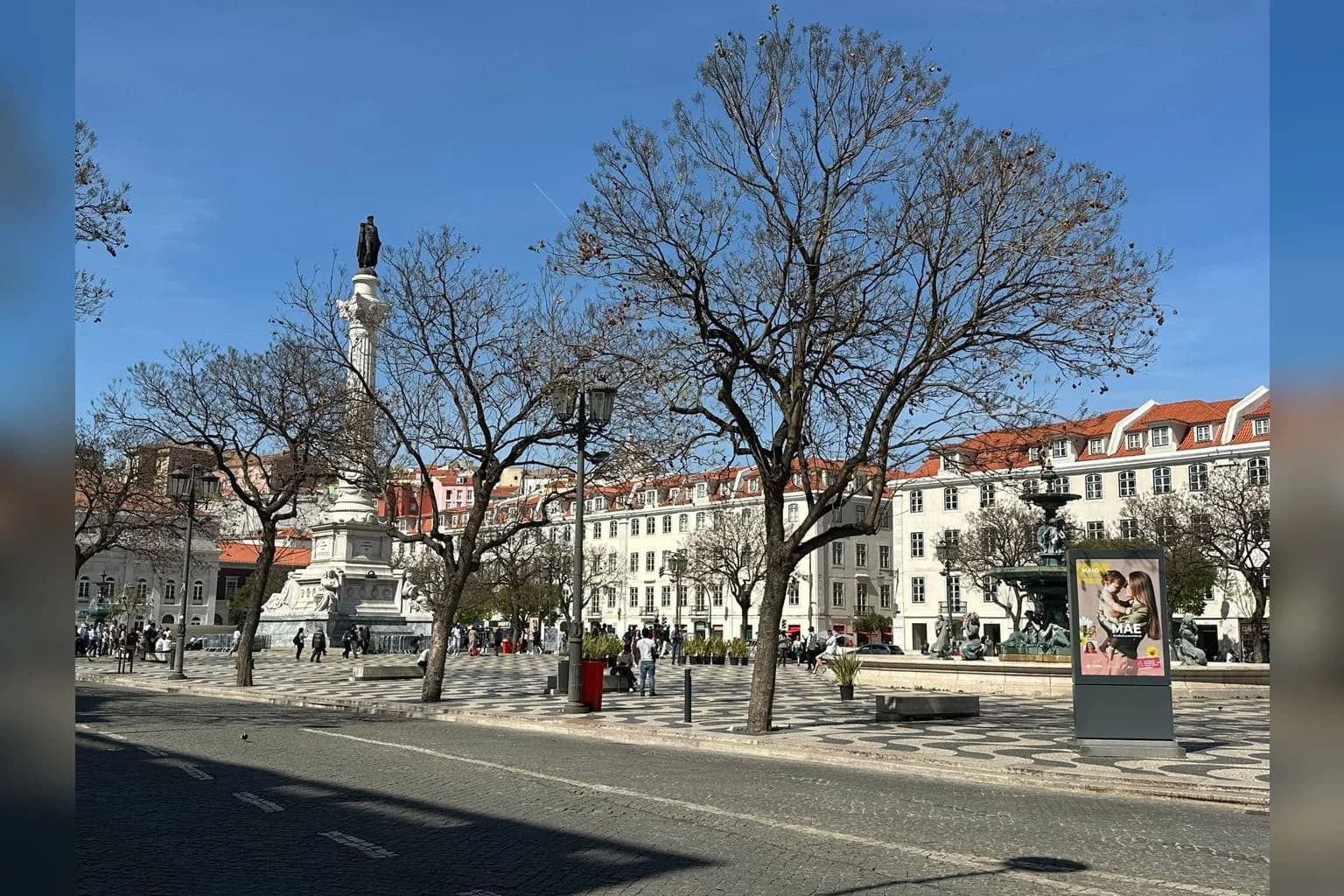
After the march, demonstrators put up more than 50 tents in Lisbon’s Rossio Square. A smaller encampment was established in Porto’s Dom Joao I Square.
At about 4:30am (04:30 GMT) on Sunday, dozens of officers accompanied by police dogs entered Rossio Square. Police used shields and batons to disperse hundreds of demonstrators who were protecting the camp.
Police also dismantled the Porto camp at around 4:30 a.m. local time. Police said some demonstrators threw bottles and paint at officers during the clearances, and that plain-clothes officers monitoring protesters were assaulted in Porto.
Six people were arrested in Lisbon and seven in Porto for refusing orders to disperse. Thirteen police officers were injured, with eight taken to hospital.
The extent of civilian injuries remains unclear. Acampada Lisboa said more than 30 protesters were injured in Lisbon, including 10 who required hospital treatment, while Porto protest organisers said 38 people were injured there, including three seriously.
Acampada Lisboa called a rally against the police operation for Sunday at 5:00 pm (1700 GMT). More than 2,000 people gathered in Lisbon and around 1,000 in Porto that afternoon to protest against the crackdowns.
Pedro Delgado Alves, a lawmaker, said Rossio Square had been peaceful and that the use of force, physical violence and baton charges had no justification.
Antonio Filipe, a member of the Central Committee of the Portuguese Communist Party, called the police violence 'unacceptable in a democratic system'. The party requested an emergency plenary session of the Assembly of the Republic to discuss police conduct.
A lawyer representing those detained in Porto said the police response was disproportionate. Interior Minister Luis Neves defended the operation and said the encampments had to end.
The protests have arisen amid sharply higher housing costs. House prices in Portugal have more than doubled since 2017, while rents on new leases have almost doubled. The Bank of Portugal estimates a nationwide shortage of 300,000 homes.
Prime Minister Luis Montenegro has ruled out withdrawing the bill, while saying changes could still be made before the final vote.




Comments (0)