
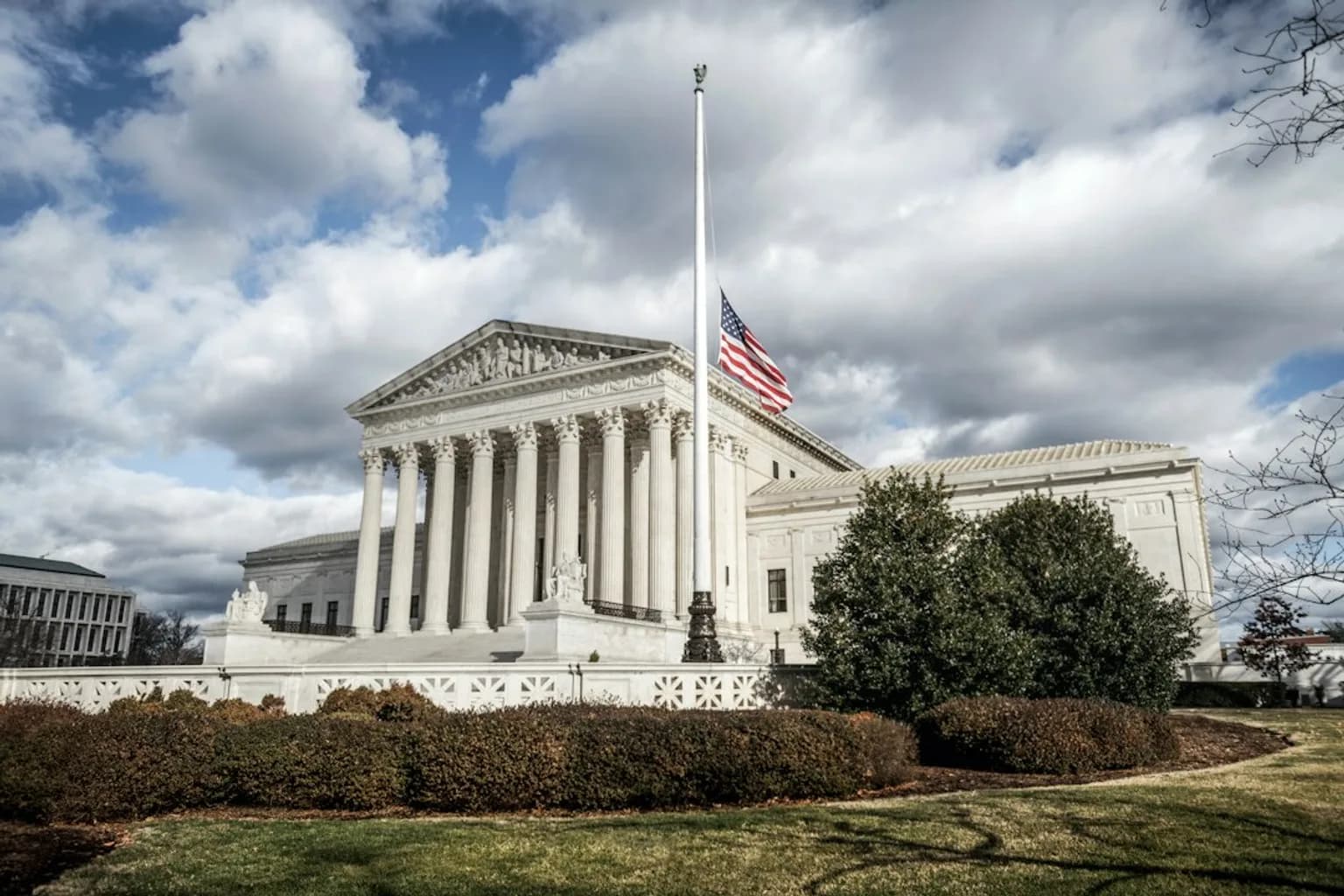
California can continue counting votes in its midterm election after the Supreme Court declined to halt the process while voters’ citizenship status was checked.
President Donald Trump’s administration, acting through the Department of Justice and Department of Homeland Security, had tried to identify and remove ballots it said were linked to noncitizens. On Monday, the Justice Department asked for a “limited injunction” ordering California to “stop commingling suspected illegal ballots with legal ones” while voters were verified.
The court acted within hours of that request, as early voting had already been under way in California for several weeks and hundreds of thousands of ballots had been processed. It rejected the administration’s bid to make the state set aside thousands of ballots, without explanation, recorded dissents or a request for a response from California.
The dispute began on July 16, when the Department of Homeland Security told California that more than 190,000 noncitizens might be registered to vote. California’s secretary of state raised doubts about the data a week later and asked the department for more detail about its methodology.
On Oct. 13, the Justice Department sent state officials a revised list of 20,000 people it described as “likely” noncitizens who had been sent ballots. The federal government brought a lawsuit based on those allegations in mid-October, and a California district court rejected it.
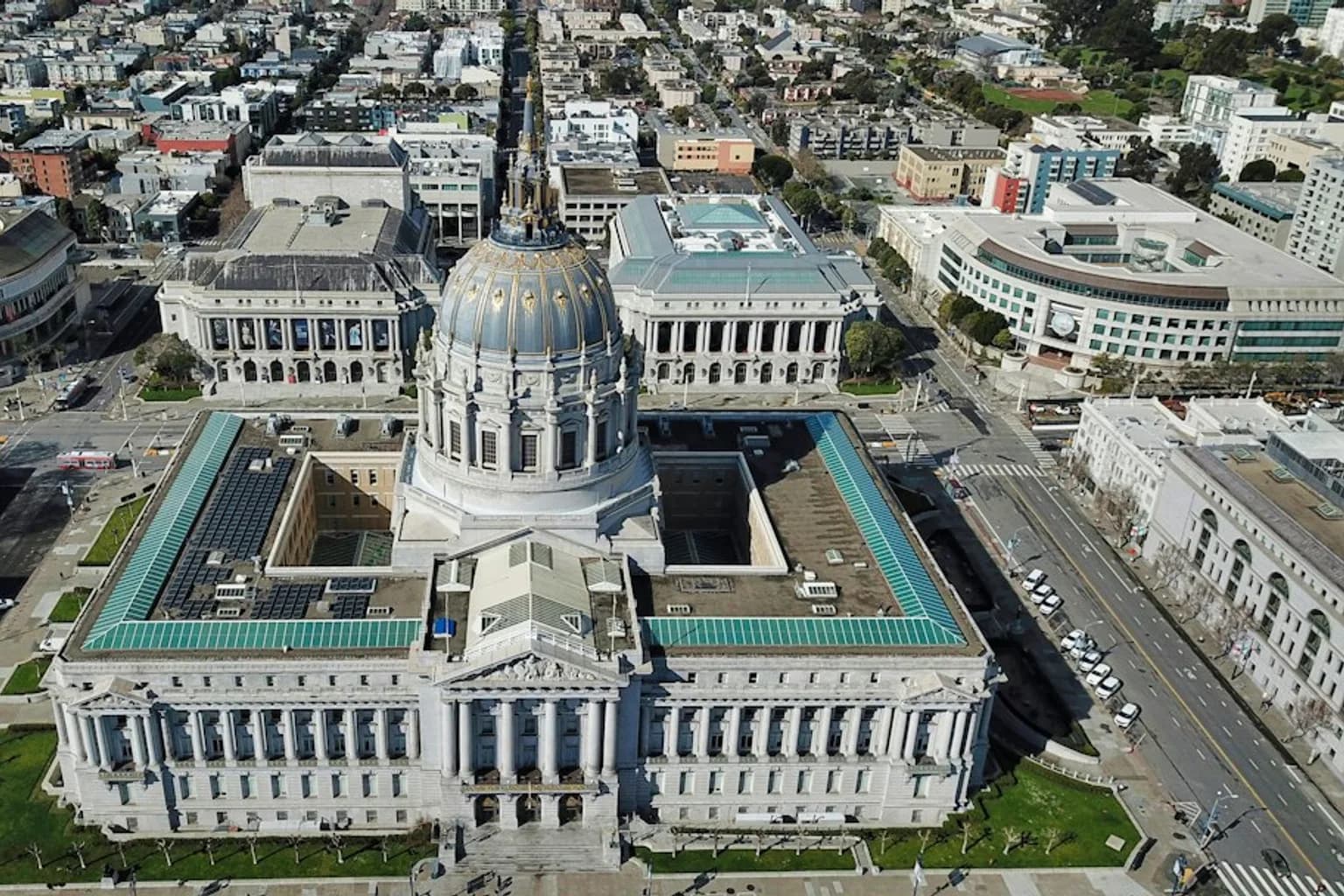
Los Angeles District Judge David Carter warned that separating ballots during the election would “wreak havoc” on the election process and undermine voters’ trust in the democratic process. He wrote: “If the executive can discount votes and threaten an ongoing election due to unproven allegations, then our democracy is in danger.”
California said the administration’s process for identifying non-citizen voters was likely flawed and contained errors. An analysis submitted in a legal filing found that thousands of US citizens on the list appeared to have been inexplicably flagged as ineligible to vote. Carter also said people recently identified as noncitizens on voter rolls in other states had repeatedly proved to be naturalised US citizens.
On Friday, the 9th US Circuit Court of Appeals ruled 2-1 against the administration, finding that the Justice Department was intruding on constitutional powers held by the states. The panel’s two Trump-appointed judges split, with one joining the majority and one dissenting.
Nevada officials said a similar list sent by the administration had contained zero noncitizens. The Supreme Court’s decision arrived on the eve of the final day of voting in the midterm election in a largely Democratic state.
Governor Gavin Newsom said California would deploy election law experts and poll observers, alongside a help line for voters reporting attempts at intimidation or interference at the polls.
Comments (0)