

When trade talks between the Trump administration and Canada collapsed in August, President Donald Trump imposed 50% tariffs on $20 billion of Canadian goods, citing what he described as unequal treatment of US cars, dairy and alcohol.
The dispute has particular weight in Maine, which borders the Canadian provinces of New Brunswick and Quebec and imports far more from Canada than from any other country.
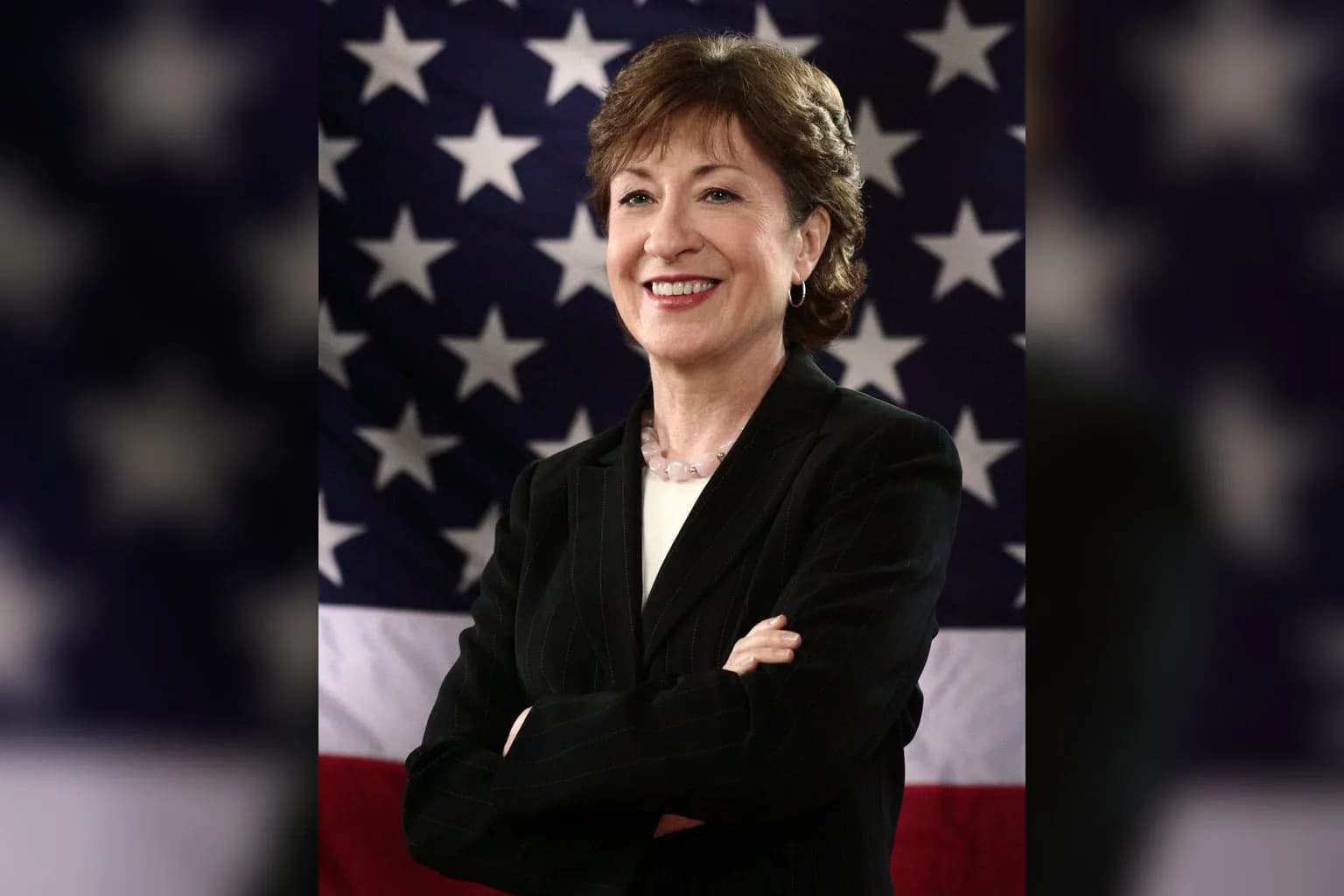
Senator Susan Collins, the Republican incumbent in a competitive reelection contest and among the most endangered Senate Republicans, pressed the administration for relief through repeated conversations with US Trade Representative Jamieson Greer and Commerce Secretary Howard Lutnick. Her office said she had sought additional exemptions in those discussions.
Collins had already won an exemption for road salt last month. In the first televised debate on October 6, she took credit for removing it from the tariff list, prompting her Democratic opponent, Troy Jackson, to reply that Maine voters “can't eat road salt.”
On October 24, 2026, the Trump administration announced exemptions for 22 Canadian products, with the changes due to take effect on October 30, four days before the November 3 election. Collins said the list included corrugated paper and boxes, plastic boxes and crates, plastic packing bags, refrigeration and freezing equipment, agricultural machinery, filling and labelling machinery, packing machinery, and seaweed and algae products.
She said the exemptions would assist Maine’s blueberry, potato, apple and seaweed industries. “Many of our farmers and growers rely on specialised equipment, packaging materials and other products from Canada that are either unavailable from American suppliers or cannot be replaced without incurring significant expense,” Collins said.
Less than an hour after Collins promoted the exemptions, the White House said 100 new products would face 50% tariffs. The additions include cocoa powder, paints and varnishes, shampoo, municipal and clinical waste, wooden coffins and sticks, carpets and turf.
Using US trade figures from 2025, the products being removed from the tariff list were worth $5.1 billion, while the newly tariffed products were worth $2.6 billion.
Jackson, a fifth-generation Maine logger whose campaign has made Trump’s trade policies towards Canada a central issue, said Collins “wants credit for bringing a cup of water to put out the fire.” He added: “We deserve a Senator who stands up to Trump – not one who rubber-stamps his agenda and begs for relief from the chaos she helped create.” In a separate statement, Jackson said: “Trump's trade wars have made life harder and more expensive for Mainers. Susan Collins enabled this chaos, voted to confirm the people behind it, and now wants credit for bringing a cup of water to put out the fire.”
Early voting is already under way in the Maine Senate race. The latest Beacon Research and Shaw & Company Research poll put Collins and Jackson at 49 per cent each. There have been no new substantive discussions between the US and Canada since the tariff negotiations collapsed in August.

Comments (0)