
California voters whose names appear on a federal list could have their mail ballots separated from the election count if the Supreme Court grants the Trump administration’s emergency request.
The Department of Justice says it identified 20,000 people on California’s voter roll who are “likely” noncitizens, and argues their ballots should remain uncounted until their citizenship is verified.
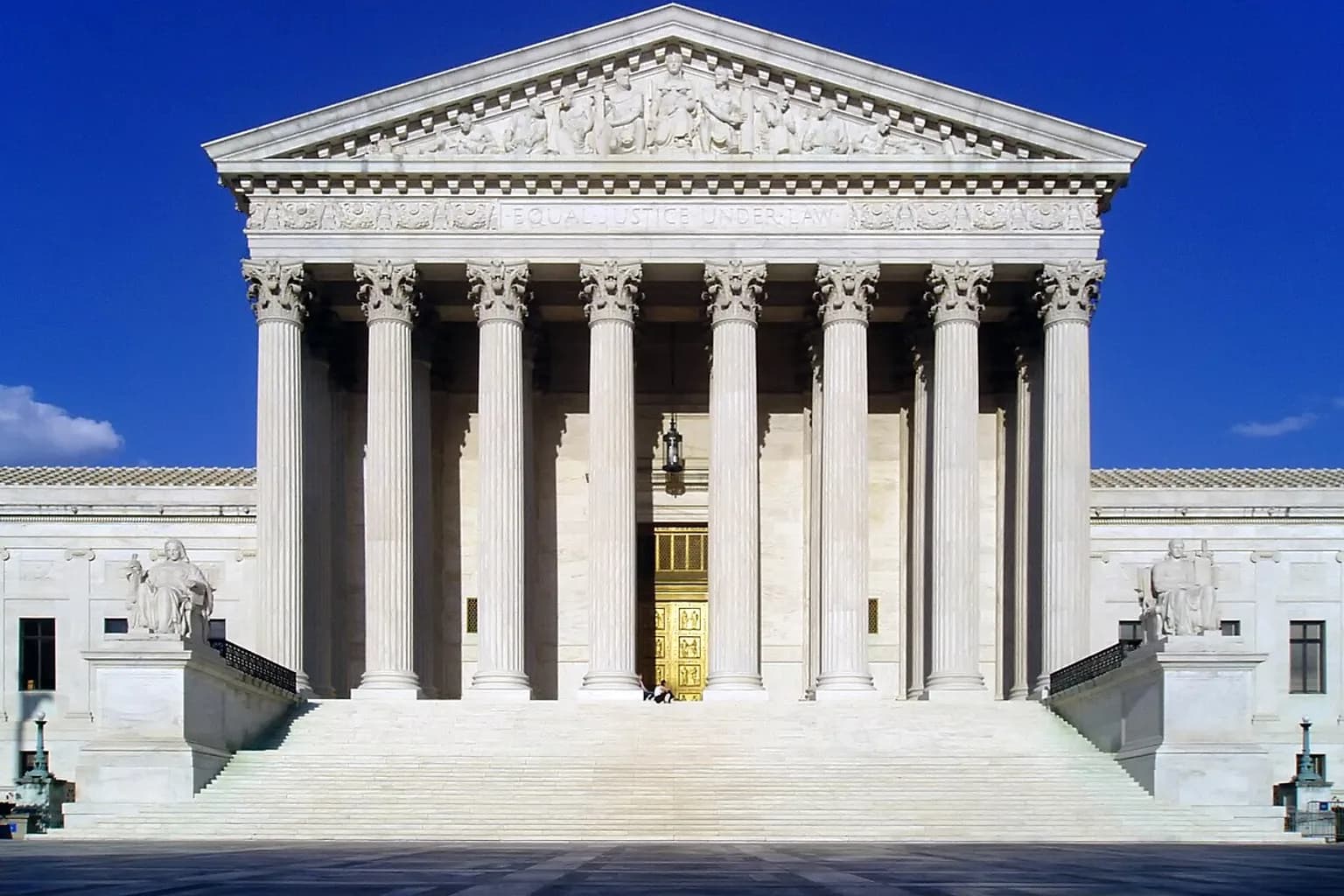
Solicitor General D. John Sauer filed the petition on Monday, one day before Election Day, after the administration failed to secure the same result in a federal district court and the 9th Circuit Court of Appeals. The application has gone to Justice Elena Kagan, who handles emergency matters from California.
The administration’s request arrives after voting began in California in early October. More than 6 million mail ballots had been returned statewide as of Sunday.
The dispute began on October 15, when the DOJ sued California in US District Court in Los Angeles. It sought to prevent election officials from tabulating mail ballots from 20,000 people whom the department alleged were likely noncitizens.
The department had earlier given Los Angeles County officials a thumb drive containing names of voters it suggested could be noncitizens. It also sent subpoenas to election officials in California and reminded them that they could face criminal prosecution for allowing ineligible voters to cast ballots.
Judge David Carter, a Clinton appointee, rejected the DOJ’s request for a temporary restraining order. He wrote: “This case is about the right of every American citizen to vote in a free and fair election.”
The DOJ appealed, and a divided 9th Circuit panel ruled 2-1 on Friday against segregating the ballots. Judges Mark Bennett, a Trump appointee, and Gabriel Sanchez, a Biden appointee, formed the majority. Judge Patrick Bumatay, also a Trump appointee, dissented.
Bennett and Sanchez said granting the request could disenfranchise voters and jeopardise the county’s entire election. They cited the Purcell principle, a longstanding precedent holding that election rules should not be changed on the eve of an election.
California and Los Angeles County argued that the federal list was unreliable, while the courts found a new system for sorting ballots during an election already under way infeasible. The number of ballots actually at issue is likely lower than 20,000 because many people named by the DOJ did not have active voter registrations and had not received ballots, county election officials found.
Los Angeles County officials said only 7,035 of the 20,000 names on the DOJ list had county addresses. Some people listed were confirmed to be US-born citizens. Data scientists at UCLA’s Voting Rights Project found that 42% of the names did not appear on California’s current voter roll, and that naturalised citizens appeared on the list.
Dean Logan, the LA County Registrar, accused the DOJ of taking “a confrontational, adversarial approach” at every step. At least three employees of the LA County Registrar-Recorder’s office were subpoenaed and ordered to appear at the federal courthouse in Santa Ana on November 4, the morning after the election.
Late Friday, a federal judge in San Francisco issued a separate temporary restraining order barring the Trump administration from threatening, intimidating or coercing election officials over ballots cast by registered voters whom the federal government alleges are ineligible.
In the Supreme Court petition, Sauer said the United States had identified more than 20,000 registered California voters whom it considers likely not to be US citizens. He argued that once challenged ballots are mixed with lawful ballots, they cannot later be retrieved.
California must certify its election results by December 3. A further hearing before Carter is scheduled for November 13.



Comments (0)