

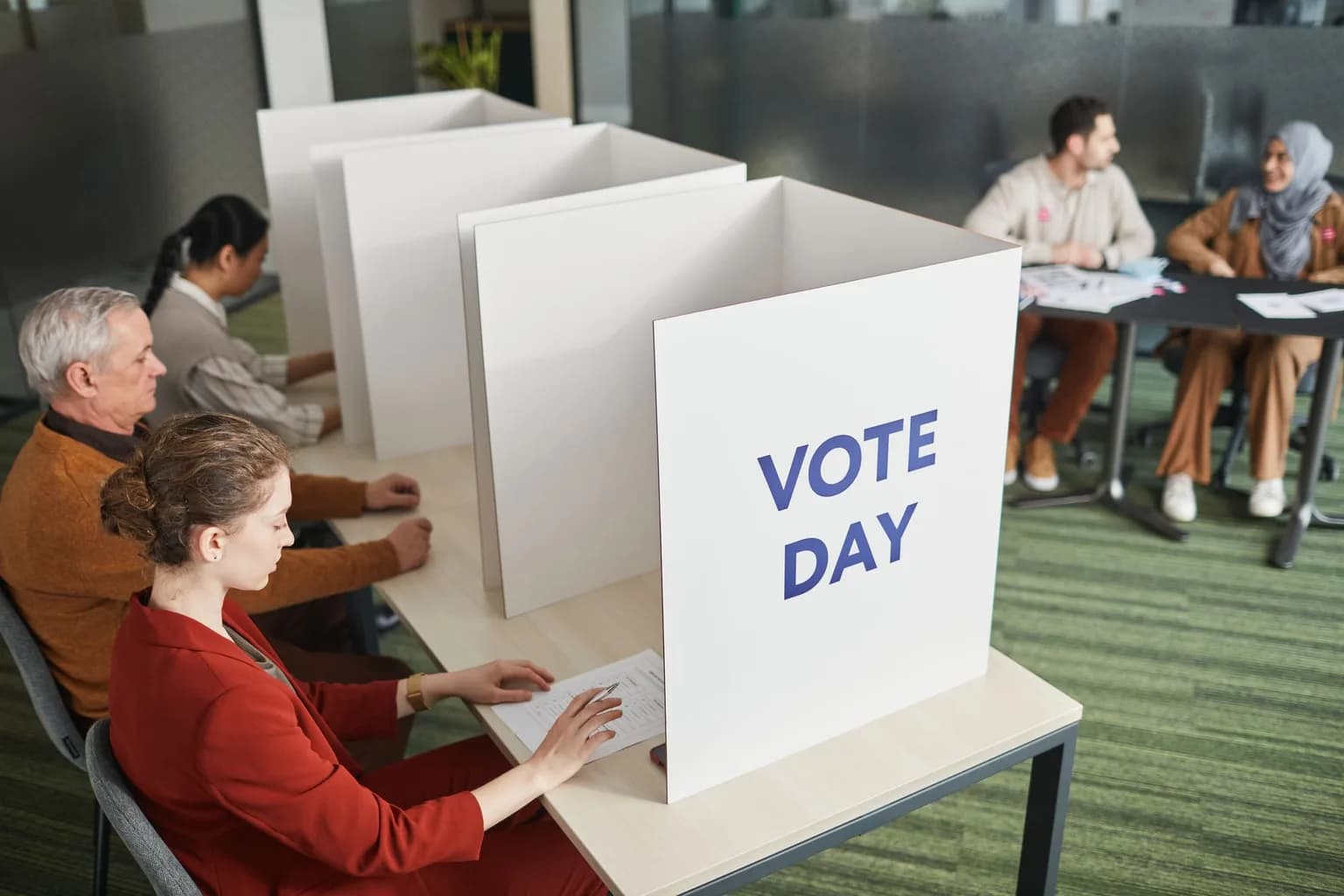
On 3 November 2026, voters used ballot measures to set state rules affecting abortion access, transgender rights, voting, taxes, firearms and electoral maps.
The measures appeared alongside the midterm elections, with residents in 39 states and territories voting on 145 statewide questions.
Abortion-rights advocates prevailed in several states. Missouri voters defeated a proposed constitutional amendment that would have restored restrictions on most abortions. Nevada voters again backed constitutional protection for abortion up to the point of viability, in the second election in a row.
Virginia voters created a “fundamental right to reproductive freedom” in the state constitution. It covers abortion in the first two trimesters and in certain later cases, as well as contraception, fertility, postpartum care and more.
Idaho voters, however, chose to preserve the state’s abortion ban from 2022.
Voters also pushed back on US President Donald Trump’s redistricting efforts. Missouri rejected a congressional map favourable to Republicans, while Maryland approved a redistricting amendment that could clear the way for a map leaning towards Democrats in 2028.
On transgender rights, Colorado passed measures restricting transgender children’s access to school sports teams and gender-affirming care. Arizona approved a proposal requiring schools and athletic associations to limit students, athletes and employees to restrooms, locker rooms and other private facilities designated for their sex assigned at birth.
Virginia voters also repealed the state’s ban on gay marriage through a constitutional amendment. The amendment says the commonwealth will recognise marriages between two adults regardless of sex, gender or race.
Nevada, North Carolina and Ohio passed tighter voter identification requirements, while California rejected a similar effort. Alaska, Arkansas, Kansas, South Dakota and West Virginia approved measures reinforcing that US citizenship is required to vote in their elections.
Tax questions produced another varied set of results. Californians voted on whether to impose a one-time 5% wealth tax on billionaires. Florida voters overwhelmingly approved an amendment cutting property taxes for homeowners. North Carolina approved a 3.5% cap on its maximum personal income tax, and Tennessee approved a constitutional ban on statewide property tax, which the state has not collected since 1949.
Massachusetts voters kept a 2024 firearm law that requires serial numbers for “ghost guns”, broadens the definition of an “assault-style firearm” and expands red flag laws.
At least 38 jurisdictions voted on restrictions for data centres. Jurisdictions in California, Florida, Illinois, Kansas, Maine, Nevada, New Jersey, North Dakota, Ohio and Wisconsin voted to restrict them.
Virginia also approved automatic restoration of voting rights for people convicted of a felony once they have completed their sentence. Vermont added an equal-protection amendment to its constitution covering race, ethnicity, sex, religion, disability, sexual orientation, gender identity, gender expression and national origin.


Comments (0)