


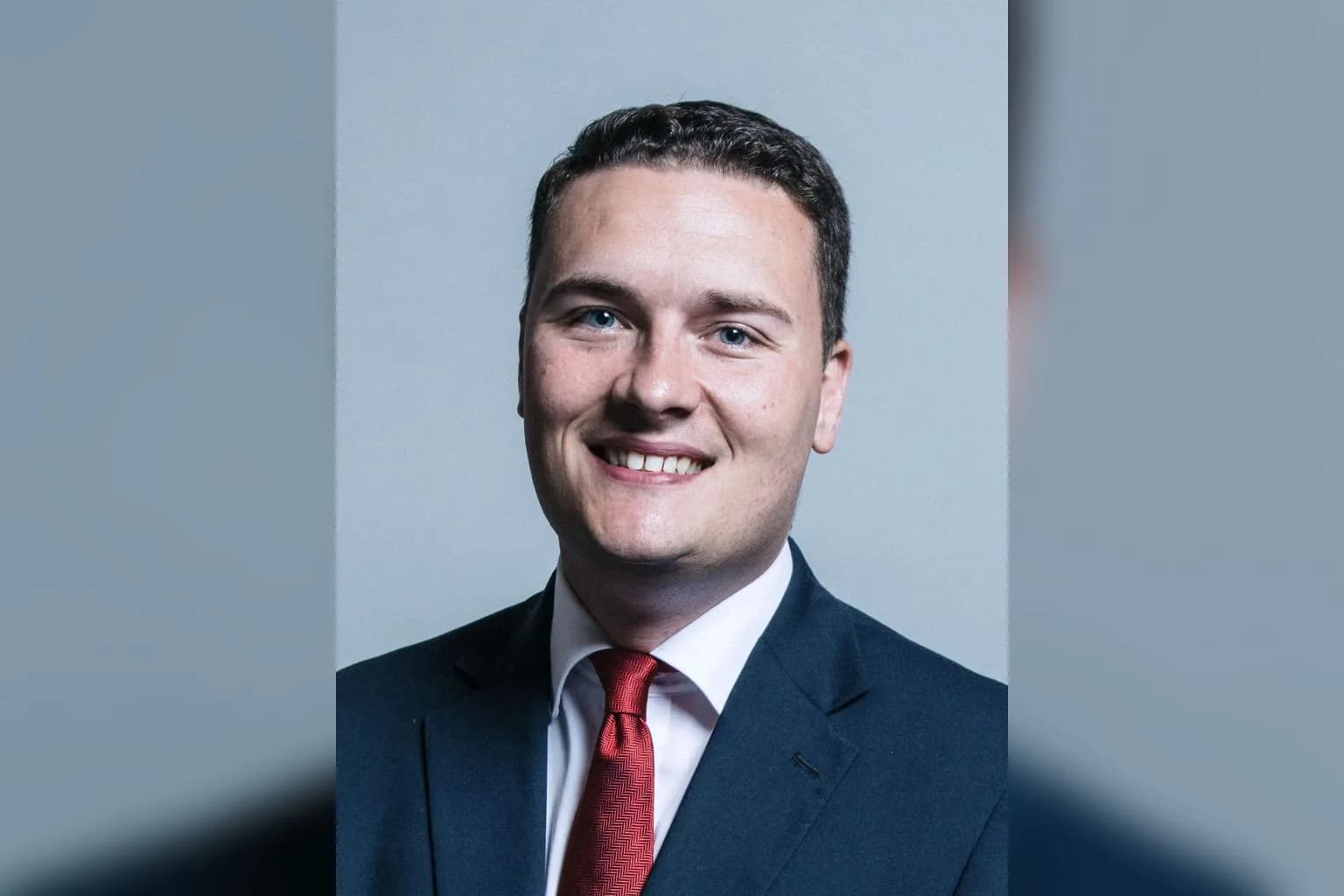
In a POLITICO pub in Liverpool, Emma Reynolds set out the Treasury’s answer to a looming defence bill: find more savings across Whitehall and move the money into the military. The Chief Secretary to the Treasury was speaking with less than a week to go before the budget.
Departments have been told to find savings to help pay for a £10bn increase in defence spending, as the government pursues its pledge to spend 3 per cent of GDP on defence by 2030 under its NATO commitment.
Reynolds, 48, is a mother of two who has been an MP since 2010 and has represented Wycombe since 2024. After losing her seat in 2019, she worked as managing director of TheCityUK, a financial trade body, before returning to Westminster at the 2024 general election.
Her case is that better-run services can release money without diminishing what the public receives. “If we can deliver more efficient public services in a way that doesn't lead to worse outcomes, that allows us to reallocate that money to defence,” Reynolds said.
Treasury figures published on Wednesday said departments had delivered more than £7.2bn in cash savings over the past year. The wider account of those savings put the total at £7.2bn to £9.1bn, largely through lower Whitehall workforce costs, reduced external contracts and redesigned services.
Digital transformation has produced just 4 per cent of the savings so far. Reynolds pointed to the NHS, HM Revenue and Customs and the Ministry of Justice as early users of digital transformation that could yield further savings.
Last year’s spending review required every department to save 2 per cent of day-to-day government spending, a target all departments met. The next round therefore comes as public services remain under pressure.
Reynolds said ministers were “not powerless” in confronting financial insecurity, citing “the ongoing war, particularly in the Middle East, but also in Ukraine”.
The defence demands extend beyond the £10bn increase. Luke Pollard, the minister for defence readiness and industry, said the Ministry of Defence had to find £10.7bn across a four-year period.
John Healey, the Chancellor of the Exchequer, faces a £35bn shortfall in his maiden Budget because of rising inflation, the Institute for Fiscal Studies warned. He must also find £4.7bn within the Budget to close a gap in Labour’s defence plan.
Healey had previously quit as Sir Keir Starmer’s Defence Secretary in protest at military underfunding before becoming Chancellor. He has delayed setting out how he will meet the NATO target of spending 3.5 per cent of GDP on defence until next autumn.
The government is preparing its October budget with defence commitments, strained public services and the prospect of another search for savings all in view. Whether departments can find further efficiencies without worsening outcomes remains unresolved.



Comments (0)