

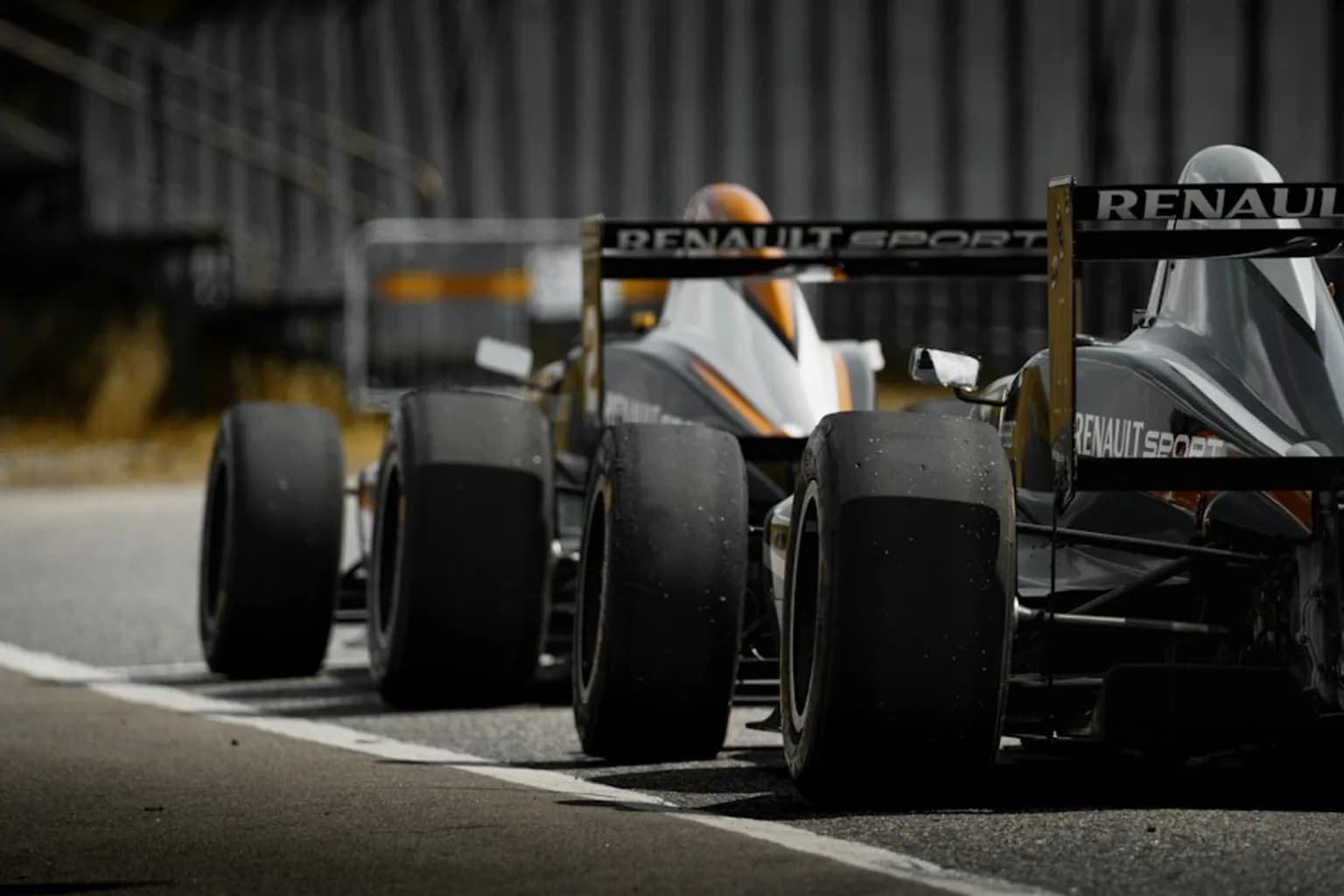
Lewis Hamilton, the 41-year-old Ferrari driver and seven-time world champion, was in Baku ahead of the Azerbaijan Grand Prix when he set out his objection to shorter races. “This is supposed to be the sport that's the most physically demanding - mentally and physically,” he said.
The FIA has nevertheless cut Formula 1’s maximum grand prix distance by 15km, from 305km to 290km, for the 2027 season. The change is expected to take two or three laps from most Grands Prix, depending on the length of the circuit.
The reduction is temporary. The FIA’s published 2027 rules include a provision for 2028 that removes it and restores the 305km maximum distance.
The issue began with the new hybrid power units introduced this year, using a near 50-50 balance between internal-combustion and electrical power. That balance will shift from 53-47 this year to 58-42 in 2027, then to 60-40 in 2028. The revised split will increase fuel consumption per lap.
Some teams had hoped to carry their chassis into 2027 to save money. Yet the fuel tank sits within the chassis, leaving its size fixed. With the higher fuel demand, those teams might not have been able to finish a grand prix using their existing tanks.
The FIA’s answer was a shorter race. The 290-kilometre distance will apply at every track in 2027 except Monaco, which will remain at 260 kilometers. The decision affects only a handful of races where fuel consumption is heaviest.
The Formula 1 Commission, which includes the teams, the FIA and commercial rights holder F1, agreed to the 290km limit for 2027. All 11 Formula 1 teams backed the temporary reduction.
For 2028, Article B2.5.2 of the proposed Sporting Regulations says a Grand Prix must run for the smallest number of complete laps that exceeds 305km.
The new rules also retain a maximum of two hours of racing. From next year, a race-specific “hard stop time” will replace the current maximum three-hour period for completing an event. That final time will vary with local conditions, with night races given greater scope to run later than daytime events.
Hamilton has questioned whether reducing Grand Prix distances fits a sport he believes has become physically easier. “The races should be longer because the races are physically easier than ever before. So shortening, I don't think, makes much sense,” he said.
The hybrid engines have also been criticised on the grounds that they reduce the role of driver skill. George Russell, Hamilton’s former Mercedes team-mate, took a lighter view of the shorter races. “Slightly earlier bath on Sunday afternoon, I guess,” he said, while adding that races such as Singapore can feel too long and others, including Monza, can feel short.



Comments (0)