

Mohammed Ben Sulayem announced Formula One’s planned return to V8 engines in Kigali, where he appeared alongside Rwandan president Paul Kagame and F1 chief executive Stefano Domenicali at an event unveiling the new African Grand Prix. The FIA president said the new cars would be approximately 80 kilograms lighter and that engine costs would fall by at least 50 percent.
Ben Sulayem later put a date on the plan. “The launch of the new V8 will be in 2030,” he said, adding: “I have the support from FOM. I have the support from the manufacturers.”
The FIA has sent six Formula One manufacturers a document setting out a framework for talks on an engine to arrive in either 2030 or 2031. Its proposal would replace the current power units with simpler, cheaper V8 turbo hybrids.
The push comes after a fierce reaction from drivers to the current hybrid formula. Fernando Alonso called F1 the “battery world championship” and said fast corners had become “the charging station for the car”.
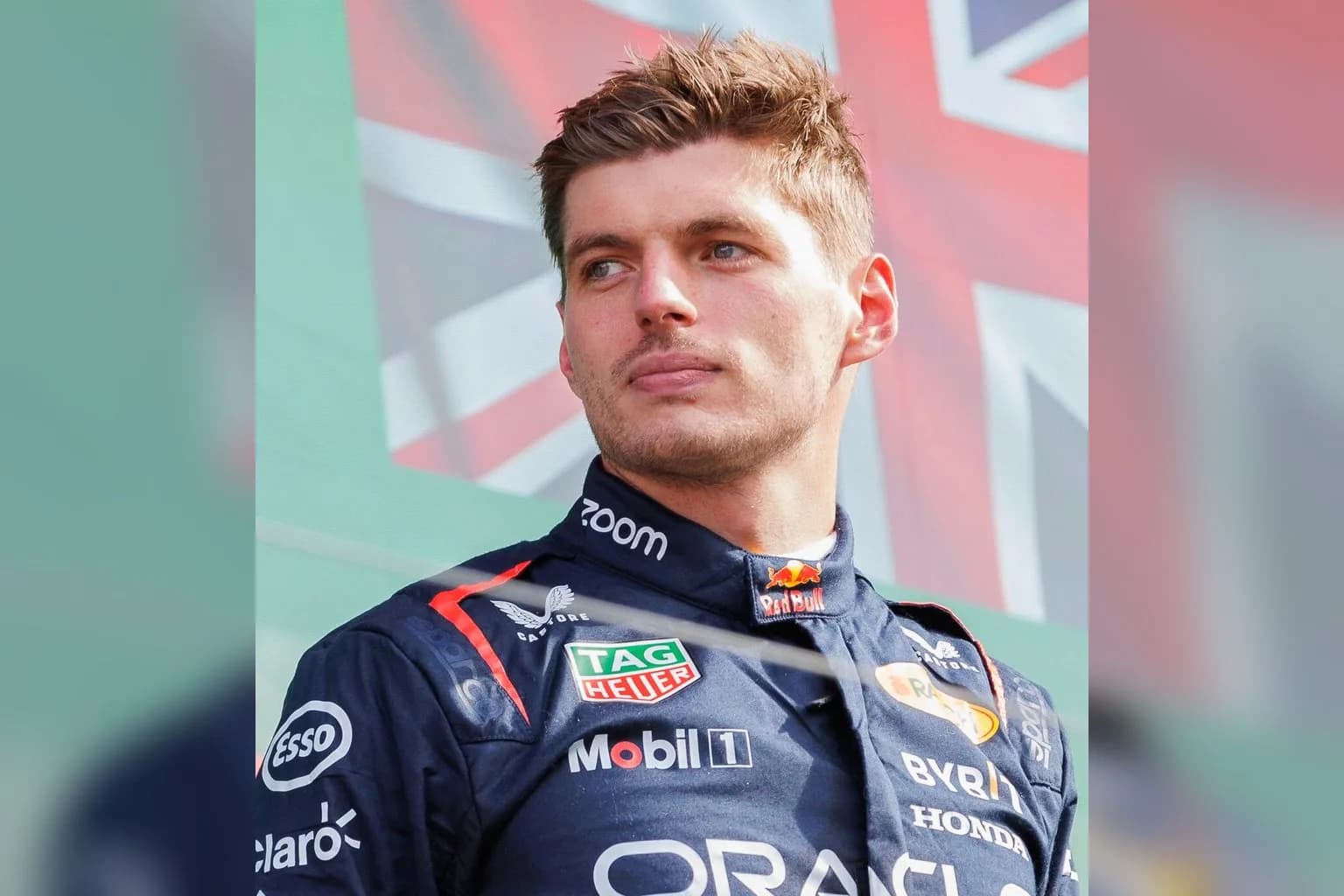
Max Verstappen called the new rules “Formula E on steroids” and anti-racing after trying the new power unit in a simulator, warning that the sport was on the wrong path.
Drivers including Alonso, Verstappen and Lando Norris had criticised the charging and energy-harvesting demands of the 2026 power units as the electric system came to dominate racing.
Turbo-hybrid engines have been used in Formula One since 2014. The last V8 period ran from 2006 to 2013, with the V8 era ending in 2013.
The FIA had initially considered a return to naturally aspirated engines, then moved instead towards a turbocharged V8. The proposed engine would have a capacity of between 2-2.3-litres, a smaller turbo operating at lower boost pressure, and a less powerful hybrid system.
Its electrical motor would have a recovery capacity of 200kW, down from the present 350kW. Of the electrical power, 100kW (134bhp) would be available all the time, while another 100kW would be reserved for a push-to-pass or overtaking mode.
Total output would be in the region of 900bhp. The FIA wants to remove 80kg from the overall weight of the cars and halve the engine budget cap from its current $190m (£143m) a year.
The present 1.6-litre V6 turbo engines divide power 53-47 between the internal-combustion engine and electrical components. That balance is due to move to 60-40 in two stages by 2028.
The FIA says its proposed rules are intended to produce lighter, more responsive cars, put greater weight on driver skill, retain relevant technology, cut costs, make entry easier for new manufacturers and continue Formula One’s commitment to reducing emissions.
Nikolas Tombazis, the FIA’s single-seater director, said the governing body recognised the flaws when simulation work arrived in 2022. By then, development was too advanced and some manufacturers had committed too many resources for the rules to be radically reworked.
The architecture outlined in the new proposal is basically acceptable to all the manufacturers, according to the FIA. They are aligned on designing and building their own power units, and on retaining engines as a performance differentiator.
Mercedes, Ferrari, Audi, Honda and Red Bull currently supply engines to Formula One teams. Cadillac plans to build an engine to the new rules.
Ben Sulayem had said in May that V8s could arrive in 2030 or 2031. During the Le Mans weekend in June, he said 2031 was planned while the FIA was pressing for 2030.
Mattia Binotto, Audi’s power-unit official, said at an FIA press conference in Baku: “We know it’s a V8 for certain, 2030 the earliest introduction”.
Binotto said the regulation “needs to be agreed and voted before the end of the year” so design and concept work can begin by 2027.
The existing agreements tying together the FIA, teams and Formula One’s commercial rights holder run only until 2030. The aim is for the talks to produce a proposal for the FIA World Council in December.
For the FIA, the task is now to turn broad support for the architecture into a final agreement, while giving manufacturers room to keep the power unit central to competition.



Comments (0)