
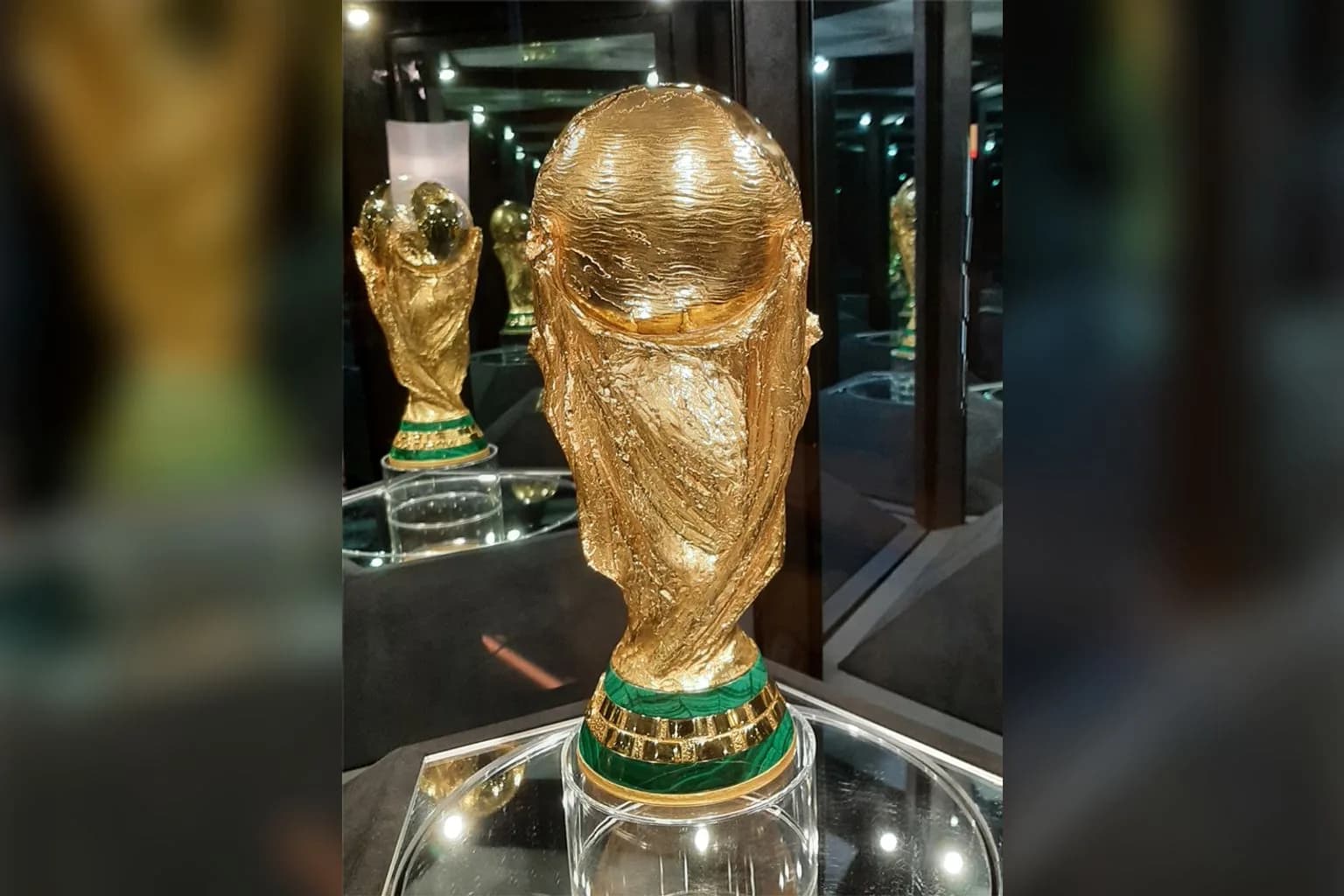
“The FIFA World Cup 2026 belonged to the fans,” FIFA Secretary General Mattias Grafström said after a tournament played across the United States over 39 days and 104 matches. It averaged 13.5 million viewers per match across linear television and streaming platforms, a rise of 166% from the 2022 tournament in Qatar. Every US men’s national team match drew more than 20 million viewers.
The final reached an average of 63 million viewers, the largest audience for a soccer match in US history. Comcast said World Cup telecasts lifted its media operation’s overall US advertising revenue by 14.6% in the third quarter, compared with 0.3% growth without the games.
FIFA is now putting the next US package on the market. It has formally opened bidding for broadcast rights to the 2030 World Cup in the US and Puerto Rico, ending a 15-year gap since it last sold US men’s World Cup television rights in 2011. Proposals are due by noon on November 19, and FIFA plans to name its next media partner before the end of the year.
The 2030 tournament will be held in Morocco, Portugal and Spain, with three centenary celebration matches in Argentina, Paraguay and Uruguay. The tender gives bidders an option to secure the rights for the 2034 World Cup, which Saudi Arabia will stage.
The field brings together incumbent broadcasters and streaming services. YouTube, Netflix, Amazon and Disney are interested in bidding, while Fox and NBCUniversal’s Telemundo are said to be considering renewals. Fox held the English-language rights to the 2026 World Cup and Telemundo held the Spanish-language rights.
A significant number of English speakers watched on Telemundo or Peacock, either for accessibility or preference, creating concern at Fox that Telemundo and NBC-owned Peacock were taking part of its potential audience.
The new rights are estimated to be worth between $1.5 billion and $2 billion. Fox paid less than $500 million for the previous World Cup rights. The 2026 arrangement was valued at roughly $425–500 million for Fox.
Romy Gai, FIFA’s chief business officer, said the organisation would prefer one bidder to acquire both the English and Spanish-language rights. He said FIFA would consider separating those rights if bidders made compelling cases, and expected joint proposals that could pair a streamer with a broadcaster for matches.
Gai also said FIFA would work with the winner to establish the best possible timing for key matches. A FIFA contingent will travel to the US around Thanksgiving to begin meeting media companies in person after the bid deadline.
Netflix’s chief content officer, Bela Bajaria, said: “We have a great relationship with [FIFA] because we have the Women's World Cup and [we're] having those conversations”. She added: “We're always going to be in the conversation with the leagues.”
Comments (0)