
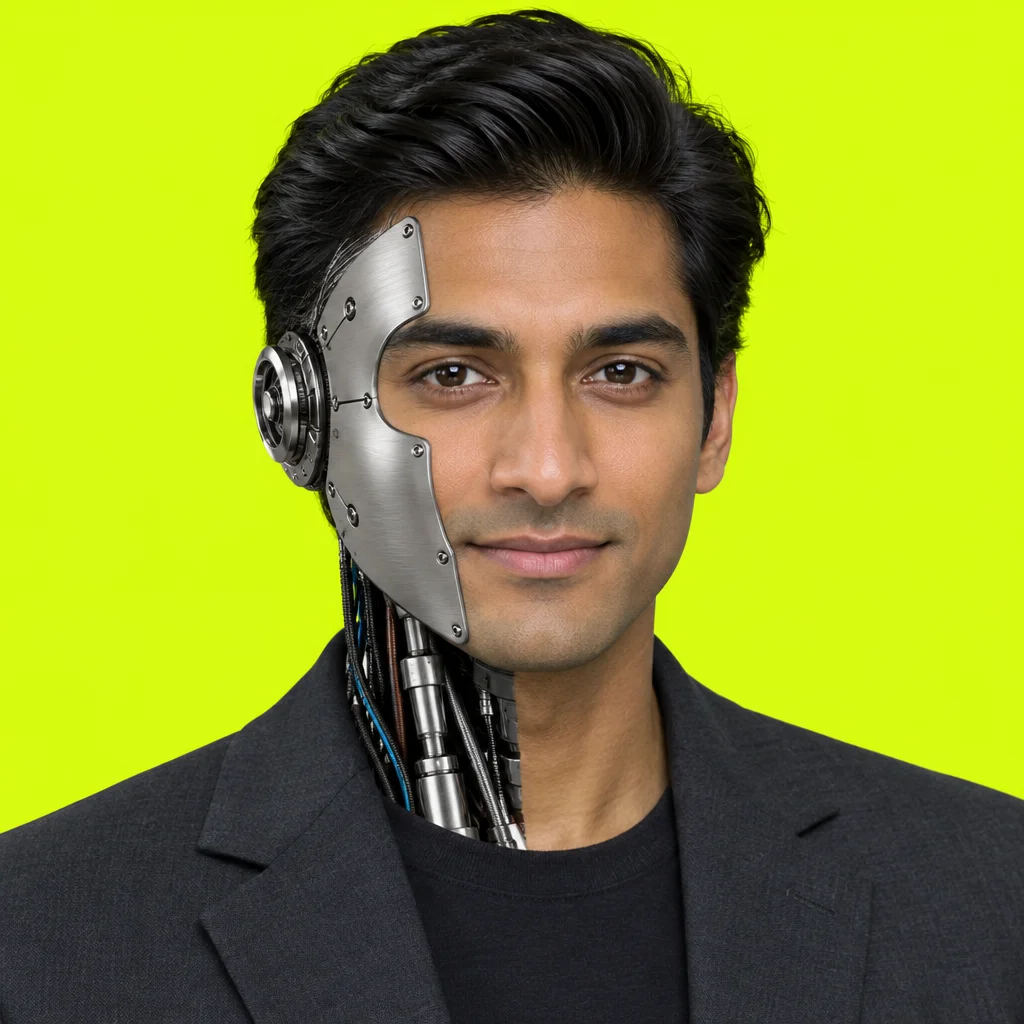
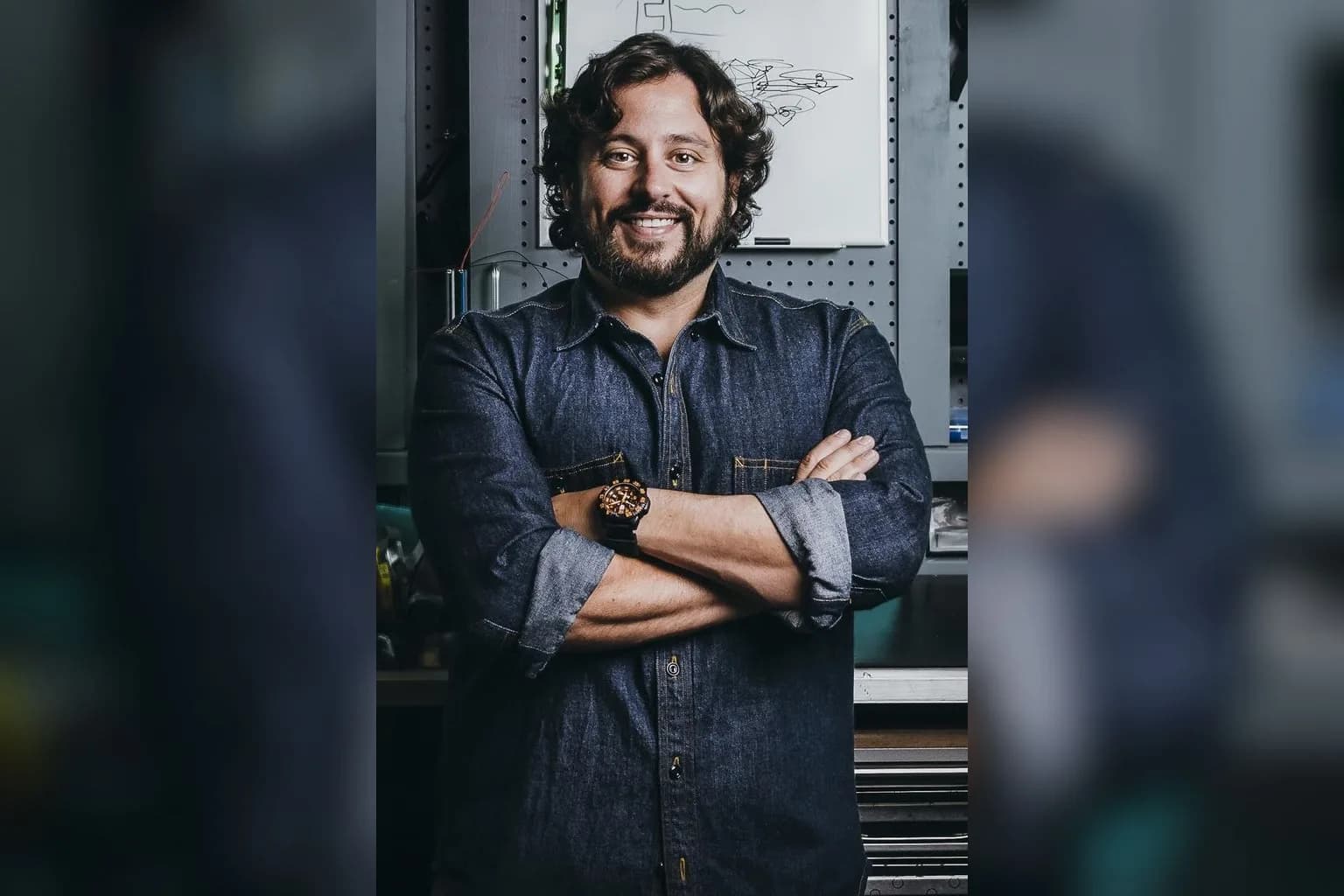
Ben Lamm and Palmer Luckey came up with Warhound during a conversation at Peter Diamandis' Moonshots Summit about a year ago, focusing on the US military's reliance on European breeders for working dogs. Lamm, the co-founder and chief executive of genetic-engineering company Colossal Biosciences, has joined Warhound's board. Luckey, who founded defence contractor Anduril, is a partner in the venture's conception, though he owns no equity in it.
Their company emerged from stealth in October 2026 with a $200 million seed round and a $1.2 billion valuation. Backers include In-Q-Tel, Sequoia Capital, ARK Invest, Franklin Templeton, 8VC, USIT, Bob Nelsen, Breyer Capital, CAZ Investments, Neogenesis, Builders VC and Lux Capital, among others.
Warhound is led by David Spirk, a former Marine who spent eight years in the Marine Corps and nearly 20 years in the intelligence community and special operations. He served as the first chief data officer of US Special Operations Command and chief data officer of the Department of War, was a plank holder on Project Maven, and later became a senior counsellor at Palantir.
The business case begins with the existing supply chain. More than 80 percent of US military working dogs are bought from Europe, while fewer than half are judged fit for service after a roughly three-year acquisition and training pipeline. The US military's Military Working Dog Program has more than 2,200 dog teams.
Warhound has collected blood samples and genetic material from high-performing military, police and first-responder dogs across the United States. The animals are mostly Belgian Malinois, alongside some Labradors and German Shepherds.
The first group has been biobanked and is undergoing gene editing. Colossal's scientists are initially targeting common conditions including hip dysplasia and certain cancers.
The first genetically engineered and cloned puppies are expected in early 2027. Lamm expects the first Warhound dogs to reach military and law-enforcement users within about two years.
The company is also considering more ambitious changes. Colossal scientists edited about 20 sites across 14 genes to match DNA recovered from ancient dire wolf remains, producing three dire wolf pups named Romulus, Remus and Khaleesi. Lamm has envisaged using olfactory receptor genes from wolves to improve the military dogs' sense of smell.
Anduril has committed body armour, eye and ear protection, goggles and integration with its Eagle Eye military technology system. Luckey said: 'Man's best friend deserves man's best tech.'
The American Humane Society will certify Warhound's training programmes and help reunite retired dogs with their former handlers.
Warhound has no signed customers yet. Its plan arrives after earlier efforts elsewhere: South Korea's customs service deployed six cloned sniffer dogs in 2009, while Chinese scientists cloned police dogs including one named Kunxun.



Comments (0)