
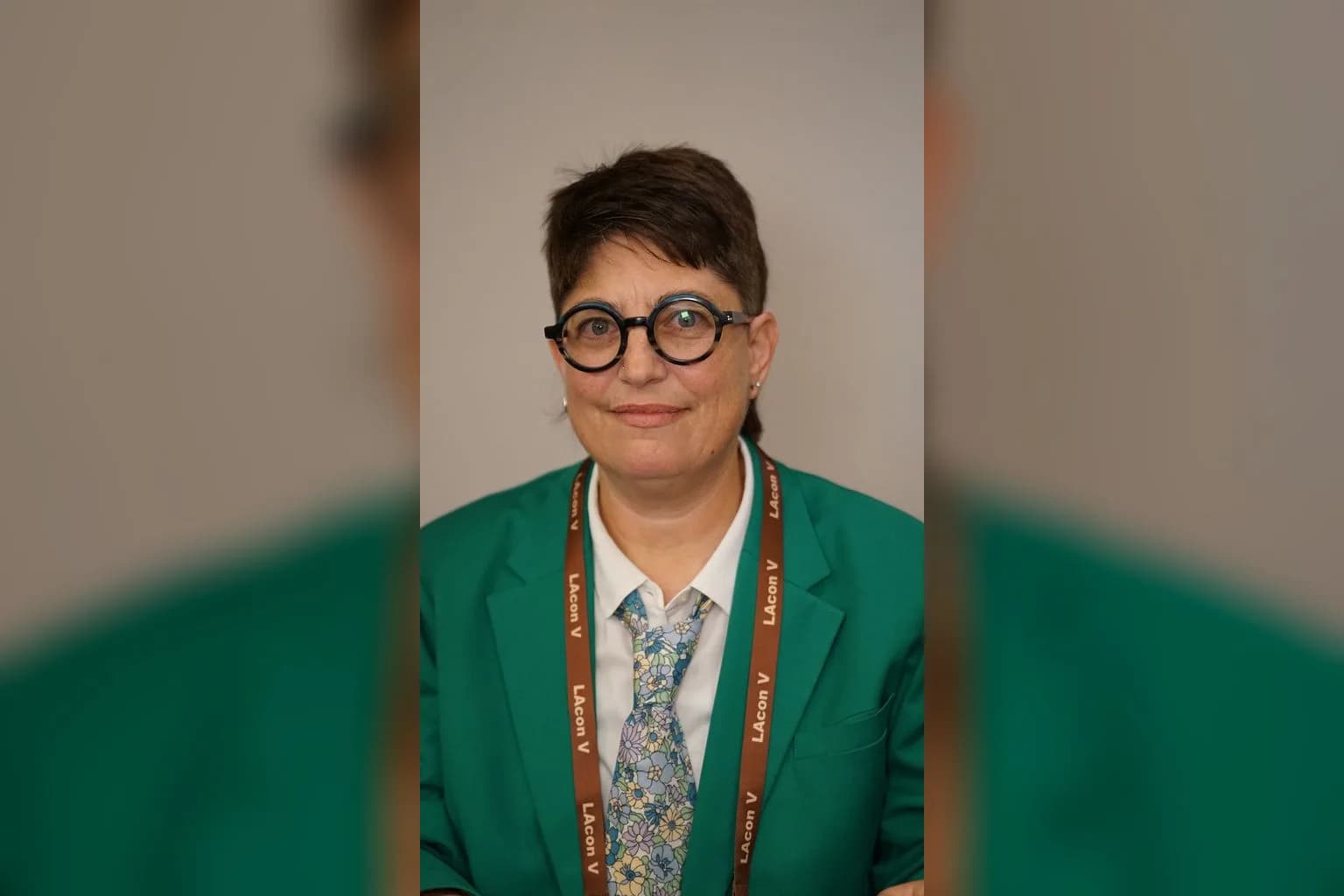
Annalee Newitz, a New Scientist columnist and science journalist, argues that the West’s fear of artificial intelligence is shaped by culture, religion and science fiction more than by the technology itself.
For Newitz, the argument is ultimately about the people imagining the machine. They say the ethical problems projected onto AI are deep-seated human problems, and that society would treat any eventual Artificial General Intelligence as poorly as it treats other humans unless it first changes its own behaviour.
The language of AI has also become a political subject. President Donald Trump issued an executive order stating that AI would no longer be known as “artificial” and would instead be called “super”.
In a Truth Social post, Trump said his administration regarded anyone using “artificial intelligence” instead of “super intelligence” as “THE ENEMY”.
The idea of “super intelligence” was popularised by philosopher Nick Bostrom in a book that imagined SI evolving alongside a class of humans much smarter than their peers. Those people would rule over their inferiors while SI ruled over everyone.
Newitz’s own fiction takes a less abstract route into these questions. Their latest sci-fi novella, Automatic Noodle, explores a near-future, climate-ravaged San Francisco, where a plucky, rag-tag group of sentient robots tries to find community and fit into society by opening a restaurant.





Comments (0)